
Why Finding the Right Kitchen Cabinet Painter in My Area Makes All the Difference
Finding a reliable kitchen cabinet painter in my area is one of the most common — and most frustrating — home improvement searches for Rhode Island and southeastern Massachusetts homeowners.
Here’s a quick answer if you’re in a hurry:
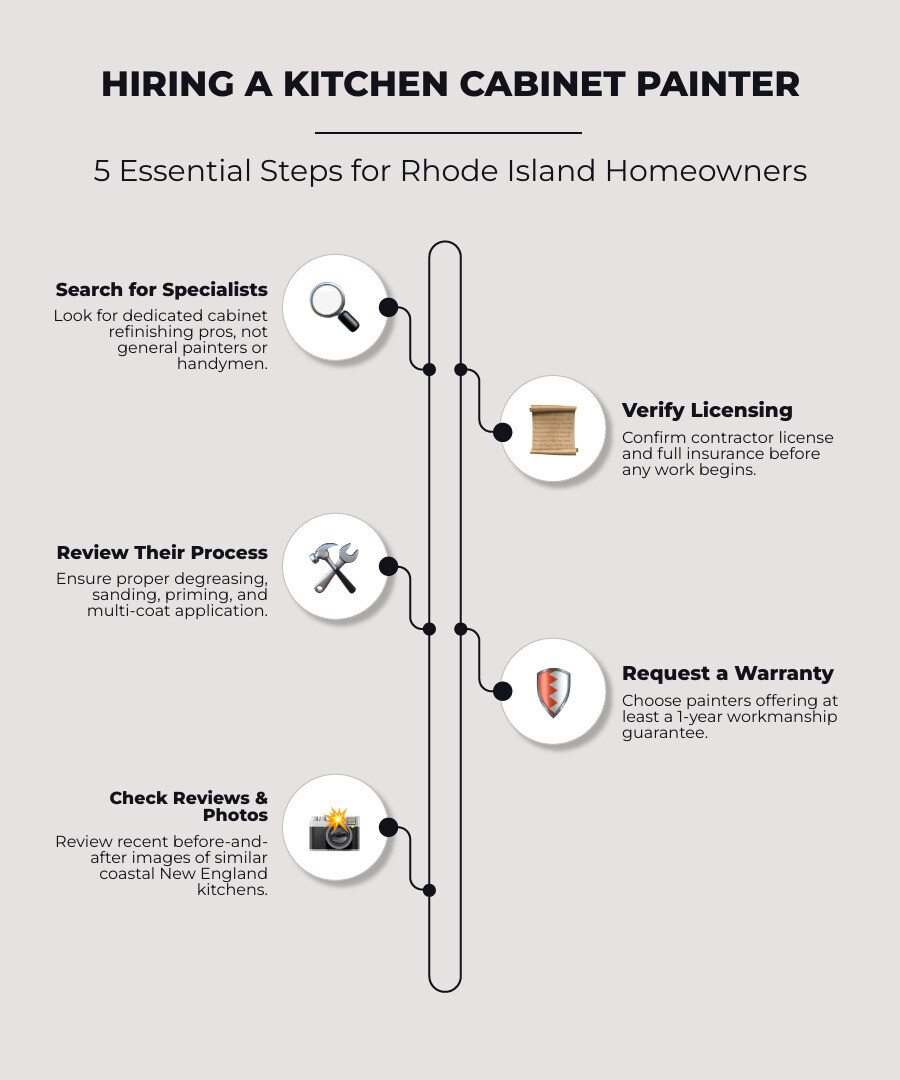
How to find the best kitchen cabinet painter near you:
- Search for specialists — not general painters or handymen. Cabinet refinishing requires different skills, tools, and materials than wall painting.
- Verify licensing and insurance — in many states, any painting job over a certain dollar amount requires a contractor’s license.
- Ask about their process — proper prep (degreasing, sanding, priming) separates a finish that lasts from one that peels within months.
- Request a warranty — reputable cabinet painters typically offer at least a 1-year workmanship guarantee.
- Check reviews and completed projects — look for before-and-after photos of kitchens similar to yours.
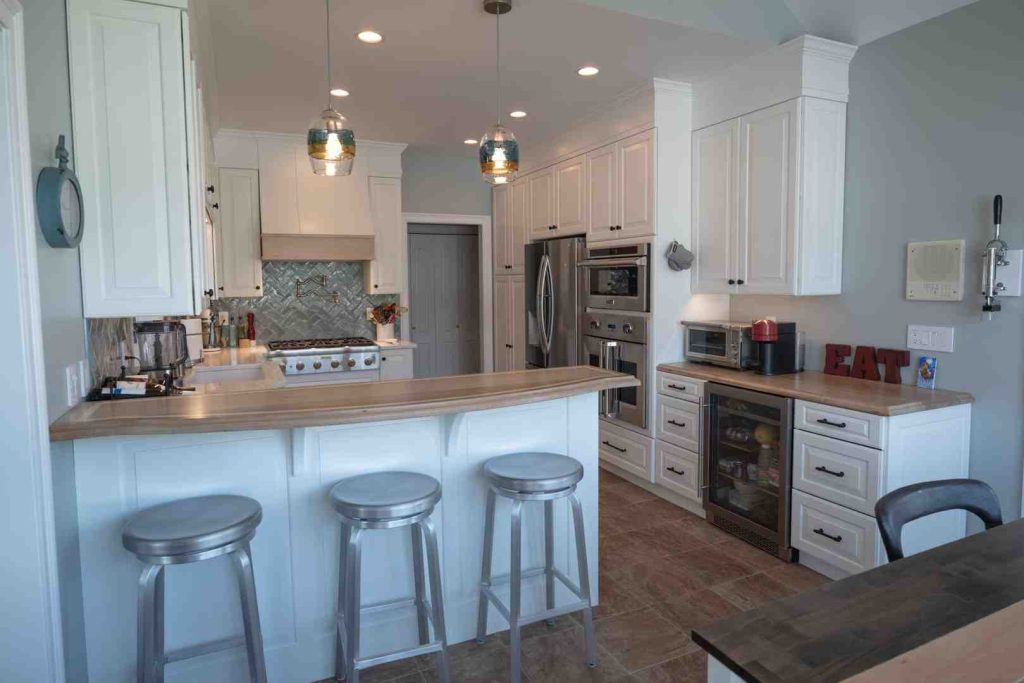
Most homeowners assume cabinet replacement is the only path when their kitchen looks dated. It rarely is. If your cabinet boxes are structurally solid, professional refinishing can deliver a factory-fresh result — without the disruption or cost of a full remodel.
That said, not every painter is qualified to do this work. Cabinetry is the most-used surface in your home. It takes daily abuse from heat, steam, grease, and friction. A standard wall paint job won’t survive that environment. The difference between a finish that looks great at year five versus one that’s already chipping at month three comes down almost entirely to who does the work and how.
This is especially true in coastal New England, where salt air, humidity, and dramatic seasonal temperature swings put extra stress on any painted surface — including your cabinets.
I’m Douglas Smyth, founder of Smyth Painting Co., and I’ve been helping Rhode Island homeowners navigate exactly this challenge since 2005 — including advising them on when and how to hire a kitchen cabinet painter in my area versus tackling other renovation paths. In the sections below, I’ll walk you through everything you need to know to make a confident, informed decision.
Easy kitchen cabinet painter in my area glossary:
- best way to refinish cabinets
- best way to refinish kitchen cabinets without stripping
- kitchen cabinet stripping and refinishing
How to Choose a Professional Kitchen Cabinet Painter in My Area
Selecting a qualified professional in Southern New England means looking beyond standard house painters. True cabinet refinishing is more akin to fine furniture making than standard house painting. When searching for the right team, prioritizing local specialists who understand our unique regional architecture is essential.
Whether you are restoring a historic home in Newport or updating a coastal property in Little Compton, verifying credentials is your first line of defense. In Rhode Island, contractors must be registered with the Contractors’ Registration and Licensing Board (CRLB). Always verify that any company you consider carries active liability insurance and workers’ compensation. This protects your property and ensures the team working in your home is fully covered. For a comprehensive look at what to expect from a professional service, explore our dedicated Cabinet Refinishing Services page.
Why You Need a Specialized Kitchen Cabinet Painter in My Area
Standard wall paint is formulated to flex and breathe on drywall, but it lacks the hardness required to withstand the constant physical contact, grease, and cleaning agents that hit kitchen cabinets. If a painter suggests using standard latex wall paint or basic trim paint on your cabinetry, it is a major red flag.
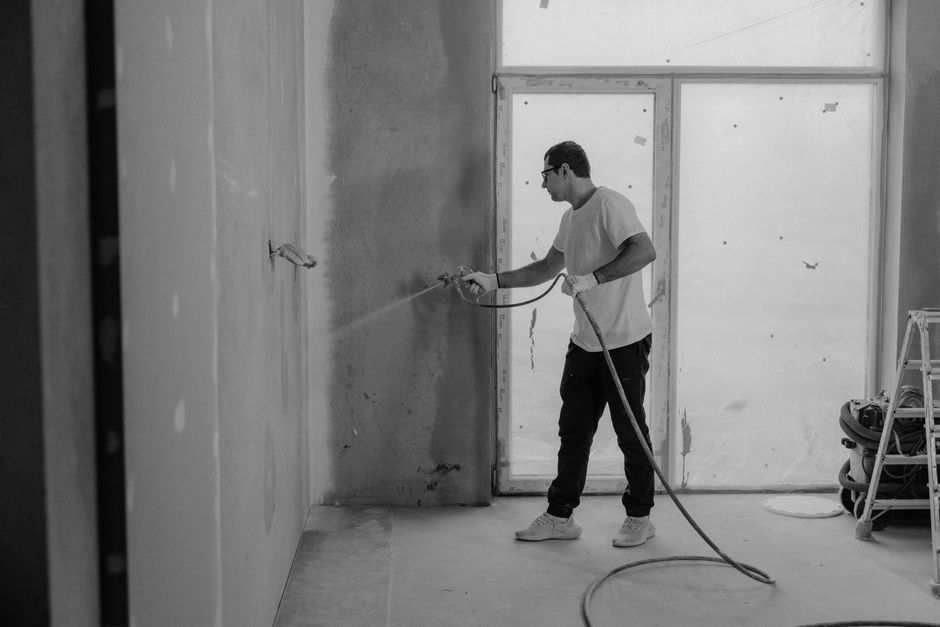
True specialists utilize High-Volume Low-Pressure (HVLP) spray systems to apply commercial-grade finishes. This specialized equipment atomizes the coating to produce a perfectly smooth, factory-like finish without brush marks or roller stipple. Achieving this level of quality requires a controlled environment and seasoned expertise. For real-world discussions and local insights on finding qualified craftsmen, you can check out community resources like the discussion on Who can do kitchen cabinets in Rhode Island? – Facebook .
By focusing on a dedicated Cabinet Refinishing Painting approach, specialists treat your cabinets as fine furniture rather than structural wood, ensuring the final product looks flawless and stands up to heavy daily use.
Addressing Coastal Humidity and Salt Air Challenges
In coastal areas like Middletown, Jamestown, and Narragansett, our homes face environmental challenges that inland properties escape. High humidity during New England summers causes natural wood cabinets to expand, while dry winter heating causes them to contract. This constant movement can cause cheap or improperly applied finishes to crack at the wood joints.
Furthermore, airborne salt air along the coast can degrade standard coatings. To combat these conditions, we emphasize:
- Thorough Degreasing: Removing every trace of cooking oils and coastal moisture film so the primer can bond directly to the wood substrate.
- Specialized Bonding Primers: Utilizing high-adhesion primers specifically formulated to seal wood pores and block tannin bleed-through, which is common in older New England oak and pine.
- Moisture-Resistant Polyurethane Coatings: Applying advanced water-based polyurethane or Italian 2K coatings that cure to an incredibly hard, moisture-resistant barrier. This prevents humidity from penetrating the wood and causing premature peeling.
Key Questions to Ask a Kitchen Cabinet Painter in My Area
Before signing any contract, ask targeted questions to ensure you are dealing with a premier service provider.
- “What is your dust containment process?” Reputable painters utilize dustless sanding equipment connected to HEPA vacuums to keep your home clean and breathable.
- “Do you spray on-site or in a shop?” Typically, cabinet doors and drawer fronts should be removed and sprayed in a controlled shop environment, while the cabinet frames (boxes) are carefully masked and sprayed on-site.
- “What kind of warranty do you offer?” Look for a clear, written warranty on workmanship. A reliable local specialist should stand behind their finishes. For example, when looking at local standards, you can compare how regional professionals detail their services, such as the approach outlined by Cabinet Painting – Portsmouth Painting Company .
- “Are your coatings eco-friendly?” Ask for low-VOC, water-based finishes that protect your indoor air quality while delivering maximum durability. For community-based discussions on home services in our coastal towns, local forums like the thread on Garage painting in Little Compton, RI – Facebook highlight the value of hiring detail-oriented, community-trusted professionals.
Evaluating Cabinet Refinishing Methods for New England Homes
When updating your kitchen, you must decide which application method fits your home’s style and structural needs. For historic properties in Bristol, Warren, or East Greenwich, preserving the original wood character while upgrading the durability is often the primary goal. You can learn more about preserving your cabinetry’s integrity in our guide on a Quick Cabinet Refresh: How to Refinish Kitchen Cabinets Without Stripping.
Comparing Professional Spray Refinishing vs. Brush and Roller Painting
While DIY tutorials often make brush-and-roller cabinet painting look simple, the physical results tell a different story. Below is a comparison of the primary methods used to paint kitchen cabinetry:
| Feature | Shop-Sprayed HVLP (Professional) | On-Site Hand Brushing | DIY Brush & Roller |
|---|---|---|---|
| Finish Quality | Factory-smooth; zero texture or brush lines | Visible brush marks; classic hand-painted look | Heavy stipple, brush marks, and potential drips |
| Durability | High; industrial-grade chemical-cure coatings | Moderate; standard trim enamels | Low; prone to chipping and peeling |
| Project Duration | 4 to 5 days with minimal home disruption | 7 to 10 days of on-site labor | Several weeks of tedious DIY effort |
| Dust & Mess | Negligible; doors prepped and sprayed off-site | Moderate; hand-sanding inside the home | High; potential for airborne dust and overspray |
The Professional Refinishing Process: What to Expect
At Smyth Painting Co., we follow a rigorous, multi-step restoration process designed to deliver a flawless finish that lasts for years. This systematic approach ensures your kitchen remains functional and clean throughout the project.
- Preparation and Masking: We carefully mask off your countertops, floors, appliances, and kitchen openings to create a sealed workspace. Doors and drawer fronts are labeled systematically and transported to our shop.
- Degreasing and Cleaning: We scrub all surfaces with specialized cleaners to remove grease, wax, and household oils.
- Dustless Sanding: Using advanced dustless sanding systems, we abrade the surface to create a perfect profile for primer adhesion.
- Grain Filling (Optional): For heavy-grained woods like oak, we can apply specialized grain fillers to achieve a smoother, modern aesthetic.
- Priming: We apply a high-performance bonding primer engineered to prevent tannin bleed and ensure maximum adhesion.
- Precision Spraying: We apply multiple coats of premium, cabinet-grade polyurethane finishes in our controlled spray environment.
- Reassembly and Walkthrough: Once cured, we reinstall your doors and drawers, install new hardware if requested, and perform a final inspection to guarantee perfect alignment and a beautiful finish.
For more detailed guides on how we transform kitchens across Rhode Island and Massachusetts, explore our full library of resources:
- Learn about our complete Cabinet Refinishing services.
- Read about stripping-free options in Cabinet Makeover Magic: Refinishing Without the Messy Strip.
- Find out what to look for in a regional specialist with our guide on Local Cabinet Stripping: What to Look for in a Service Provider.
- Get the complete overview of kitchen transformations in Give Your Kitchen a Facelift: The Ultimate Guide to Cabinet Stripping and Refinishing.
- Step through the entire journey with Cabinet Makeover Magic: A Step-by-Step Refinishing Guide.
By choosing a dedicated local specialist, you ensure your kitchen cabinets receive the precision, high-end materials, and care required to withstand the coastal New England climate beautifully.


