
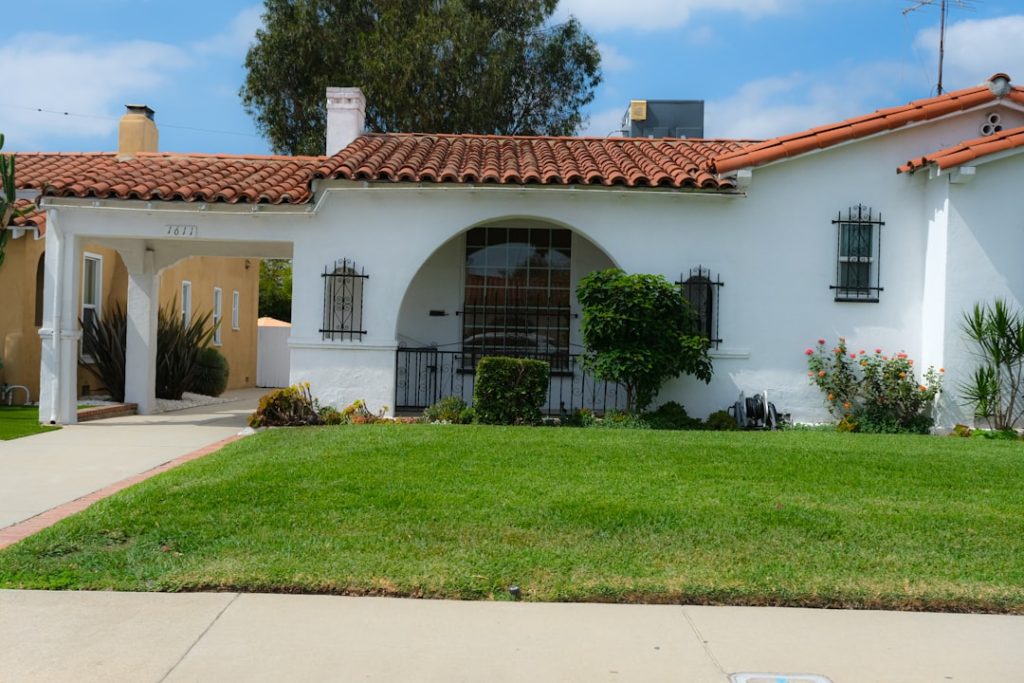
Why Choosing the Right Exterior Stucco Paint is Critical for Your Home
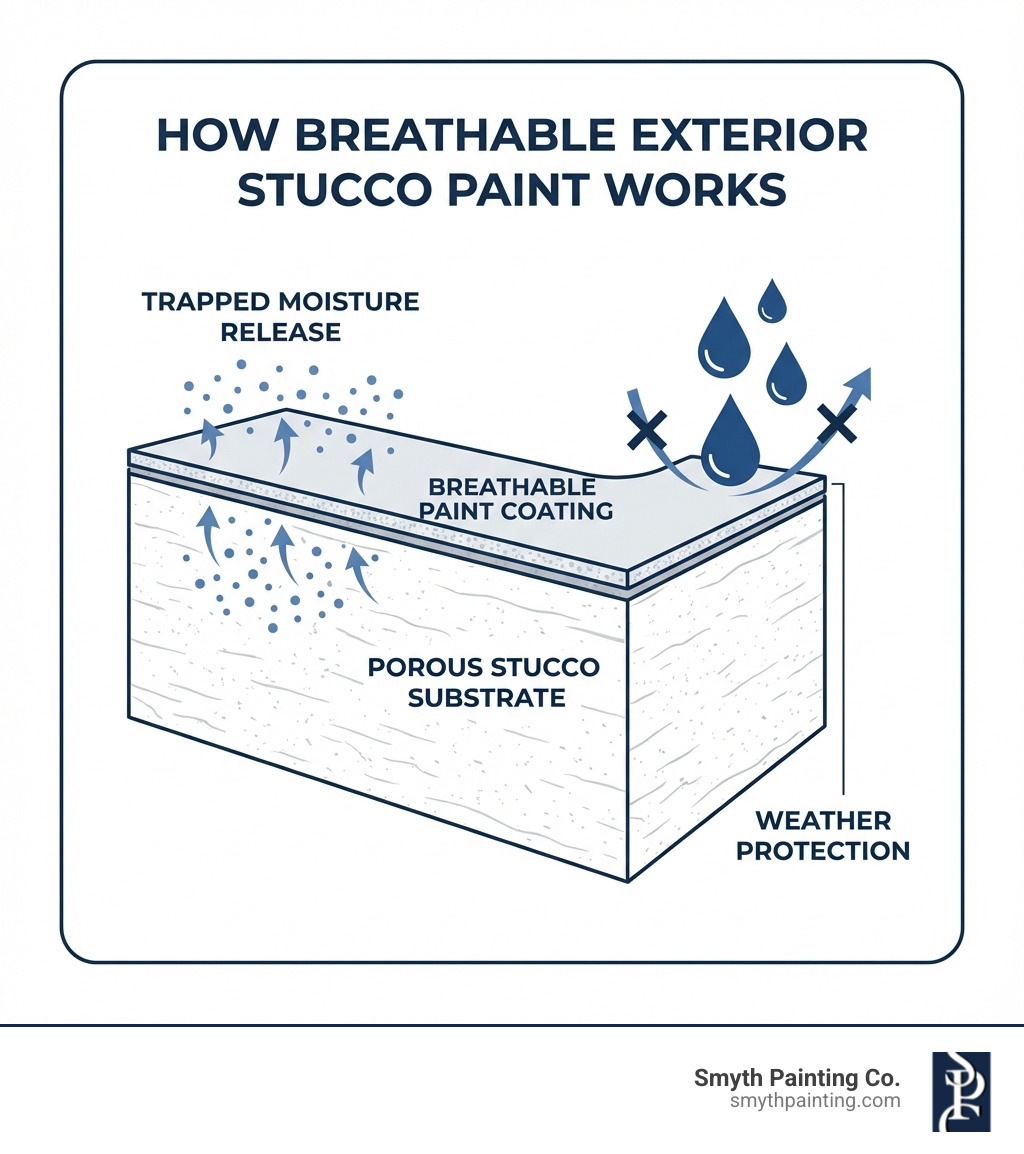
Exterior stucco paint is more than just color—it’s a critical shield that protects your home’s structure. Stucco, a plaster made from cement, sand, and water, is popular in Rhode Island for its durability and insulation. However, stucco is also porous, meaning it naturally absorbs and releases moisture. Using the wrong paint traps this moisture, leading to peeling, bubbling, and potential structural damage.
Your paint must be breathable to release trapped moisture, flexible to handle temperature changes, and durable enough to withstand weather. Industry research shows that nearly 80% of early paint failures on stucco are due to poor prep or using paint that doesn’t breathe. While stucco should be repainted every five to seven years to prevent costly repairs, a quality job with the right materials can last 7 to 10 years, even in our harsh coastal climate.
I’m Douglas Smyth, founder of Smyth Painting Company. Since 2005, my team has specialized in guiding Rhode Island homeowners through exterior stucco projects, ensuring lasting, beautiful results, especially for historic and complex properties.
Choosing the Best Exterior Stucco Paint for Your Home
Selecting the right exterior stucco paint is crucial for your home’s appearance and protection, especially in our coastal New England climate. The paint must be durable, flexible, and breathable to handle humidity, freeze-thaw cycles, and UV exposure while allowing the stucco to function as a breathable barrier.
To help you choose, here’s a comparison of the most common paint types for exterior stucco:
| Feature | 100% Acrylic Latex Paint | Elastomeric Paint | Specialty Masonry Paint |
|---|---|---|---|
| Breathability | High, maximizes moisture release | Low, can trap moisture | Good, often with additives |
| Flexibility | Good, accommodates minor movement | Excellent, bridges cracks up to 1/16″ or more | Good, some flexibility |
| Cost | Cost-effective | 50% more expensive | Moderate to high |
| Durability | Good (5-7 years) | Excellent (7-10+ years) | Very Good |
| Best Use Cases | Most stucco homes in good condition; general maintenance | Older stucco with numerous hairline cracks; areas prone to water intrusion | New stucco, surfaces with high pH, or where mildew resistance is a priority |
| Drawbacks | Less effective at bridging larger cracks | Can trap moisture if not applied correctly; takes longer to apply | May not offer the same crack-bridging as elastomeric |
Pros and Cons of Acrylic Exterior Stucco Paint
For most stucco homes in Rhode Island, a high-quality 100% acrylic latex exterior stucco paint is our top recommendation, offering a great balance of performance and value.
Pros of Acrylic Latex Paint:
- Excellent Breathability: It allows moisture vapor to escape from stucco walls, preventing bubbling and peeling, which is essential in our humid climate.
- Superior Flexibility: The paint expands and contracts with temperature fluctuations, preventing the film from cracking.
- Great Durability and Color Retention: Modern acrylics have excellent UV resistance, keeping colors vibrant for 5 to 7 years.
- Cost-Effective: Acrylic latex is more budget-friendly in material and labor costs compared to elastomeric paints, making it practical for regular maintenance.
Cons of Acrylic Latex Paint:
- Limited Crack Bridging: It is not designed to bridge cracks larger than 1/16 inch, which will require separate repair before painting.
When to Use Elastomeric Exterior Stucco Paint
Elastomeric paint is a thick, highly protective exterior stucco paint for specific situations.
When Elastomeric Paint is a Good Choice:
- Extensive Hairline Cracking: Its high flexibility allows it to stretch and bridge numerous minor cracks (less than 1/16 inch), preventing water intrusion.
- Superior Waterproofing: It forms a robust waterproof barrier against wind-driven rain, ideal for homes in exposed coastal areas.
- Older Stucco: It can provide a comprehensive protective layer for older homes with many surface imperfections.
Drawbacks of Elastomeric Paint:
- Higher Cost: These coatings are typically 50% more expensive than acrylics and take more time to apply, increasing the overall project cost.
- Less Breathable: This is a critical drawback. It can trap moisture if the surface is not prepared carefully, potentially causing blistering and damage to the stucco.
- Application Challenges: Its thickness requires experienced painters to achieve a smooth, even finish.
We consider elastomeric paint a long-term decision for specific cases where its benefits outweigh the risks of its lower breathability.
Understanding Specialty Masonry Paints
Specialty masonry paints are engineered for cement-based surfaces like stucco.
Key Features of Specialty Masonry Paints:
- Improved Adhesion: They are formulated to bond strongly with the porous, alkaline nature of stucco.
- Mildew Resistance: Many include additives that inhibit mildew growth, a common issue in Rhode Island’s humid climate.
- High pH Tolerance: They perform well on new or repaired stucco, which can have a high pH level.
- Breathability and Durability: They offer good breathability and excellent durability, comparable to high-quality acrylics.
These products are ideal for addressing specific challenges faced by stucco exteriors. For a comprehensive approach, explore More info about our exterior painting services. We combine high-quality materials with expert application for results that last.
The Essential 4-Step Process for a Flawless Finish
Painting stucco is a meticulous process where skipping steps can cause paint failure. Our refined four-step workflow, honed across Newport, Jamestown, and other coastal towns, ensures a durable and beautiful finish.

This process includes thorough surface preparation, priming, precise application, and cleanup.
Step 1: Cleaning and Repairing the Surface
Proper prep is the backbone of a long-lasting stucco paint job. Poor preparation is the leading cause of paint failure.
- Inspection: We start by inspecting the stucco for cracks, chalking, mold, and water intrusion. Minor cracks are normal, but anything wider than 1/16 inch requires professional repair.
- Cleaning: The entire surface is cleaned to remove dirt, grime, and mildew. We often prefer soft washing, which uses low-pressure solutions to clean effectively without damaging the stucco. You can learn more in our article, Why Soft Washing is Better Than Power Washing for Rhode Island Homes. After washing, the surface must dry completely, which can take 24 hours or more. We also treat any mildew and remove efflorescence (a white, powdery salt deposit) to ensure proper paint adhesion.
- Repairs: Once clean and dry, we repair imperfections. Paint alone cannot fill cracks.
- Hairline Cracks (under 1/16 inch): We fill these with a high-quality, paintable acrylic latex caulk.
- Larger Cracks and Damage: For cracks over 1/16 inch, we use a flexible exterior stucco patch. Significant damage may require rebuilding the area with new stucco mix to match the existing texture. For in-depth guidance, resources like the Guidance on stucco repair from the National Park Service are valuable. All repairs must cure fully before priming.
Step 2: The Critical Role of Priming
Priming is a non-negotiable step for a successful exterior stucco paint job. A quality masonry primer performs several vital functions:
- Seals the Surface: Stucco is porous, and primer creates a uniform surface for even paint absorption, preventing a patchy finish.
- Improves Adhesion: Primer creates a strong bond between the stucco and the topcoat, preventing peeling and flaking.
- Blocks Stains and Adds Durability: It helps block water stains or efflorescence from bleeding through and adds another layer of protection.
We recommend a separate, dedicated masonry primer even when using “paint-and-primer-in-one” products, as it provides superior adhesion for stucco’s unique challenges. Tinting the primer toward the final color also improves coverage and richness.
Step 3: Application Methods and Coats
With the surface prepped and primed, we apply the exterior stucco paint using techniques that ensure full coverage on its textured surface.
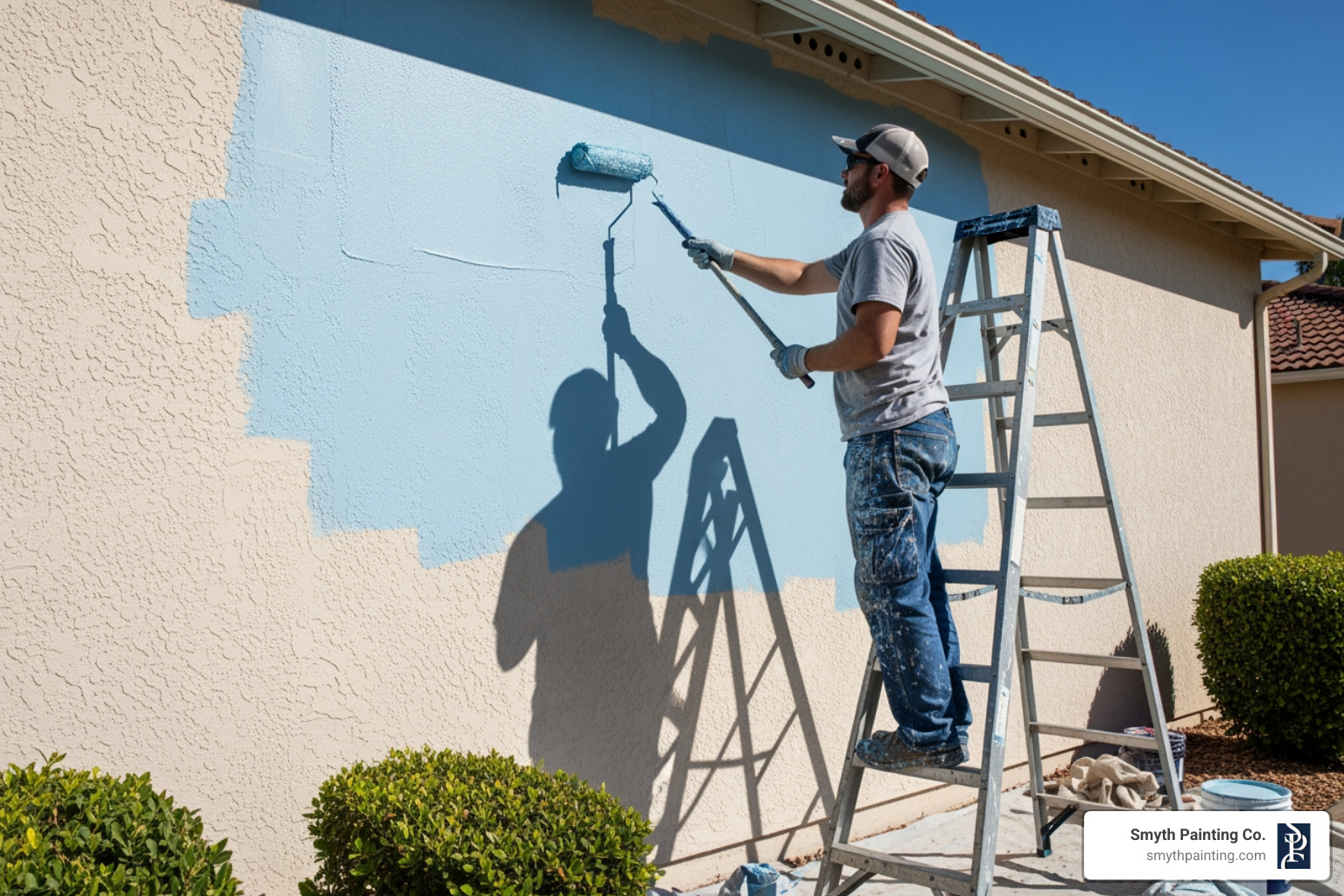
Tools and Technique: We use thick-nap rollers (3/4″ to 1″) to push paint into crevices. For efficiency on large areas, an airless sprayer is often preferred. When spraying, we always perform “back-rolling”—rolling over the freshly sprayed paint while it’s still wet. This crucial step ensures the paint is pushed deep into the stucco’s pores for a uniform, durable finish. We work from top to bottom and maintain a “wet edge” to avoid lap marks.
Number of Coats: For optimal durability and color, we always apply two full coats of exterior stucco paint, allowing proper drying time (usually 24 hours) between coats as recommended by the manufacturer.
Color, Style, and Finish: Bringing Your Vision to Life
The color and finish of your exterior stucco paint define your home’s character, especially in historic communities like Newport and Bristol.
Popular Color Choices for Stucco Homes:
- Earthy Tones: Tan, beige, and warm grays are timeless neutrals that complement natural landscaping.
- Whites and Off-Whites: A classic choice for a clean, fresh aesthetic, making a home feel larger and brighter, especially for coastal properties.
- Grays: From light, airy tones to deep charcoal, grays offer modern sophistication. Historic grays are often favored for older homes.
- Deep Hues: Bold blues or rich greens can create a stunning contemporary statement and dramatic curb appeal.
How Architectural Style Influences Color:
- Historic Homes: We often draw from traditional palettes to preserve local charm. Our article, Top 3 Historic Exterior Paint Colors in Newport, RI, offers insights into authentic color choices.
- Modern Homes: These benefit from clean lines and contrasting colors like stark whites or dark grays paired with natural wood.
- Coastal Homes: Light, airy colors like soft blues, greens, and sandy whites reflect the natural surroundings.
The Impact of Stucco Texture and Sheen:
- Stucco Texture: Rough textures can make colors appear slightly darker due to shadows. Always test color swatches on an actual stucco surface in natural light before deciding.
- Flat or Satin Sheen: For exterior stucco paint, we almost always recommend a low-sheen finish.
- Flat Finish: This is the most common choice as it absorbs light and effectively hides surface imperfections, providing a uniform look.
- Satin Finish: Offers a subtle sheen with slightly more durability and easier cleaning than flat, while still minimizing imperfections. Higher sheens are generally avoided as they highlight every bump on the textured surface.
Longevity and Avoiding Common Painting Mistakes
A properly painted stucco exterior is an investment in your home’s protection and beauty. Understanding its lifespan and how to avoid common pitfalls is key to making that investment last.
Expected Lifespan of Painted Stucco:
A high-quality exterior stucco paint job should last 7 to 10 years. This lifespan depends on paint quality, the thoroughness of preparation, and local climate conditions. Our coastal New England weather can be demanding, so proactive maintenance is crucial. The HUD Stucco Guide recommends inspections every 1-2 years in harsh climates. Repainting every five to seven years is a good strategy to stay ahead of costly repairs.Common Mistakes to Avoid When Painting Stucco:
Many issues stem from preventable errors. Nearly 80% of early paint failures are due to poor prep. Here are the most common mistakes to avoid:- Skipping Preparation: Never paint over dirty, chalky, or mildewed surfaces. Always clean the stucco thoroughly and repair all cracks and damage before painting.
- Using the Wrong Paint: Avoid non-breathable paints. Always use a high-quality 100% acrylic latex, elastomeric, or specialty masonry exterior stucco paint designed for breathability and flexibility.
- Forgetting Primer: Do not skip a dedicated masonry-specific primer. It is essential for proper adhesion, sealing the porous surface, and ensuring an even finish.
- Painting in Poor Weather: Avoid painting in extreme heat, humidity, or wind, or when rain is forecasted. Ideal temperatures are typically between 50-90°F.
- Painting Over Deeper Issues: Do not use paint to cover significant cracks (wider than 1/16 inch) or signs of water intrusion. These require professional repair first.
- Applying Insufficient Coats: Always apply at least two full coats. When spraying, use the back-rolling technique to ensure the paint fully penetrates the stucco’s texture.
- Rushing the Job: Allow adequate drying time between cleaning, repairs, priming, and each coat of paint. Patience is essential for a durable finish.
For more insights, see our guide on DIY Painting Pitfalls: Common Mistakes Homeowners Make and How to Avoid Them. Preventing these errors will keep your stucco home beautiful and protected for years.
Frequently Asked Questions about Painting Stucco
Homeowners in Rhode Island often ask us about their stucco exteriors. Here are answers to the most common questions:
How often should you paint an exterior stucco house?
An exterior stucco paint job typically lasts 5 to 10 years. The exact timeframe depends on factors like our New England climate, the quality of the previous paint job, the paint type used, and the stucco’s current condition. Homes exposed to direct sun, wind, or salt spray may need attention closer to the 5-7 year mark. We recommend annual inspections for fading, chalking, or cracking to stay ahead of major repairs.
Can you paint over old stucco paint?
Yes, you can paint over old stucco paint if it is in good condition (not peeling or flaking). The process involves:
- Thorough Cleaning: The surface must be cleaned of all dirt, grime, and mildew.
- Preparation: Scrape and sand any peeling areas until smooth. Repair all cracks in the stucco and allow them to cure.
- Priming: Spot-prime any bare or repaired patches to ensure a uniform finish. If you’re unsure of the old paint type, using a universal primer is a safe bet.
Painting over failing paint will cause the new coat to fail as well. If the old paint is in poor condition, more extensive prep may be required.
What’s the difference between painting interior vs. exterior stucco?
The primary difference is the paint’s required performance due to environmental exposure.
Exterior Stucco: This surface faces UV rays, rain, snow, and temperature shifts. It requires a durable, flexible, and breathable exterior stucco paint (like 100% acrylic latex or elastomeric) that can expand, contract, and allow moisture to escape.
Interior Stucco: This surface is protected from the elements. A high-quality interior acrylic latex paint is usually sufficient after proper priming. The focus is more on aesthetics, washability, and resistance to household wear. New interior stucco should still cure for at least 60 days before painting.
Conclusion: Achieve a Lasting, Beautiful Stucco Finish
Painting your stucco home is more than just a renovation; it’s an investment in its longevity, protection, and curb appeal. As we’ve explored, the journey to a beautiful, long-lasting stucco finish begins long before the first brushstroke.
The key takeaways are clear:
- Proper Preparation is Paramount: Meticulous cleaning, thorough repairs, and effective priming are the non-negotiable foundations for any successful exterior stucco paint job. Ignoring these steps is the fastest route to paint failure.
- Choose Breathable and Flexible Paint: In our varied New England climate, selecting the right paint—whether it’s a 100% acrylic latex for general use, an elastomeric for severe cracking, or a specialty masonry paint for improved adhesion and mildew resistance—is crucial for allowing the stucco to breathe and flex.
- Apply with Precision: Using the correct tools and techniques, including thick-nap rollers and back-rolling after spraying, ensures deep penetration, even coverage, and a uniform finish that truly lasts.
The value of a professional finish cannot be overstated. While DIY can be rewarding, the nuances of stucco preparation, product selection, and application often benefit from expert knowledge and experience. For a flawless and durable result on your stucco home, trust the experts at Smyth Painting Co. We bring years of experience to every project, ensuring your home in Newport, Middletown, Portsmouth, or any of our service areas in Rhode Island and Southeastern Massachusetts receives the highest quality care.
Ready to transform your home’s exterior and ensure its protection for years to come? Get your free exterior painting estimate today.


