

Why Your Paint Choice Matters More Than You Think
Environmentally friendly wall paint is paint formulated with low or zero volatile organic compounds (VOCs), natural or organic pigments, and fewer toxic additives than traditional paint. Look for certifications like Green Seal (≤50 g/L VOCs for flat, ≤100 g/L for non-flat), GREENGUARD Gold (<50 g/L VOCs), or Global GreenTag labels when shopping.
Quick Selection Guide:
- Zero-VOC Paint: Best for nurseries, bedrooms, and anyone with chemical sensitivities (contains ≤5 g/L VOCs)
- Low-VOC Paint: Good all-around choice for most rooms (contains ≤50-250 g/L VOCs depending on certification)
- Natural/Mineral-Based Paint: Made from clay, lime, or milk protein; completely non-toxic and breathable
- Key Certifications: Green Seal, GREENGUARD Gold, Global GreenTag GreenRate Level A
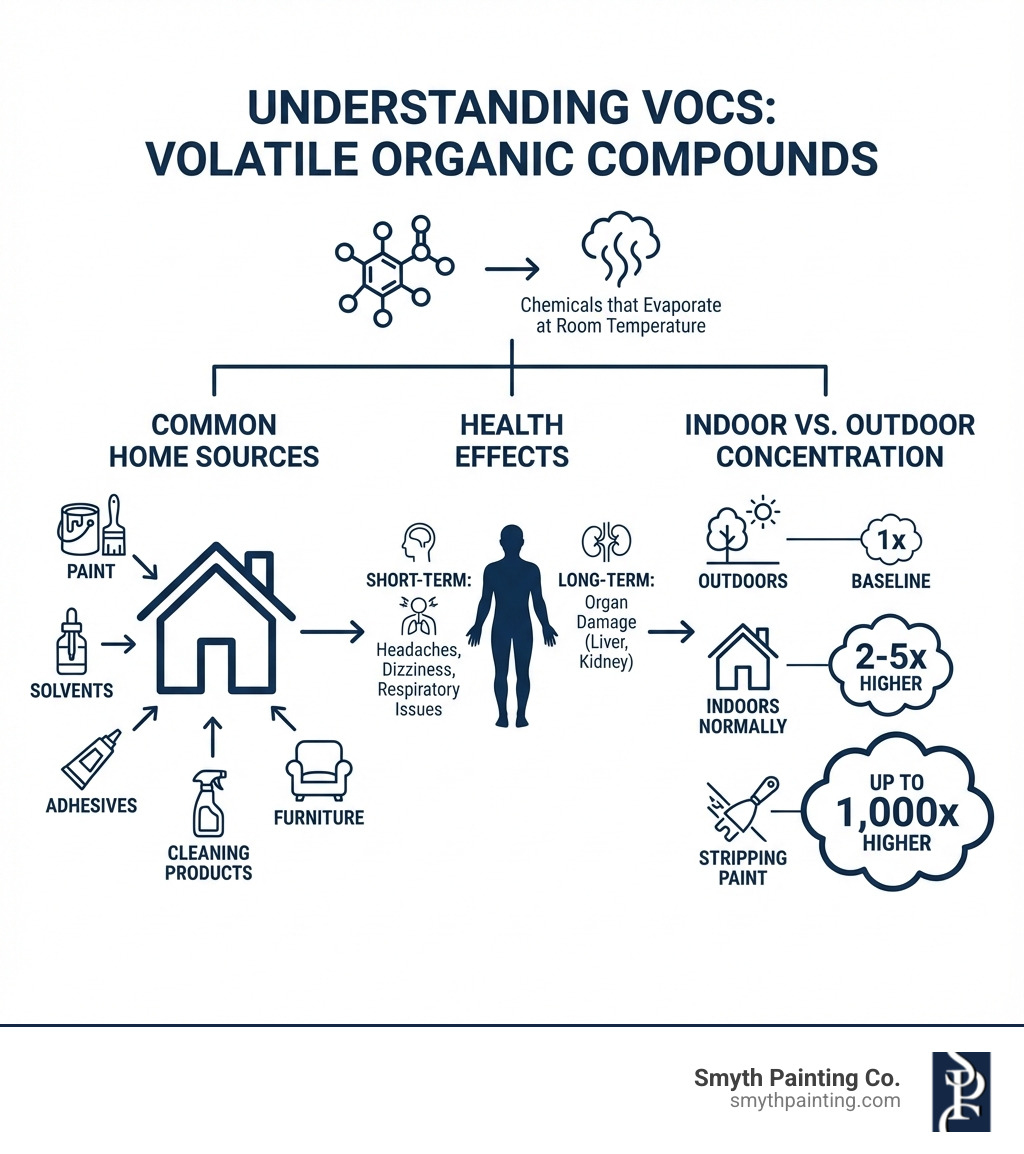
Changing your space with a fresh coat of paint should make your home healthier, not fill it with chemicals. Yet most traditional paints contain volatile organic compounds that can be two to five times more concentrated indoors than outdoors—and when you’re stripping old paint, that number can skyrocket to 1,000 times higher. VOCs cause headaches, dizziness, and respiratory issues in the short term, and they’ve been linked to liver and kidney damage over time.
The good news? You don’t have to choose between beautiful walls and your family’s health.
The paint industry has made remarkable strides in recent years. Water-based paints with minimal VOCs now offer the same durability and coverage as their toxic predecessors. Natural alternatives like mineral-based and clay paints provide unique textures while being completely non-toxic. Some brands even power their facilities with solar energy and package their products in 100% recyclable steel.
But navigating the eco-friendly paint market isn’t simple. Terms like “low-VOC,” “zero-VOC,” and “natural” mean different things, and not all green claims are created equal. Some paints labeled “zero-VOC” still contain up to 5 grams per liter of VOCs. Tinting can add VOCs back into supposedly clean formulas. And certifications vary widely in their standards and credibility.
As Douglas Smyth, founder of Smyth Painting Company serving Newport County and greater Rhode Island since 2005, I’ve watched the evolution toward environmentally friendly wall paint and helped countless homeowners make healthier choices for their historic and complex properties. Whether you’re tackling a DIY project or working with professionals, this guide will help you select the right eco-friendly paint for your needs.
The Hidden Hazards in Traditional Paint
When we envision a fresh coat of paint, we often think of vibrant colors and renewed spaces. What we might not consider are the invisible elements lurking within traditional paint—elements that can significantly impact our health and the environment. Traditional paint is a complex mixture, typically comprising pigments for color, binders (or resins) for adhesion, a liquid base (or solvent) for application, and various additives for properties like mildew resistance or faster drying. It’s the volatile organic compounds (VOCs) within these components that raise the most concern.
Volatile Organic Compounds are organic chemicals that can easily vaporize and enter the air as gases. Paint is, unfortunately, a leading culprit of VOC emissions, with many conventional products on the market containing these compounds. Common examples of VOCs include benzene, formaldehyde, xylene, toluene, and ethylene glycol. Once released into the air, a process known as “off-gassing,” these chemicals contribute to indoor air pollution, often for days, weeks, or even months after the paint has dried.
Why should we be concerned? The health impacts of VOCs are well-documented by organizations like the U.S. Environmental Protection Agency. Short-term exposure can lead to symptoms such as headaches, fatigue, and dizziness, as well as allergic reactions, nausea, and respiratory issues. In the long term, these compounds have been associated with more severe conditions, including liver and kidney damage, central nervous system disorders, and even certain types of cancer. It’s particularly alarming that VOC concentrations can be up to 10 times higher indoors than outdoors. And if you’re undertaking a home project that involves stripping old paint, studies show that VOC levels can skyrocket up to 1,000 times higher—a stark reminder of the importance of proper ventilation and choosing safer alternatives.
Beyond personal health, traditional paints also carry a significant environmental burden. The release of VOCs into the atmosphere contributes to smog formation and ground-level ozone pollution, which can harm plants and ecosystems. Some VOCs are even known to damage the ozone layer, further exacerbating global environmental challenges.
As painting professionals, we’ve seen the challenges associated with older homes in places like Newport County, where lead paint was once common. Addressing such historical hazards is crucial, and we have resources like our guide on Repainting My Old Home: What I Need to Know About Lead Paint to help homeowners steer these issues safely. But even in newer constructions, the choice of paint matters immensely for creating truly healthy living spaces.
A Guide to Environmentally Friendly Wall Paint Types
The good news is that advancements in paint technology mean we no longer have to sacrifice quality or aesthetics for health and environmental responsibility. An environmentally friendly wall paint is generally defined by its formulation: low or zero VOCs, natural or organic pigments, and a minimal use of harsh chemical additives. These paints are often referred to as “non-toxic” because they significantly reduce or eliminate the harmful airborne chemicals found in traditional options.
One of the foundational distinctions in paint is between water-based and oil-based formulas. Water-based paints, including latex and acrylic varieties, are generally considered safer and more eco-friendly than oil-based paints, which traditionally rely on synthetic solvents and have higher VOC levels. The ideal eco-friendly paint will also boast natural pigments, derived from earth minerals or plants, and very few, if any, unnecessary additives like biocides (active chemical molecules used to control bacteria, typically found in exterior paints).

Understanding Low-VOC and Zero-VOC Environmentally Friendly Wall Paint
When shopping for environmentally friendly wall paint, you’ll frequently encounter terms like “low-VOC” and “zero-VOC.” While they both indicate a reduction in harmful chemicals, there’s a subtle but important distinction.
Low-VOC Paint: These paints contain significantly reduced levels of volatile organic compounds compared to conventional paints. The U.S. Environmental Protection Agency (EPA) currently limits the amount of VOCs in “low-VOC” latex paints to no more than 250 grams per liter (g/L) and no more than 380 g/L for “low-VOC” oil-based paints. Many modern low-VOC acrylic latex paints offer excellent durability and coverage, making them a great choice for various interior painting projects. We often recommend these for our Interior Painting Services where clients are looking for a healthier option without compromising performance.
Zero-VOC Paint: This term is a bit trickier. While “zero” implies no VOCs at all, commercial paints labeled “zero-VOC” can, by EPA standards, still contain up to 5 g/L of VOCs. This minimal amount is generally considered negligible for health impacts, but it’s important to be aware of the technical definition. A critical factor to consider with both low- and zero-VOC paints is the tinting process. Many paint bases are manufactured with low or zero VOCs, but the colorants added to create your desired shade can reintroduce VOCs into the formula. Some innovative brands, however, have developed patented colorant systems that ensure the paint remains zero-VOC even after tinting. Always ask your paint supplier or professional painter about the VOC content after tinting.
Choosing Safer, More Natural Paint Options
Beyond the low-VOC and zero-VOC commercial formulations, a fascinating world of truly natural and mineral-based paints awaits. These options often go a step further in minimizing chemical content, offering unique properties and aesthetic qualities.
These paints are typically made with safer, more natural ingredients and often feature biodegradable materials. They use natural binders and pigments, resulting in what are known as “breathable finishes.” This means the paint allows moisture vapor to pass through the wall, which can be beneficial for older homes in our region, helping to regulate indoor humidity and prevent issues like mold and mildew. Our guide on Paint Finishes: A Simple Guide can help you understand the aesthetic and functional differences these paints offer.
Here are some popular natural paint types:
- Milk Paint: Made from organic milk protein (casein), lime, clay, and natural pigments, milk paint is biodegradable and renewable. It’s known for its matte, chalky finish and is often entirely VOC-free. Some brands even offer vegetable-based casein for a dairy-free approach.
- Clay Paint: Utilizing natural clay minerals, these paints offer a soft, matte finish and are highly breathable. They are free from synthetic chemicals and are excellent for improving indoor air quality.
- Lime Paint: A historical and increasingly popular choice, lime paint is a 100% mineral paint. It’s anti-bacterial, anti-fungal, air-purifying, and even absorbs CO2 from the air during its drying process, much like trees! Its porous nature helps regulate indoor moisture, and it’s non-flammable and often solvent-free. Lime paint creates beautiful color nuances and a unique, soft, textured look that deepens over time.
- Earth-Based Pigment Paints: These paints use pigments derived directly from the earth, offering a rich, natural color palette without synthetic dyes.
While these natural options might sometimes require different application techniques or have distinct durability characteristics compared to conventional paints, their health and environmental benefits are unparalleled.
How to Choose the Right Green Paint
Making an informed choice about environmentally friendly wall paint involves looking beyond just the marketing claims. We need to understand what makes a paint truly green and how to identify products that align with our values for a healthier home and planet. This often means delving into third-party certifications, carefully reading labels, and even reviewing technical data sheets.
| Paint Type | VOC Level (after tinting) | Durability | Cost (relative) | Best Use Cases |
|---|---|---|---|---|
| Traditional Paint | High (250-380+ g/L) | Very High | Low | Areas where VOCs are not a primary concern (e.g., exterior, non-occupied industrial, though eco-friendly options are often preferred) |
| Low-VOC Paint | Low (50-250 g/L) | High | Medium | Most interior rooms, high-traffic areas, good balance of performance and eco-friendliness |
| Zero-VOC Paint | Very Low (0-5 g/L) | High | Medium-High | Nurseries, bedrooms, sensitive individuals, homes with pets, areas where maximum indoor air quality is desired |
| Natural/Mineral-Based | Typically 0 g/L | Medium-High (can vary, may need sealing) | High | Unique aesthetic finishes, highly breathable walls, historic properties, individuals with extreme chemical sensitivities |
Key Certifications to Look For
Certifications are your best friend when navigating the green paint market. They provide independent verification that a product meets specific environmental and health standards. Here are the labels we recommend looking for:
- Green Seal: This certification indicates that a paint meets rigorous environmental criteria. For flat paints, Green Seal certified products cannot exceed 50 g/L VOCs, and for non-flat paints, the limit is 100 g/L.
- GREENGUARD Certification (especially GREENGUARD Gold): Paints bearing the GREENGUARD label have less than 50 g/L of VOCs. The “Gold” standard includes stricter certification criteria for low chemical emissions, making it suitable for use in schools and healthcare facilities, and ideal for any residential space where indoor air quality is paramount.
- Global GreenTag: This international certification system rates products based on a comprehensive lifecycle assessment. Look for GreenTag GreenRate Level A and PlatinumHEALTH™ certifications, which indicate ultra-low chemical emissions and a strong commitment to health and sustainability.
- Green Wise: While indicating that a paint has been tested for VOCs, it’s worth noting that this seal is an association of paint manufacturers. It’s a good baseline, but often less stringent than independent third-party certifications like Green Seal or GREENGUARD Gold.
- CDPH Standard Method (California Department of Public Health): This is a robust standard for testing VOC emissions from building materials, including paints. Paints that meet these emissions requirements are excellent for indoor air quality.
- MPI X-Green Performance Standard: The Master Painters Institute (MPI) offers performance standards. X-Green is a stringent specification for paints that meet high environmental and performance benchmarks.
These certifications ensure that the paint has undergone emissions testing and often require ingredient transparency, giving you peace of mind about what you’re bringing into your home.
Factors Beyond VOCs
While VOCs are a primary concern, a truly environmentally friendly wall paint considers its entire lifecycle. Sustainable brands differentiate themselves through a holistic approach that goes far beyond just the chemical content of the paint itself.
- Manufacturing Process: Look for brands that prioritize sustainable manufacturing. Some companies power their facilities entirely by solar energy, drastically reducing their carbon footprint. Others implement low-waste production methods and water conservation systems throughout their operations.
- Recyclable Packaging: The paint can itself can be a source of waste. Many eco-conscious brands use paint cans crafted from 100% recyclable steel, often with recyclable PET labels. Some even use 100% post-consumer recycled containers and boxes for shipping, packed with paper or corn-based stuffing instead of plastic.
- Sustainable Sourcing: This applies to all ingredients, from the natural pigments to the wood used in their paint tools. For example, some brands use FSC-certified beech wood for their brushes and trowels, ensuring responsible forest management.
- Water Conservation: Paint production can be water-intensive. Brands committed to sustainability actively implement systems to conserve water during manufacturing.
- Carbon-Neutral or Climate Positive: Some forward-thinking companies are not just reducing their emissions but actively offsetting them to achieve carbon neutrality, or even going “climate positive” by removing more carbon from the atmosphere than they emit. This commitment reflects a deep dedication to environmental stewardship.
- Ethical Considerations: Beyond environmental impact, some consumers consider the broader ethics of a brand, including their stance on animal welfare (e.g., vegan-friendly, cruelty-free paints that avoid animal-derived ingredients like casein, shellac, or beeswax) and even the activities of their parent companies.
Choosing paint from brands that consider these factors means you’re supporting a company that is genuinely committed to a brighter, more sustainable future, from the ground up. This commitment to quality and thoughtful processes extends to our own Exterior Painting Services, where we prioritize durable, long-lasting finishes that protect your home while being mindful of the environment.
Beyond the Can: A Holistic Approach to Sustainable Painting
Selecting the right environmentally friendly wall paint is a fantastic first step, but true sustainability in a painting project extends beyond just the product in the can. It involves a holistic approach, from how we plan and prepare to how we clean up and dispose of materials. Thinking about the entire process allows us to minimize waste, conserve resources, and further reduce our environmental impact.

Eco-Conscious Tools and Prep
Our commitment to a greener Rhode Island means we also consider the tools and preparation methods we use.
- High-Quality, Reusable Tools: Investing in durable, high-quality brushes and rollers made from renewable or recycled materials is key. These tools last longer, reducing the need for frequent replacements. For example, brushes made with FSC-certified wooden handles are a great choice.
- Reusable Drop Cloths: Ditch the disposable plastic! Washable canvas drop cloths are a much more sustainable option. They protect your floors and furniture just as effectively and can be used for countless projects.
- Low-Tack Painter’s Tape: While not always reusable, choosing painter’s tape that leaves minimal residue and is easier to remove can reduce the need for harsh cleaning chemicals later.
- Proper Surface Preparation: The longevity of your paint job directly impacts its sustainability. A well-prepared surface means the paint adheres better and lasts longer, reducing the frequency of repainting. This includes thorough cleaning, sanding, and priming. For exterior surfaces, we often use Softwashing, an eco-friendly cleaning method that uses biodegradable solutions to gently clean surfaces without harsh chemicals or high pressure, preparing them perfectly for paint.
By focusing on eco-conscious tools and meticulous preparation, we ensure that our painting projects are not only beautiful but also mindful of our planet’s resources.
Green Cleanup and Disposal
The final stages of a painting project—cleanup and disposal—are often overlooked but are crucial for environmental responsibility.
- Efficient Brush and Roller Washing: Instead of letting paint dry on tools or using excessive water, wash brushes and rollers efficiently. Use a minimal amount of water and biodegradable, non-toxic cleaning solutions. Consider a spinner tool to remove excess water, allowing brushes to dry quickly and retain their shape for future use.
- Disposing of Leftover Paint: Never pour leftover paint down the drain, as it can contaminate water systems. For small amounts of latex paint, brush it out onto newspaper or cardboard, allow it to dry completely, and then dispose of it with your regular household waste. For larger quantities, or if you have oil-based paints, check with your local municipal waste facility in Rhode Island or SE Mass for specific hazardous waste disposal guidelines and collection events.
- Paint Recycling Programs: Many communities and paint retailers offer paint recycling programs. These initiatives collect unused or unwanted paint, often reprocessing it into new paint products or using it for other purposes, dramatically reducing landfill waste. Always check with your local council or hardware store for available programs.
- Donating Unused Paint: If you have usable leftover paint, consider donating it to local charities, community theaters, schools, or Habitat for Humanity chapters. This not only prevents waste but also benefits your community.
By adopting these green cleanup and disposal practices, we can significantly reduce the environmental footprint of our painting projects. Avoiding common mistakes during this phase is vital, and our guide on DIY Painting Pitfalls: Common Mistakes Homeowners Make and How to Avoid Them offers further advice on ensuring a smooth and responsible project.
Conclusion
The journey to a healthier home and a more sustainable lifestyle often begins with the choices we make for our immediate environment. When it comes to painting, choosing environmentally friendly wall paint is a powerful step toward wall-to-wall wellness. We’ve explored the hidden hazards of traditional paints, the crucial role of VOCs in indoor air quality, and the diverse range of eco-friendly alternatives available today, from low-VOC acrylics to truly natural mineral-based options.
The benefits are clear: a healthier home with significantly improved indoor air quality, reduced exposure to harmful chemicals for you and your loved ones, and a positive contribution to broader environmental responsibility. By looking for trusted certifications like Green Seal and GREENGUARD Gold, considering brands with sustainable manufacturing and packaging, and adopting eco-conscious practices in our tools, preparation, and cleanup, we can ensure we’re making truly informed choices.
At Smyth Painting Co., we believe that changing your space should be a joyful and health-conscious experience. For homeowners in Newport County and across Rhode Island and SE Mass, we’re here to guide you through the process, offering high-quality, detailed, and professional work with eco-friendly options and a smooth, stress-free customer experience. Let us help you create a beautiful, healthy sanctuary in your home.


