

Why Your Paint Choice Matters More Than You Think
Environmentally friendly paint is paint formulated with low or zero volatile organic compounds (VOCs), natural or sustainable ingredients, and safer manufacturing processes. These paints improve indoor air quality, reduce health risks, and minimize environmental impact compared to conventional paints.
Key Differences:
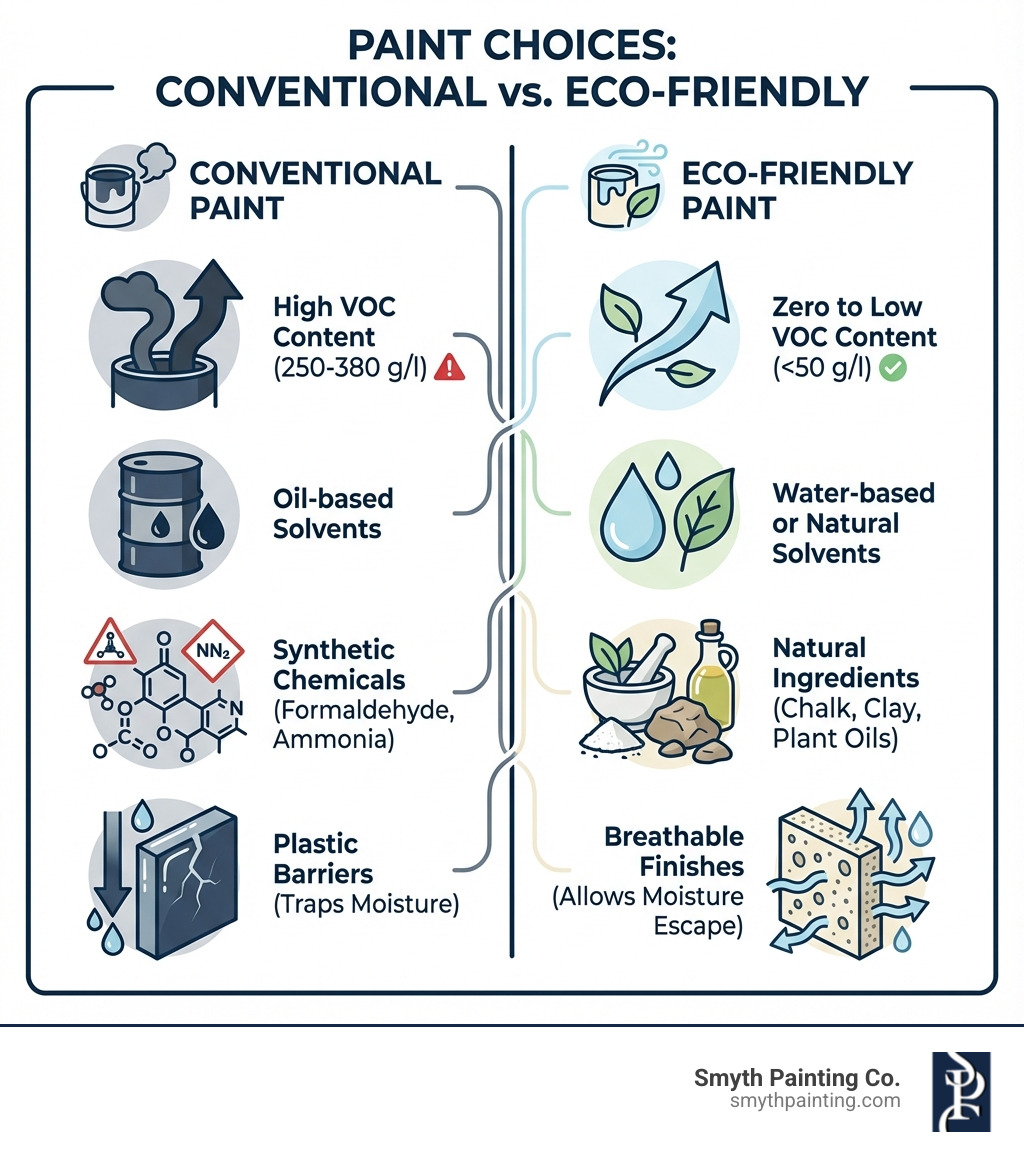
| Conventional Paint | Eco-Friendly Paint |
|---|---|
| High VOCs (up to 250-380 g/l) | Low or zero VOCs (<50 g/l or <5 g/l) |
| Petroleum-based solvents | Water-based or natural solvents |
| Synthetic chemicals and additives | Natural ingredients (chalk, clay, plant oils) |
| Strong odor, long off-gassing | Low or no odor, minimal off-gassing |
| Can contain formaldehyde, ammonia | Free from toxic additives |
When you’re choosing paint for your home, you’re making a decision that affects more than just the color of your walls. The paint you select impacts the air you breathe, the health of your family, and even the planet.
The stakes are surprisingly high. VOC concentrations indoors can be up to 10 times higher than outdoors—and when you’re stripping paint, that number can spike to 1,000 times higher. These chemicals don’t just disappear when the paint dries. They continue releasing gases for days or even weeks, potentially causing headaches, respiratory issues, and long-term health problems.
Traditional paints often contain a cocktail of harmful ingredients: plastics, vinyl resins, synthetic dyes, formaldehyde, and ammonia. Many homeowners don’t realize they’re bringing these substances into their homes until they experience the telltale signs—strong odors, headaches during painting projects, or ongoing sensitivity in freshly painted rooms.
But there’s good news. The paint industry has evolved dramatically in recent years. Today’s eco-friendly paints don’t require you to sacrifice quality for safety. They offer excellent coverage, rich colors, and durability while protecting your indoor air quality and the environment.
As Douglas Smyth, founder of Smyth Painting Company serving Newport County and greater Rhode Island since 2005, I’ve witnessed the change in paint technology and have helped countless homeowners transition to safer environmentally friendly paint options that deliver both beautiful results and peace of mind. Understanding what makes paint truly eco-friendly—and how to choose the right option for your project—can transform your home into a healthier, more sustainable space.
The Hidden Hazards in Conventional Paint
When we talk about conventional paints, we’re often discussing products that have been the industry standard for decades. While they offer vibrant colors and durable finishes, they often come with a hidden cost: a cocktail of harmful chemicals that can significantly impact both our health and the environment.
The primary culprits in these traditional formulas are Volatile Organic Compounds, or VOCs. These are organic compounds that vaporize and enter the air as gases, and paint is a leading source of them. Examples of VOCs commonly found in paints include benzene, formaldehyde, xylene, toluene, and ethylene glycol.
The impact of these chemicals on indoor air quality is staggering. The Environmental Protection Agency (EPA) notes that the effects of VOCs are about two to five times higher indoors than outdoors. What’s even more alarming is that if you’re stripping paint during a home project, studies show that VOC levels can skyrocket up to 1,000 times higher! This means that the air inside our homes, where we spend nearly 80 percent of our time, can become a significant source of exposure to these hazardous substances.
The Health Impacts of VOCs
The health risks associated with VOC exposure are extensive, ranging from short-term irritations to severe long-term conditions. According to the Environmental Protection Agency, adverse health effects can include:
- Allergic reactions and respiratory issues: VOCs can exacerbate conditions like asthma and allergies, making breathing difficult for vulnerable individuals.
- Headaches, nausea, and dizziness: These are common immediate symptoms of exposure.
- Organ damage: Prolonged exposure can lead to liver, kidney, and central nervous system disorders.
- Cancer: Some VOCs are known carcinogens.
Beyond personal health, these compounds also pose a threat to our planet. Some VOCs are known to contribute to damage to the ozone layer, a critical shield that protects us from harmful ultraviolet radiation.
In addition to VOCs, conventional paints often contain other undesirable ingredients. Many are oil-based, relying on petroleum-based solvents and requiring harsh chemical cleaners like white spirit. They can also include plastics or microplastics, vinyl resins, synthetic dyes, acrylics, and preservatives like ammonia, all of which contribute to a less-than-ideal indoor environment and a heavier environmental footprint.
Understanding these hidden hazards is the first step towards making more informed choices for our homes and the broader community in Rhode Island and SE Mass. We believe that a beautiful home shouldn’t come at the expense of your health or the environment.
What Defines an Eco-Friendly Paint?
So, if conventional paints carry these hidden hazards, what exactly makes a paint ‘eco-friendly’ or ‘non-toxic’? At its core, an environmentally friendly paint is designed to minimize harm to both people and the planet throughout its lifecycle. This means careful consideration of its ingredients, its manufacturing process, and even its packaging.
First and foremost, eco-friendly paints prioritize sustainable, natural ingredients. This often means moving away from petroleum-based components and synthetic chemicals towards plant-based materials, natural minerals, and water as a primary solvent. For example, instead of synthetic fillers, some eco-friendly paints use natural materials like crushed Carrara marble or olive powder, a by-product of the olive oil industry. The fewer additives and synthetic components, the better for eco-safety.
Secondly, the manufacturing process plays a crucial role. Ethical production practices consider the emissions and carbon footprint generated. Leading eco-friendly paint brands often use renewable energy sources, such as solar power, to produce their paints. They also focus on reducing waste through practices like made-to-order production and offering digital brochures instead of printed ones.
Finally, packaging is another key differentiator. Environmentally friendly paint brands often use 100% recyclable materials for their cans, such as steel, and recyclable labels. Even the shipping materials are considered, with predominantly cardboard boxes and paper or corn-based stuffing replacing plastics. Some brands even extend their eco-commitment to their tools, offering brushes and trowels crafted from sustainably managed wood, like FSC-certified beech.
Low-VOC vs. Zero-VOC: Understanding the Labels
One of the most important metrics for identifying eco-friendly paint is its Volatile Organic Compound (VOC) content. However, the terms “low-VOC” and “zero-VOC” can sometimes be a bit misleading, and understand what they truly mean.
- Low-VOC Paint: The EPA currently limits the amount of VOCs in “low-VOC” latex paints to no more than 250 grams per liter (gm/l) and no more than 380 gm/l for “low-VOC” oil-based paints. While this is significantly better than conventional paints, it still means there are VOCs present that can off-gas into your home.
- Zero-VOC Paint: This label suggests no VOCs at all, but in reality, commercial paints labeled “zero-VOC” can still contain up to 5 gm/l VOCs. While a minuscule amount, it’s a critical distinction to be aware of. The goal is to get as close to truly VOC-free as possible.
It’s also crucial to remember that VOC content isn’t just about the base paint. The tinting process can add VOCs back into an otherwise low- or zero-VOC paint. We always recommend confirming that the tinting system used by your chosen brand maintains low or zero VOC levels. Some innovative brands, for instance, use patented colorant systems designed to keep paints zero-VOC even after tinting.
Natural and Alternative Paint Types
Beyond the conventional latex and oil-based formulations, a fascinating world of natural and alternative paint types offers unique aesthetic and environmental benefits. These options often use ancient recipes and natural ingredients, providing truly environmentally friendly paint solutions.
- Milk Paint: Made from organic milk protein (casein), milk paint is naturally zero-VOC and offers a beautiful, soft, matte finish. It’s often supplied as a powder that you mix with water, making it incredibly versatile. Some brands even offer vegetable-based casein for a dairy-free approach. The Real Milk Paint Co., for example, uses earth pigments to create rich colors.
- Clay Paint: As the name suggests, these paints are formulated with natural clays. They create a wonderfully breathable finish, which is excellent for older homes in places like Newport and other historic areas of Rhode Island. Breathable paints allow moisture to escape walls, preventing mold and fungus growth, unlike traditional paints that can create a plastic barrier. Clay paints also offer unique, earthy textures and a matte appearance.
- Chalk Paint: Known for its distinctive matte, velvety finish and excellent adhesion without much surface prep, chalk paint is another popular natural option. It’s often used for furniture projects and decorative finishes, offering a charming, vintage look. Many chalk paints are water-based and low in VOCs.
- Lime Wash: A traditional paint made from lime and water, lime wash creates a beautiful, mottled, translucent effect that is highly breathable and naturally antibacterial. It’s perfect for achieving an aged, soft aesthetic and is particularly well-suited for historic properties.
- Mineral-Based Paints: These are modern alternatives to synthetic resin-based paints, using natural minerals for color and binders. They offer excellent durability and breathability, representing a sustainable choice for various surfaces.
These natural and alternative paints often come in a more limited color palette compared to synthetic options, but their unique textures, breathable qualities, and truly non-toxic nature make them an attractive choice for homeowners in Rhode Island and SE Mass looking for a deeply environmentally friendly paint solution.
The Benefits and Performance of Environmentally Friendly Paint
Choosing an environmentally friendly paint isn’t just about avoiding harm; it’s about actively enhancing your living space. The benefits extend far beyond simply being “green,” touching on everything from your family’s health to the long-term performance and aesthetic appeal of your painted surfaces.

Breathe Easier: Health and Home Advantages
One of the most immediate and profound benefits of switching to eco-friendly paints is the dramatic improvement in indoor air quality. Traditional paints, with their high VOC content, can off-gas harmful chemicals for days, weeks, or even months after application. This leads to that familiar “new paint smell” – which, while sometimes associated with a fresh look, is actually a sign of harmful chemicals entering your air.
- Allergy and Asthma Friendly: For individuals with respiratory sensitivities, allergies, or asthma, conventional paints can be a nightmare. Environmentally friendly paint, especially those certified by organizations like the Asthma & Allergy Friendly® Certification Program, significantly reduces irritants. This means fewer triggers and a more comfortable home environment for everyone.
- Nurseries and Kids’ Rooms: We believe that the spaces where our children grow and play should be as safe as possible. Zero-VOC and non-toxic paints are ideal for nurseries, kids’ rooms, and play areas, ensuring that little lungs aren’t exposed to hazardous fumes.
- Odorless Paint: Many eco-friendly paints are virtually odorless, or their low odor dissipates within an hour. This makes the painting process much more pleasant and allows you to reoccupy freshly painted rooms much faster, minimizing disruption to your daily life. Imagine painting your living room in Barrington, RI, and being able to relax in it that evening!
- Mold Prevention: Beyond VOCs, some eco-friendly paints, particularly breathable options like clay paint or lime wash, help prevent mold and fungus. By allowing moisture to escape from walls, they eliminate the damp conditions that mold thrives in, contributing to a healthier, cleaner home. This is especially valuable in a coastal climate like ours in Rhode Island, where humidity can be a concern.
By choosing environmentally friendly paint, you’re changing your house into a sanctuary, making healthy choices that positively impact your quality of life.
Putting Performance to the Test
Some homeowners worry that opting for eco-friendly paints means sacrificing performance. We’re here to tell you that this is simply not true. The advancements in environmentally friendly paint technology mean that today’s options can rival, and often surpass, conventional paints in terms of durability, coverage, and ease of application.
- Durability Comparison: High-quality eco-friendly paints are formulated for longevity. Brands often incorporate advanced binders and natural resins to ensure excellent adhesion and a tough, washable finish that stands up to daily wear and tear. For high-traffic areas in homes in Wakefield or commercial spaces in Newport, we look for paints that offer superior resistance to scrubbing, staining, and even common cleaners. For instance, some low-VOC paints are LEED and GREENGUARD GOLD certified and boast excellent stain and mold-resistant properties, keeping your fresh paint job looking great for longer.
- Coverage Rates: Many environmentally friendly paint options offer impressive coverage, meaning you might need fewer coats and less paint overall. For example, some brands claim a gallon can cover up to 560 sq. feet, which is more than many traditional options. This not only saves you money but also reduces material usage and waste.
- Ease of Application: Modern eco-friendly paints are designed with the user in mind. They often apply smoothly, offer great hiding capabilities (meaning they cover existing colors well), and are easy to clean up with just soap and water. This makes the painting process more efficient and less messy, whether you’re a seasoned DIYer or hiring professionals like us. Even if you’re tackling a small project yourself, knowing about common DIY painting mistakes to avoid can make the process even smoother.
- Finish Quality: Eco-friendly paints deliver stunning finish quality, from rich, deep mattes to neat satins and semi-glosses. Natural pigments often provide a unique depth of color that can be hard to achieve with synthetic dyes. Whether you’re looking for a classic, timeless look for your historic home in Bristol or a modern aesthetic for a new build in North Kingstown, there’s an eco-friendly option that delivers on beauty and performance.
We’ve seen these paints perform beautifully across a range of projects in our service areas, proving that you don’t have to compromise on quality or aesthetics to make an environmentally conscious choice.
How to Choose the Right Eco-Friendly Paint
Navigating environmentally friendly paint can seem daunting with all the labels and claims. But with a little knowledge, you can confidently select products that align with your values and deliver beautiful, healthy results for your home in Rhode Island or SE Mass.
What to look for in an environmentally friendly paint
When we’re helping clients choose paint, we always emphasize looking beyond marketing slogans to truly understand a product’s eco-credentials. Here’s what we recommend:
- Third-Party Certifications: These are your best friends in verifying a paint’s claims. Independent organizations rigorously test products against strict environmental and health standards.
- The GREENGUARD label: Paints bearing this label have less than 50 grams of VOCs per liter. GREENGUARD Gold certification indicates even stricter chemical emission limits, making products suitable for sensitive environments like schools and healthcare facilities.
- Green Seal standards: Products certified by Green Seal cannot exceed 50 grams of VOC per liter for flat paint and 100 grams per liter for non-flat paints. They also consider other environmental impacts throughout a product’s lifecycle. The EPA outlines various criteria for greener interior latex paints.
- Asthma & Allergy Friendly® Certification Program: This certification specifically tests products for their impact on indoor air quality and suitability for individuals with asthma and allergies.
- LEED and B Corp Certifications: While not paint-specific, these indicate a company’s broader commitment to sustainability, ethical practices, and reduced environmental impact.
- CDPH Standard Method and MPI X-Green Performance Standard: These are often referenced in professional and institutional settings but are excellent indicators of high-performing, low-emission paints.
- Ingredient Transparency: A truly environmentally friendly paint brand will be open about its ingredients. They won’t hide behind “trade secrets” but will instead educate consumers on what’s in their cans. Look for brands that clearly state they are free from harmful chemicals like formaldehyde, ammonia, heavy metals, and alkylphenol ethoxylates (APEs).
- Manufacturing Processes: Consider the brand’s overall commitment to sustainability. Do they use renewable energy? Do they have programs for reducing waste, like made-to-order production or recycled packaging? These factors contribute to a paint’s true eco-friendliness.
- Water-Based Formulations: While not all water-based paints are eco-friendly, they are generally a better starting point than oil-based paints, as they are easier to clean with water and typically contain fewer harsh solvents.
- Natural Pigments and Low Biocides: Opt for paints that use natural pigments for color and keep biocide content (chemicals used to prevent mold and mildew) to a minimum, especially for interior paints.
By focusing on these criteria, you can make an informed decision and select paints that truly support a healthier home and planet.
Understanding the cost of environmentally friendly paint
When considering environmentally friendly paint, one of the most common questions we hear is about cost. It’s true that the upfront price per gallon for some premium eco-friendly options can be higher than conventional paints. However, it’s crucial to look beyond the initial sticker price and consider the long-term value and benefits.
- Upfront Cost vs. Long-Term Value: While a gallon of eco-friendly paint might cost more initially, this investment often pays off in several ways.
- Durability: High-quality eco-friendly paints are designed to be durable and long-lasting, reducing the need for frequent repainting. This means you save on labor and material costs over time. We’ve seen these paints hold up beautifully in homes across Newport County, requiring less maintenance.
- Coverage: Many eco-friendly paints offer excellent coverage, meaning you might need fewer coats or even fewer gallons to complete your project.
- Health Benefits: The most significant long-term value is the investment in your family’s health. Avoiding VOCs and other harmful chemicals can reduce health issues like allergies, asthma, and headaches, potentially saving on healthcare costs and improving overall well-being. What price can you put on breathing easier in your own home?
- Budget-Friendly Options: The good news is that the market for environmentally friendly paint is expanding, and with it, more budget-friendly options are becoming available. Some major paint manufacturers now offer low- or zero-VOC lines that are competitive in price with their conventional counterparts. For example, certain brands offer LEED and GREENGUARD GOLD certified paints that are both durable and wallet-friendly.
- For smaller projects, such as furniture restoration, natural paints like chalk or milk paint can be very cost-effective.
- Don’t forget to factor in the ease of application and cleanup. Water-based eco-friendly paints often require only soap and water for cleanup, saving you money on harsh chemical solvents.
Choosing environmentally friendly paint is an investment—an investment in a healthier home, a healthier family, and a healthier planet. We believe it’s an investment that’s well worth making for homeowners in Rhode Island and SE Mass.
Conclusion: A Healthier, Greener Choice for Your Walls
The journey through environmentally friendly paint reveals a clear path forward for homeowners in Rhode Island and SE Mass. We’ve seen how conventional paints, laden with VOCs and other harmful chemicals, can compromise indoor air quality and pose significant health risks, from respiratory issues to more serious long-term conditions. We’ve also learned about their environmental impact, including damage to the ozone layer.
However, the landscape of paint has evolved dramatically. Today, choosing environmentally friendly paint means embracing products designed with sustainable ingredients, ethical manufacturing processes, and recyclable packaging. It means opting for paints that are low or zero in VOCs, often naturally derived, and can even contribute to preventing mold and fungus through breathable formulations.
The benefits are undeniable:
- Improved Indoor Air Quality: Breathe easier with significantly reduced exposure to harmful chemical gases.
- Improved Health: Protect your family, especially children and those with sensitivities, from allergens and irritants.
- Superior Performance: Enjoy paints that offer excellent coverage, durability, and a beautiful finish without compromise.
- Environmental Responsibility: Minimize your home’s carbon footprint and support sustainable practices.
Making an informed decision about your paint choice is a powerful step towards creating a healthier, more sustainable home. It’s about empowering ourselves to select products that align with our values, ensuring that the beauty of our surroundings doesn’t come at the expense of our well-being or the planet’s health.
At Smyth Painting Co., we are passionate about providing high-quality, detailed, and professional painting services that include excellent communication and eco-friendly options. We understand the nuances of environmentally friendly paint and are committed to helping you make choices that are both beautiful and beneficial.
Ready to transform your space with colors that nurture both your home and the environment? We’re here to guide you every step of the way.
Contact us for your next painting project and let’s paint a brighter, greener future for your home in Newport, Middletown, Portsmouth, Tiverton, Little Compton, Bristol, Warren, Barrington, Jamestown, Narragansett, Wickford, Wakefield, North Kingstown, South Kingstown, Exeter, Newport County, Aquidneck Island, Rhode Island, or SE Mass.


