

Why Home Improvement Painting Transforms Your Space
Home improvement painting is one of the most impactful and cost-effective ways to update your home. Whether you’re refreshing a single room or repainting your entire house, here’s what you need to know:
Quick Answer: Finding Home Improvement Painters
- Get 3+ quotes from licensed, insured contractors
- Check references and view past work
- Verify lead certification for homes built before 1978
- Compare detailed estimates including prep, materials, and timeline
- Look for professionals who prioritize communication and protect your property
A fresh coat of paint can increase your home’s value by 2-5% and is a top home improvement project, with over 50% of homeowners repainting every 5-7 years. While many homeowners tackle DIY painting to try and save, complex projects involving historic properties, high ceilings, or lead paint often require professional expertise.
This guide covers everything from choosing colors and mastering prep work to deciding when to call in the pros. You’ll learn the techniques for professional results and how to find the right painting contractor for your needs.
I’m Douglas Smyth, founder of Smyth Painting Company, and I’ve been providing professional home improvement painting services throughout Newport County and greater Rhode Island since 2005. My team and I specialize in residential and commercial projects, with experience in historic and complex properties that demand meticulous attention to detail.
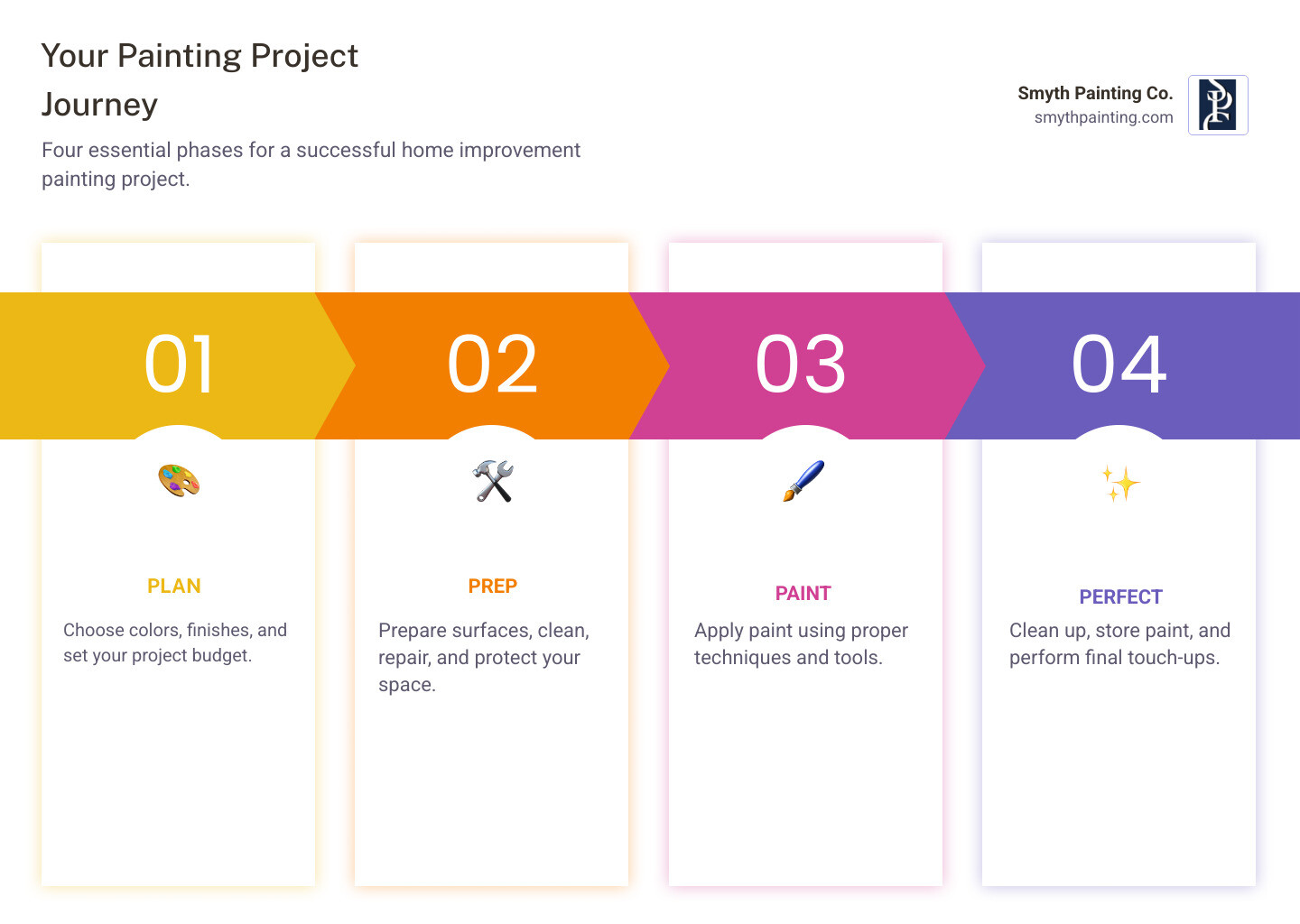
Essential Home improvement painting terms:
- Ceiling painting service
- Trim painting service
- Interior plaster repair
Step 1: Choosing the Perfect Color and Finish
Choosing the right color and finish is about more than aesthetics—it’s about creating an atmosphere and ensuring durability for your space.
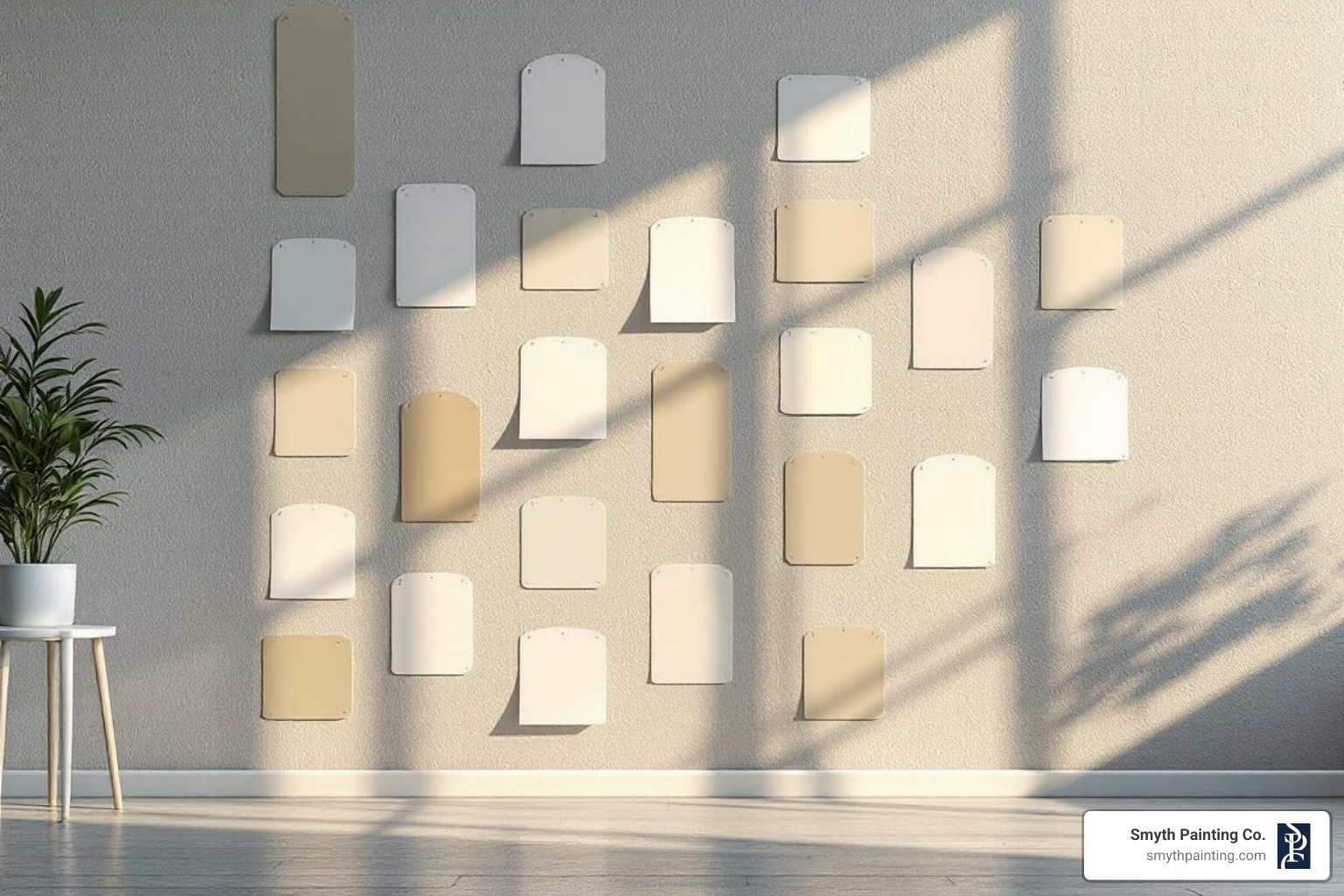
Popular interior colors like white, gray, and beige offer timeless versatility for homes in Rhode Island and SE Mass. However, a color’s impact goes beyond its hue.
Consider the size of your room:
- Light Colors Expand Space: In smaller rooms, like a Newport office, light pastels make the space feel larger and more open. Painting trim and walls the same light color improves this effect.
- Dark Colors Create Coziness: In a large Barrington living room, a dark, rich color can create a more intimate, cozy feel, perfect for a chilly New England evening.
Lighting is also crucial. A color swatch from the store can look different in your Jamestown home’s natural light or under the artificial glow of a lamp. We always recommend testing paint samples on a small section of your wall and observing them in your home’s specific lighting throughout the day to truly visualize the outcome.
How to Select the Right Paint Sheen
Beyond color, the paint’s sheen affects its appearance, durability, and cleanability. This is especially important for different rooms and traffic levels. You can learn more in our detailed guide: More info about paint finishes.
Here’s a breakdown of common paint sheens:
- Flat/Matte: Absorbs light, hiding imperfections. Its soft, non-reflective look is ideal for low-traffic areas like ceilings, but it’s less durable and harder to clean.
- Eggshell/Satin: These finishes have a slight sheen, offering more durability and easier cleaning than flat paints. They are perfect for moderate to high-traffic areas like living rooms and hallways in your North Kingstown home. Satin is slightly shinier than eggshell.
- Semi-Gloss: With a noticeable sheen, semi-gloss is highly durable and easy to clean. It’s the go-to choice for trim, doors, cabinets, and high-moisture areas like kitchens and bathrooms.
- Gloss: The most reflective and durable finish, gloss is typically reserved for surfaces requiring maximum protection, such as railings or furniture. It provides a dramatic look but will show every imperfection.
While “paint and primer in one” products can save time, a dedicated primer is often the best choice for significant color changes, challenging surfaces, or older homes with potential lead paint issues to ensure optimal adhesion and coverage.
| Sheen Type | Durability | Cleanability | Best For |
|---|---|---|---|
| Flat/Matte | Low | Low | Ceilings, formal living/dining rooms |
| Eggshell | Medium | Medium | Bedrooms, living rooms, hallways |
| Satin | Medium-High | Medium-High | Kids’ rooms, kitchens, bathrooms, laundry |
| Semi-Gloss | High | High | Trim, doors, cabinets, high-traffic areas |
| High-Gloss | Very High | Very High | Furniture, railings, accent details |
Step 2: Essential Prep Work and Tools
Meticulous preparation is the cornerstone of any successful home improvement painting project. Skipping this stage can lead to disappointing results, no matter the quality of the paint.

Here are the essential tools and supplies we recommend:
- Brushes: High-quality angled brushes (2-3 inches) for “cutting in” edges and trim.
- Rollers: A roller frame and covers (1/2 to 1-inch nap for most walls) for efficient coverage.
- Paint Tray & Liners: For easy paint loading and cleanup.
- Painter’s Tape: For creating crisp lines and protecting surfaces.
- Drop Cloths: Canvas or plastic cloths to protect floors and furniture.
- Spackling Compound & Putty Knife: For filling small holes and cracks.
- Sandpaper/Sanding Sponge: Fine-grit (120-220 grit) for smoothing patches and scuffing glossy surfaces.
- Cleaning Supplies: Buckets, sponges, mild detergent (like TSP), and lint-free cloths.
- Utility Knife/Scraper: For opening cans and scraping loose paint.
- Extension Pole: Attaches to your roller to safely reach high walls and ceilings.
Key Steps for Home Improvement Painting Prep
Proper room preparation ensures a smooth, long-lasting finish.
- Clear the Space: Move furniture out of the room or to the center. Remove wall hangings and curtains.
- Protect Surfaces: Cover floors with drop cloths and drape plastic over any remaining furniture.
- Clean the Walls: Dust and grime prevent proper paint adhesion. Wipe walls with a damp cloth. For greasy areas like kitchens, use a degreaser like Tri Sodium Phosphate (TSP) and rinse well.
- Repair Imperfections: Use spackling compound to fill nail holes and cracks. Once dry, sand the patches until they are flush with the wall. For glossy surfaces, lightly scuff with sandpaper to help the new paint adhere.
- Tape Off Trim: Apply high-quality painter’s tape to protect baseboards and trim. Press down firmly for a tight seal to prevent paint from bleeding underneath.
- Remove Outlet Covers & Fixtures: For a cleaner finish, remove switch plates, outlet covers, and light fixtures instead of painting around them.
- Priming Walls: Primer creates a uniform surface, improving adhesion and color vibrancy. We always recommend primer when covering stains, painting new drywall, making drastic color changes, or working in older homes. In historic Rhode Island properties, professional What to know about lead paint practices are critical. While “paint and primer in one” products are convenient, a separate, dedicated primer is superior for challenging surfaces. For more tips, see the Sherwin-Williams Project preparation tips.
Step 3: Pro Painting Techniques for a Flawless Look
With your room prepped, it’s time to apply the paint. Proper technique is essential for achieving a smooth, even, and streak-free finish.
Correct Painting Order
For interior painting, we follow a specific order to minimize drips and rework:
- Trim First: We recommend painting trim first, as it’s easier to tape off new trim than to cut in a perfect line against a freshly painted wall. See our A guide to trim painting.
- Ceilings Next: Once the trim is dry and taped, move to the ceiling. This prevents drips on fresh walls. For more, see our A guide to ceiling painting.
- Walls Last: Finally, with trim and ceilings protected, tackle the main walls.
Brush Technique: Cutting In
“Cutting in” is painting a straight line where surfaces meet. To do it well:
- Load the Brush: Dip your brush one-third into the paint and tap off the excess. Don’t wipe it on the rim.
- Angle and Pressure: Hold the brush like a pencil. Start slightly away from the edge, then move toward it, letting the bristles fan out to create a straight line.
- Feathering Edges: As you finish a section, lighten your pressure to “feather” the paint outward. This helps it blend seamlessly with the roller application.
- Work in Sections: Cut in one wall at a time to maintain a “wet edge” and avoid lap marks.
Roller Technique
Using a roller efficiently is key to even coverage:
- Load the Roller: Roll the cover in the paint tray until it’s evenly saturated but not dripping.
- Apply in W or M Pattern: Start a foot from a corner and apply paint in a large “W” or “M” pattern to distribute it evenly.
- Fill In: Without lifting the roller, fill in the pattern with vertical, overlapping strokes.
- Maintain a Wet Edge: Always roll into the previously painted, still-wet area to prevent lap lines.
- Top to Bottom: Paint from top to bottom to catch any drips as you work your way down.
- Avoid Overworking: Once paint starts to dry, leave it alone. Going over tacky paint can create unwanted texture.
For a more comprehensive overview, see A beginner’s guide to painting.
How Many Coats of Paint and Drying Times
- Number of Coats: Two coats are typically needed for proper coverage and durability. A second coat almost always provides a richer, more uniform color. If you’ve used a primer, you may only need one topcoat.
- Drying vs. Curing Time: It’s important to know the difference. Drying time is when paint is dry to the touch (a few hours), and you can recoat. Curing time is when the paint has fully hardened to maximum durability (days to weeks). Avoid scrubbing surfaces until fully cured.
- Recoat Times: Always check the paint can for specific recoat times. Applying a second coat too soon can cause bubbling or peeling.
- Humidity and Temperature Effects: High humidity slows drying, while good ventilation and moderate temperatures speed it up. Avoid painting in extreme cold or heat.
Step 4: Cleanup, Storage, and Fixing Common Mistakes
With the painting done, the final steps are cleanup, storage, and fixing any small mishaps. Proper cleaning extends the life of your tools, saving you money.
Cleaning Painting Tools
- Cleaning Latex Paint Brushes: Scrape off excess paint. Rinse the brush with warm water, then wash with mild soap until the water runs clear. Reshape the bristles and hang to dry.
- Cleaning Rollers: Scrape excess paint from the roller cover. Rinse thoroughly under warm water, squeezing until the water runs clear. Spin or roll on newspaper to remove excess water, then stand on end to dry.
- Cleaning Oil-Based Paint Tools: These require mineral spirits or paint thinner. Follow product instructions in a well-ventilated area and dispose of the contaminated thinner properly.
Storing Leftover Paint
Properly stored paint is useful for touch-ups for years.
- Airtight Seal: Wipe the can’s rim clean, replace the lid, and tap it down with a rubber mallet.
- Cool, Dry Place: Store paint cans upside down in a cool, dry place away from extreme temperatures, like a basement in your Little Compton home. This creates a tighter seal.
- Labeling: Label the can with the room and purchase date.
Disposing of Paint
- Latex Paint Disposal: Latex paint is not hazardous once dried. For small amounts, mix in cat litter or a paint hardener until solid, then dispose of with regular trash. Check for local recycling programs in Rhode Island and SE Mass for liquid paint.
- Oil-Based Paint Disposal: This is hazardous waste. Never pour it down the drain or throw it in the trash. Contact your local municipal waste department for hazardous waste collection information.
Common Home Improvement Painting Mistakes & Fixes
- Drips and Runs: Caused by too much paint. If wet, wipe and repaint. If dry, sand the drip smooth, feather the edges, and touch up.
- Brush Marks: Caused by not using enough paint or overworking it. If dry, lightly sand and apply a fresh, thin coat.
- Roller Marks (Lap Marks): Caused by not maintaining a wet edge. Fix by lightly sanding and reapplying an even coat, ensuring you keep a wet edge.
- Peeling Tape / Paint Bleed: Caused by poor quality tape or leaving it on too long. Score the tape edge with a utility knife before peeling. Touch up bleed with a small artist’s brush.
- Lint or Dust in Paint: Caused by a dirty workspace or tools. If wet, pick out the lint with tweezers. If dry, lightly sand and touch up.
For more strategies, see our guide on How to avoid DIY painting pitfalls.
Step 5: DIY Project or Hire a Professional Painter?
The question of whether to tackle a home improvement painting project yourself or hire a professional is a common one. Understanding the pros and cons will help you decide.
DIY Benefits
The main benefits of DIY are cost savings, the sense of accomplishment from changing your own space, and the flexibility to work on your own schedule.
When to Hire a Pro
While DIY is appealing, certain scenarios warrant calling in experts:
- Large-Scale Projects: Painting an entire house is a massive job. Professionals have the crew and equipment to finish it much faster.
- High Ceilings & Hard-to-Reach Areas: These require special equipment and safety expertise, making them best left to pros.
- Detailed Trim Work or Complex Surfaces: Historic homes in Aquidneck Island often feature intricate details that demand a delicate, professional touch.
- Lead Paint Concerns: If your home was built before 1978, lead paint may be present. Certified professionals like us use lead-safe work practices to ensure your family’s safety.
- Lack of Time or Physical Ability: If you don’t have the time for proper prep and painting, hiring a pro is a wise investment.
- Desire for a Perfect Finish: A truly flawless, long-lasting finish requires years of experience and specialized tools.
Professional Benefits
When you choose a professional like Smyth Painting Co., you’re investing in:
- Expertise: We bring years of experience to find the best solutions for every surface.
- Efficiency: Our teams work systematically to minimize disruption to your life.
- Proper Equipment: We use professional tools for a superior result and a cleaner work environment.
- Quality Results: We guarantee a durable finish that increases your home’s value.
- Stress-Free Experience: We manage the entire process, so you can relax.
Finding the Right Painting Contractor
If you decide to hire a professional, choosing the right one is key:
- Check References: Ask for and call recent clients to inquire about their experience and the contractor’s professionalism.
- Verify Insurance and Licenses: Ensure the contractor has full liability and worker’s compensation insurance. This protects you from liability for accidents.
- Get a Detailed Quote: A professional quote should detail the scope of work, prep steps, paint types, timeline, total cost, and payment schedule.
- Communication is Key: A good contractor will answer your questions thoroughly and be responsive. Clear communication ensures your expectations are met.
- Lead-Safe Certification: For homes built before 1978, confirm the contractor is EPA-certified in lead-safe work practices. This is a non-negotiable safety requirement.
Conclusion: Transform Your Home with Confidence
Home improvement painting offers an incredible opportunity to refresh your living spaces, improve your home’s value, and express your personal style. Whether you’re undertaking a small DIY refresh or starting on a major change, the principles of planning, preparation, and proper technique are your keys to success.
We’ve covered everything from choosing the perfect color and sheen to mastering essential prep work, applying paint like a pro, and cleaning up responsibly. We’ve also explored the benefits of DIY versus when it’s truly best to call in the professionals. A fresh coat of paint isn’t just about changing a color; it’s about revitalizing your cherished living spaces and creating an atmosphere you’ll love.
For projects that require an expert touch, especially in historic homes, with high ceilings, or complex surfaces in Rhode Island and SE Mass, our team at Smyth Painting Co. is here to help. We pride ourselves on delivering professional quality, meticulous detail, and a stress-free experience from start to finish. Let us bring your vision to life with vibrant colors and lasting finishes, ensuring your home looks its absolute best.
Explore our residential painting services


