
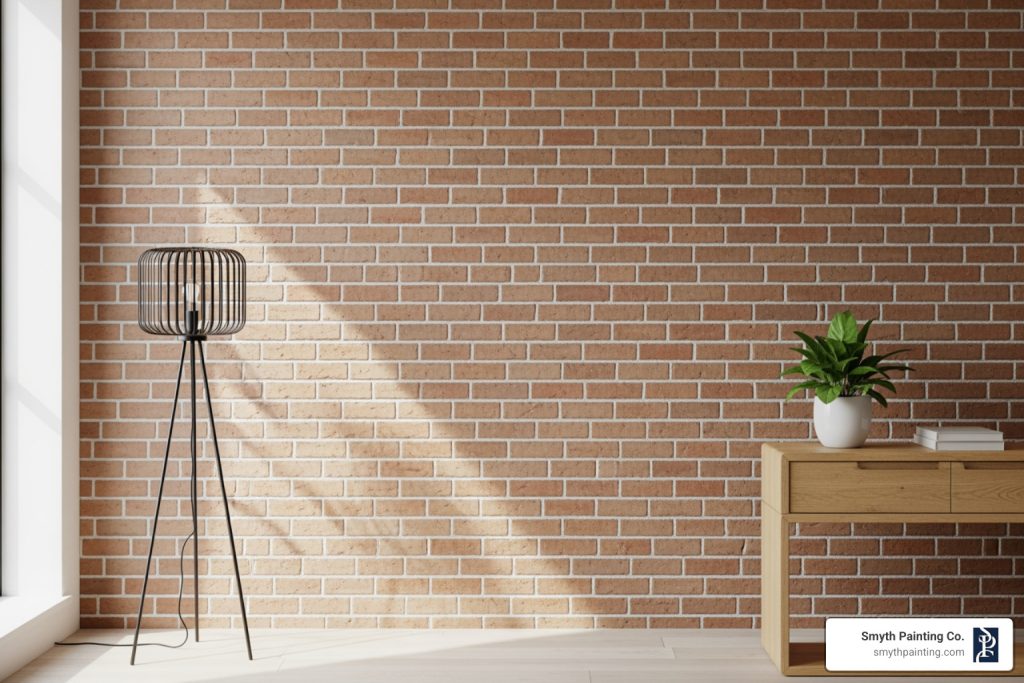
Why Refinishing Interior Brick Wall Matters for Your Home
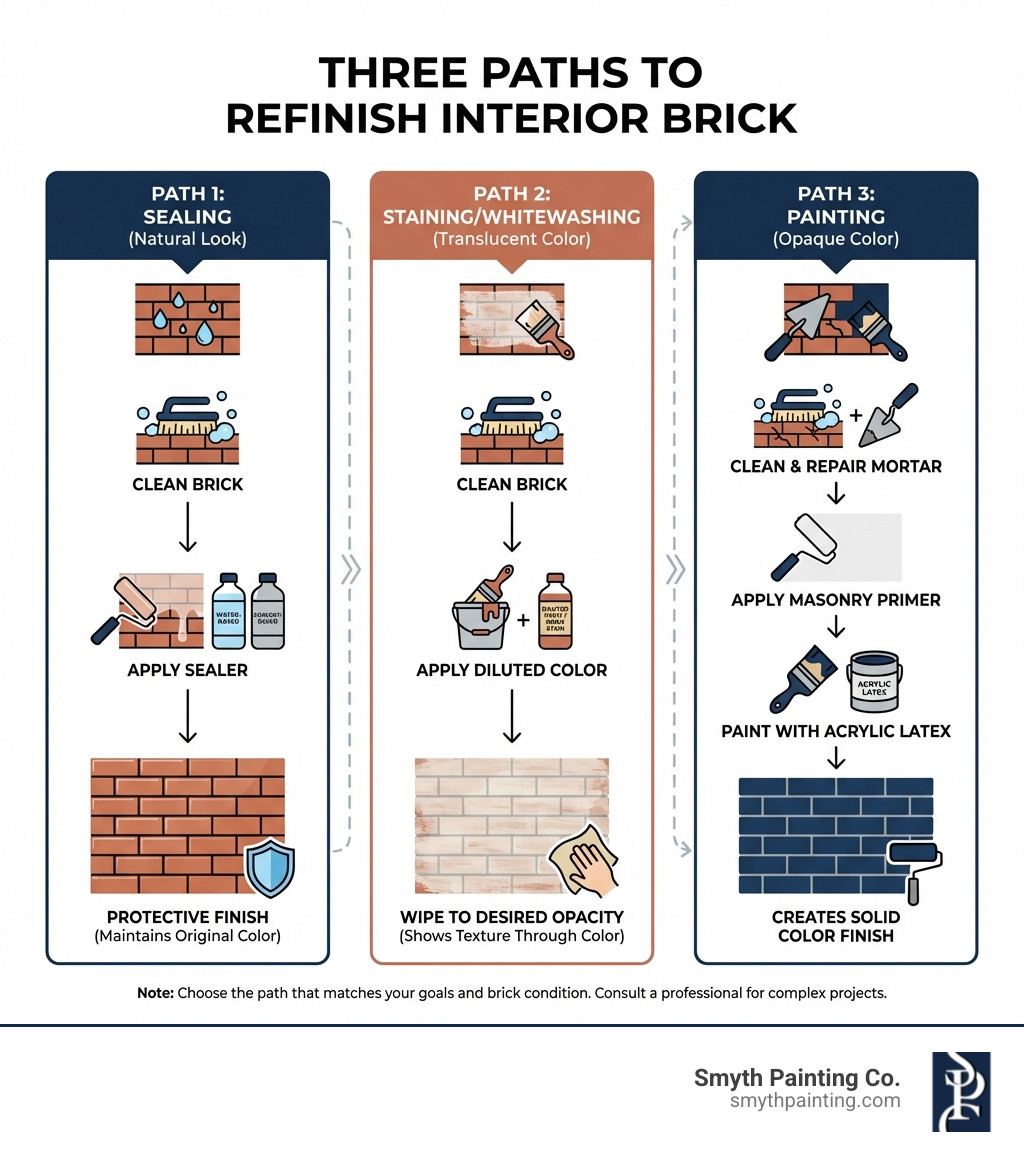
Refinishing interior brick wall projects offer homeowners several change paths to update their space:
- Sealing – Protects the brick while maintaining its natural appearance with minimal sheen
- Staining/Whitewashing – Adds translucent color while allowing the brick’s texture and character to show through
- Painting – Provides complete color coverage for a modern, clean look (note: this is largely irreversible)
Exposed brick walls bring warmth and character to any room, but they can also look dated, grimy, or simply out of sync with your design vision. Maybe you’ve stared at that brick wall for years, wondering if you should do something about it. You’re not alone—many homeowners hesitate because they’ve heard that once you paint brick, there’s no going back.
The good news? You have options beyond just painting. From gentle cleaning and sealing to whitewashing and full paint coverage, there’s a refinishing approach that matches your goals and your brick’s condition.
The catch? Brick is porous. This single fact drives every decision you’ll make. Paint soaks deep into those nooks and crannies. Cleaning solutions react with the masonry. Even sealers behave differently depending on your brick’s age and composition. Understanding this porosity—and how to work with it—is the key to a successful refinishing project.
As Douglas Smyth, founder of Smyth Painting Company, I’ve guided countless homeowners through refinishing interior brick wall projects across Newport County and Rhode Island since 2005, working with everything from century-old historic bricks to modern installations. Whether you’re tackling a fireplace surround or an entire accent wall, this guide will walk you through the complete process—from assessment and cleaning to choosing and applying your finish.
Before You Begin: Assessing and Preparing Your Brick Wall
Before choosing colors and finishes, proper preparation is paramount. The best foundation for any painting project is proper prep; without it, even the most beautiful finish won’t last. This stage involves assessing your brick wall’s condition, meticulous cleaning, and any necessary repairs.
The Essential Cleaning Process
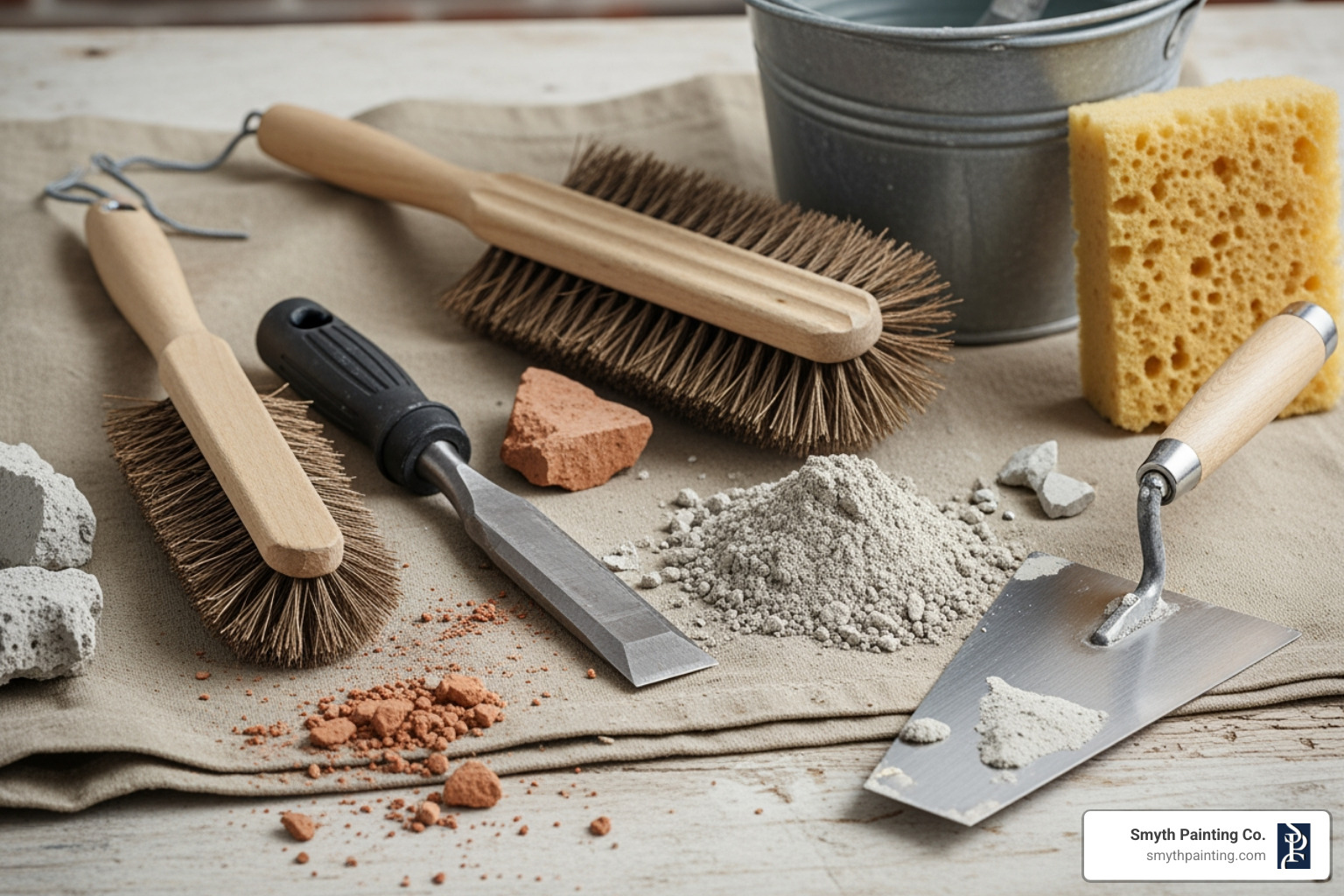
Cleaning interior brick requires a careful approach due to its rough, fragile texture. Abrasive methods or harsh chemicals can damage old brick and mortar or cause discoloration. The goal is to clean effectively without causing harm.
First, remove all loose debris. Start by dusting the wall with a feather duster or using a vacuum cleaner with a brush attachment to get into all the nooks and crannies. This removes cobwebs, dust, and any loose dirt.
Next, for general dirt and grime, we recommend a gentle, yet effective, DIY cleaning paste. The best cleaning method for moderately to heavily soiled interior brick is using a mixture of equal parts dishwashing detergent and table salt. For tougher stains, you can consider a solution of vinegar and water, but always test in an inconspicuous area first.
Here’s how to use the salt and dish soap method:
- Mix the paste: Combine equal parts dishwashing detergent and table salt in a bucket until it forms a thick paste.
- Apply to small sections: Rub the cleaning paste over the brick in small sections using your hands (wearing gloves, of course!) or a wet rag.
- Scrub gently: For stubborn areas, use a stiff-bristled scrub brush. Gently brush newer brick if necessary. For mortar lines, an old toothbrush can work wonders.
- Let it sit (if needed): If the wall is particularly dirty, let the paste sit for about 10 minutes to allow it to penetrate and break down the grime.
- Rinse thoroughly: Wipe away the paste with a clean rag and warm water. It is critical to rinse bricks following cleaning to remove any residue. Old rags with lint or paper products tend to leave behind more dust and debris on the brick than when you started, so opt for lint-free wiping rags.
- Allow to dry completely: This step is crucial. If you plan to paint or seal, the brick must be completely dry. This can take several days, especially if you’ve used a lot of water. Damp brick can cause paint to peel, so a moisture meter can be helpful for verification.
Repairing Mortar and Minor Damage
Once clean, inspect the brick for areas needing repair. While exposed brick offers a rustic look, crumbling walls detract from the aesthetic and can indicate stability issues. Repointing improves both appearance and stability, which is especially important for the 100+ year old brick walls found in many Providence and Newport homes.
- Identify loose or damaged mortar: Look for crumbling, cracked, or missing mortar between the bricks.
- Chisel away old mortar: Using a hammer and a mortar chisel, carefully remove the loose or damaged mortar to a depth of between 1/2-inch and 1-inch. Wear safety goggles and a mask to protect yourself from dust and debris. Chisel carefully to avoid damaging the actual brick.
- Clean the cavity: Use a wire brush to clean out any remaining debris from the mortar joints. Moisten the brick with water before applying new mortar; this helps the new mortar bond better and prevents the dry brick from drawing moisture too quickly from the fresh mix.
- Mix masonry mortar: Prepare your masonry mortar according to the manufacturer’s instructions.
- Apply new mortar: Fill the vertical joints first, then the horizontal joints. You can use a masonry trowel for this, or for a one-time, smaller project, a metal spoon can be a cheaper and simpler alternative.
- Smooth the joints: While the mortar is still wet, smooth it to match the existing mortar lines. Wipe away any excess wet mortar immediately with a damp rag.
- Curing time: Allow the new mortar to cure completely. This typically takes at least one month for new brick and mortar before any finishing applications like paint.
- Filling cracks: For minor cracks in the brick itself, you can fill them with acrylic caulk after priming if you plan to paint. Flaws like cracks or small holes become more noticeable after painting, so addressing them beforehand is key.
If you encounter significant structural issues, large cracks, or deeper gaps than 1 inch, we highly recommend consulting a professional mason. Sometimes, what looks like a simple repair can indicate underlying issues that require expert attention. For more extensive restoration needs, we at Smyth Painting Co. offer comprehensive residential painting services, including brick repair and restoration. More info about our restoration services
Choosing Your Finish: Sealing, Staining, or Painting?
This is where your vision for your refinishing interior brick wall project truly comes to life! The choice between sealing, staining, or painting depends on several factors: your aesthetic goals, the level of durability you desire, the maintenance you’re willing to commit to, and how permanent you want the change to be. Brick’s porous nature plays a huge role in all these decisions.
| Feature | Sealing (Natural Look) | Staining (Translucent Color) | Painting (Opaque Color) |
|---|---|---|---|
| Final Look | Improves natural color, can add mild sheen | Changes brick color while retaining natural variations/texture | Uniform solid color, covers imperfections, softens mortar lines |
| Reversibility | Generally reversible (cleaners can remove some sealers) | Not reversible (stain penetrates the brick) | Nearly irreversible (paint soaks into pores) |
| Breathability | Maintains brick’s breathability | Maintains brick’s breathability | Significantly reduces breathability (can trap moisture) |
| Maintenance | Low (reapply every few years) | Low (can last as long as the brick itself) | Medium (requires cleaning, repainting every 3-5 years) |
The Ultimate Guide to Refinishing Interior Brick Wall
Now that our brick wall is pristine and repaired, let’s explore the application techniques for each finishing option.
Sealing as a Method for Refinishing Interior Brick Wall
Sealing primarily protects your brick. A good sealant prevents dust, makes cleaning easier, and protects against moisture. It preserves the brick’s authentic texture and natural beauty.
When choosing a sealant, consider water-based versus solvent-based options and the desired sheen.
- Water-based sealers: These are low-fume, easy to apply, and clean up. They typically provide a flat or matte finish, maintaining the brick’s original feel while protecting new mortar.
- Solvent-based sealers: These offer deeper penetration and a higher sheen but require good ventilation and a respirator during application. Products like Miracle 511 Porous Plus are solvent-based, rated for brick, and absorb completely with no added sheen or color.
For a subtle, non-glossy sheen, some homeowners use plain shellac, which can hold up well even on older brick.
Application:
Apply sealant evenly with a brush or roller, ensuring full coverage without puddling. Follow the manufacturer’s instructions for coats and drying times.
Staining and Whitewashing for a Rustic Makeover
Staining and whitewashing are fantastic options for changing the color of your brick while still allowing its natural texture and variations to show through. This is key: staining brick emphasizes the brick’s color, while painting emphasizes texture.
- Stain vs. Paint: Brick stain is a permanent surface finish that darkens or colors the brick. It’s a mineral product that soaks into the brick and becomes a part of it, meaning it won’t chip, bubble, or pull away. Crucially, stain allows brick to breathe, whereas paint seals the pores. Stain cannot be applied to painted brick, but paint can be applied to stained brick. Interior brick stain can essentially last for as long as the brick lasts. Water-based brick stain is recommended for its ease of application and breathability.
- DIY Whitewash: This is a popular technique that involves diluting white latex paint with water. The dilution ratio determines the sheerness and opacity. A common starting point is a 1:1 ratio of paint to water, but you can adjust this to your preference. For a lighter, thinner coat, add more water. Brands like Krylon and Giani offer ready-to-use whitewash paint specifically formulated for brick, which often penetrates the surface like a stain.
Application Process for Staining/Whitewashing:
- Test the mixture: Always test your whitewash or stain mixture on a small, inconspicuous area first to achieve the desired sheerness and color. You can practice with clear water to understand stain consistency and absorption.
- Prepare your workspace: Protect surrounding areas and floors with painter’s tape and drop cloths.
- Mix the stain/whitewash: If using DIY whitewash, mix equal parts water-based paint and water. Stir frequently, as pigment can settle.
- Apply in small sections: Apply the mixture with a brush in smooth, overlapping coats. Work in small sections (e.g., 4-6 bricks) to manage the drying time.
- Wiping back technique: This is what gives whitewash its translucent effect. After applying, wipe away excess whitewash within a few minutes (e.g., three minutes is often recommended) using a clean rag. This allows more of the masonry’s natural color and texture to show through. Replace rags as they become saturated.
- Customize opacity: If you desire more coverage, allow the first coat to dry (usually a couple of hours) before applying additional coats and repeating the wiping process. Go easy on staining mortar, as it tends to absorb more stain than the brick itself.
- Curing: Allow the stained or whitewashed brick to cure fully. For whitewash, a full cure time of 14 days is recommended before scrubbing.
The impact of staining on masonry is significant. It’s a way to refresh your brick without losing its inherent character, making it a favorite for those aiming for a rustic or farmhouse aesthetic in their Rhode Island homes.
Step-by-Step: The Process for Refinishing Interior Brick Wall with Paint
Painting an interior brick wall offers a fresh, updated look but is a major commitment. Because brick is porous, paint soaks in deep, making it nearly impossible to fully strip back to the original surface. The change is effectively permanent, so choose your color wisely!
- Irreversibility Check: Before you even open a can of paint, be 100% sure you want to paint. If you’re consistently questioning whether or not to paint your brick, it’s likely a project that will pay off. If you hate the brick wall as it is, painting it will at worst break you even.
- Protect Your Space: Lay down drop cloths and use painter’s tape to carefully tape off all adjoining surfaces, trim, and the ceiling.
- Priming is Key: This step is non-negotiable for raw brick. Brick is incredibly porous, and without primer, the paint will soak in unevenly, require many more coats, and won’t adhere properly. Masonry primers are generally thicker, provide a protective coat against raw brick, and act as a binding agent for your topcoat of paint. They also have great stain-blocking qualities, which is crucial for brick that might have efflorescence or other discolorations. If your brick has never been painted, apply 1 to 2 coats of primer.
- Recommended Primers: Look for high-quality masonry primers like Zinsser Bondz Primer, Behr Masonry Primer, or Zinsser Bulls Eye Primer.
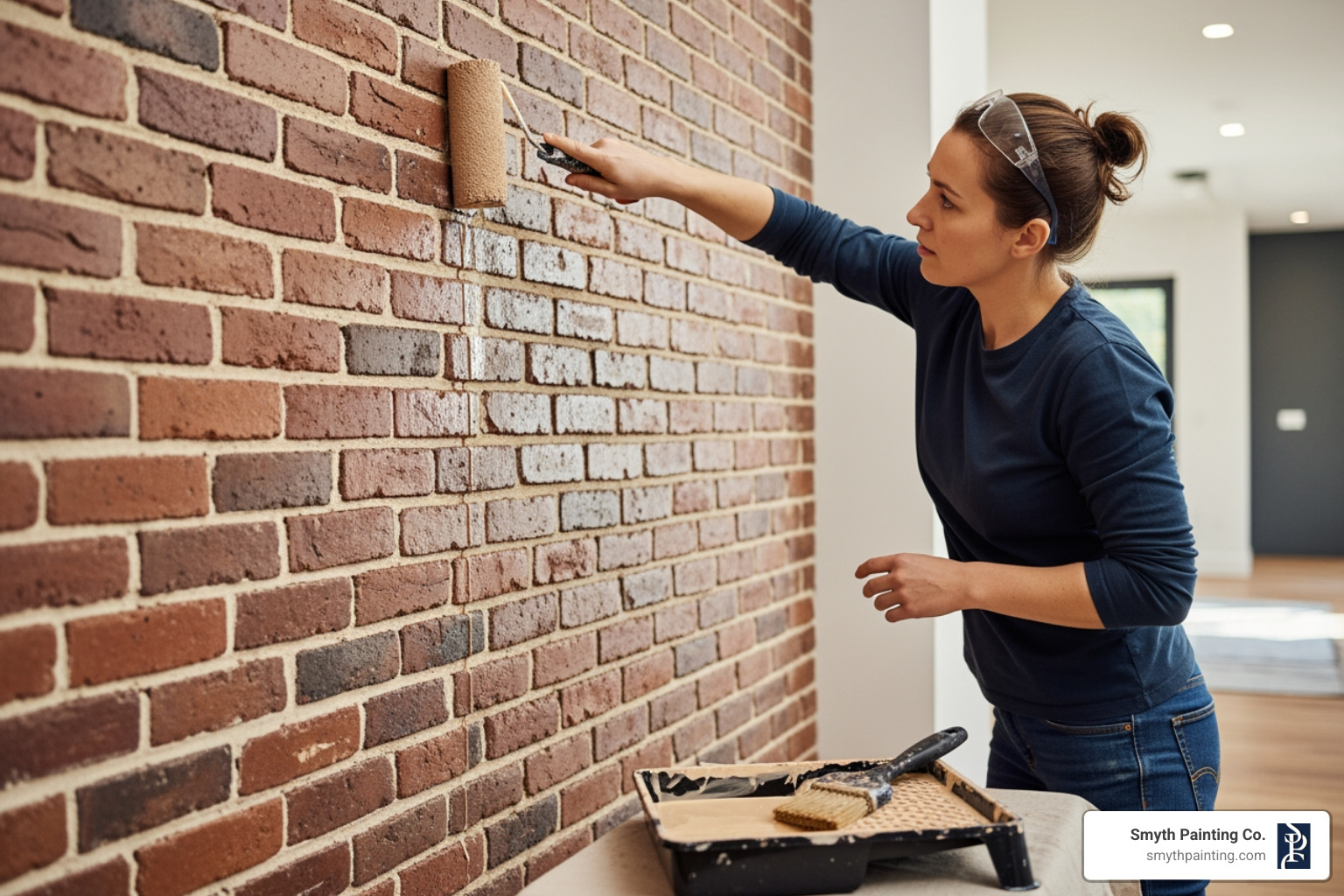
- Application: Roll primer onto the face of the brick, then use a short-handled angle brush or a smaller brush for mortar lines and deep crevices. Work from top to bottom to catch any drips.
- Fill Flaws (Optional but Recommended): After priming, if you notice any small cracks or holes that weren’t addressed during mortar repair, you can fill them with acrylic caulk. This will create a smoother finish once painted.
- Best Paint for Brick: The best paint for both exterior and interior brick is acrylic latex paint. It resists moisture penetration while also providing a permeable coating that allows water vapor to escape. This breathability is essential for the long-term health of your brick. For interior dry brick, you have flexibility with sheen (flat, eggshell, satin, semi-gloss). Flat finishes offer a traditional look, while semi-gloss and high-gloss finishes are easier to clean.
- Choosing Color: Using interior acrylic latex paint means you can choose any color you want for your brick. Not all brick walls have to be painted white. Consider bolder colors like charcoal, deep green, or softer neutrals like taupe.
- Application Methods:
- Tools: You’ll need high-nap rollers (3/8″ or more) for the brick faces, a short-handled angle brush for mortar lines and edges, and foam brushes or artist’s paintbrushes for tight crevices and detail work. A paint sprayer can significantly cut down time, but ensure it can handle thicker masonry primer and paint.
- First Coat: Start by painting the mortar lines and edges with your brush. Then, use your roller for the main brick faces, working from top to bottom. Apply paint evenly, avoiding pressing too hard, which can cause drips. Unload excess paint from the brush on a brick face to prevent drips.
- Second Coat: Allow the first coat to dry completely according to the paint manufacturer’s instructions. Then, apply a second coat using the same method. You’ll likely need at least twice the amount of paint for a brick surface compared to a typical wall surface due to its porosity and texture.
- Finishing Touches: Remove painter’s tape immediately while the paint is still wet to ensure clean lines and prevent paint from peeling with the tape. Allow the paint to dry completely before returning furniture or decorating.
Painting a brick wall can be a very rewarding DIY project, but if you’re in Rhode Island or SE Mass and prefer a professional touch, we’re here to help. Our team provides high-quality, detailed work with excellent communication and eco-friendly options, ensuring a smooth, stress-free customer experience. Our Interior Painting Services
Special Considerations for Your Brick Project
Every brick wall has its own story, especially those in historic homes throughout Rhode Island. Understanding these nuances can make or break your refinishing interior brick wall project.
Dealing with Very Old (100+ Year) Brick
Many homes in our service areas of Newport, Bristol, and Providence boast beautiful brickwork dating back over a century. Refinishing these venerable walls requires extra care:
- Increased Porosity: Older bricks, particularly those intended for interior use and often of lower quality than exterior bricks, tend to be even more porous. This means they’ll absorb cleaners, stains, and paints more readily.
- Softer Material: Century-old bricks and their original mortar can be softer and more fragile than modern materials. Abrasive cleaning methods or harsh chemicals can cause irreversible damage.
- Gentle Cleaning is Paramount: Stick to the mildest cleaning methods first. The salt and dish soap paste is ideal. Avoid pressure washing at all costs, as it can damage brick faces and chip away mortar.
- Breathable Finishes: For very old brick, breathable finishes are crucial. Stain, whitewash, or limewash are generally preferred over opaque paint, as they allow the brick to “breathe” and moisture vapor to escape. Sealing with a breathable, water-based product is also a good choice. Trapping moisture behind a non-breathable paint layer can lead to issues like efflorescence (splotchy white salt deposits) or even structural deterioration over time.
- Structural Integrity: If your 100+ year old brick wall has significant cracks or crumbling mortar, address these structural issues first. These could be signs of deeper problems, and a professional mason should be consulted.
How to Achieve a Distressed or Antique Look
Sometimes, the goal isn’t a pristine, solid color, but rather a charmingly weathered, lived-in feel. This is particularly popular for achieving that “farmhouse aesthetic” or enhancing the historic character of a space.
- Sanding Techniques: After applying a coat of primer and/or paint, you can use fine-grade sandpaper or steel wool to gently rub away some of the finish, especially on the raised parts of the brick. Vary the depth and speed of sanding for a more authentic, random look.
- Selective Paint Removal: For a more dramatic distressed effect, you can apply a paint stripper or even turpentine in random, small areas after the paint has dried. This will expose portions of the original brick or primer underneath.
- Layering Colors: Apply a base color, then a lighter (or darker) topcoat, and then distress through the topcoat to reveal hints of the base color.
- Using Primer as a Finish: One homeowner shared their experience of trying to whitewash, then deciding to simply leave the primer as the final finish. The primer provided a beautiful chalky, aged look that they loved, proving that sometimes, less is more, and happy accidents can create genuinely random, antique aesthetics. This can be a great way to achieve an “efflorescence” look without the actual salt deposits.
The Importance of Neutralizing After Cleaning
If you’ve used an acidic cleaner like Sureklean 600 (a common product for masonry), neutralizing the wall afterward is a critical step, especially indoors.
- Acidic Cleaners and Chemical Reactions: Sureklean 600 is an acidic product (hydrochloric acid). If not properly neutralized, the acid can continue to react with the masonry over time, potentially damaging the brick or mortar. More immediately, residual acid can interfere with the adhesion of any subsequent sealants, stains, or paints, leading to premature peeling or discoloration.
- What is Neutralization? Neutralization is the process of bringing the pH of the surface back to a neutral level. For acidic residues, this means applying a base.
- Baking Soda Solution: Indoors, where you can’t simply flood the wall with a hose or pressure washer (as you would outdoors), a common and effective neutralizer is a baking soda solution. Mix about 2 ounces of baking soda (a mild base) per gallon of water. Apply this solution to the brick wall after cleaning, let it sit for a few minutes, then rinse thoroughly with clean water.
- Why it’s Crucial for Paint/Sealer Adhesion: If you skip neutralization, the residual acidity can prevent primers, paints, or sealers from bonding correctly to the brick surface. This can lead to patchy application, poor adhesion, and ultimately, a finish that fails prematurely. It’s an extra step that saves a lot of headaches down the line.
Frequently Asked Questions about Finishing Interior Brick
Here are some common questions we get asked about refinishing interior brick wall projects:
Can you paint directly over brick without priming?
No, we strongly advise against painting directly over brick without priming. Brick is highly porous, and a masonry primer is essential for several reasons: it seals the surface, prevents the paint from soaking in excessively (saving you paint and money!), ensures proper adhesion of your topcoat, and helps block any stains like efflorescence from bleeding through your new paint. Skipping primer will likely result in a patchy finish, poor durability, and a lot of frustration.
Is painting an interior brick wall a good idea?
It can absolutely be a great idea! Painting an interior brick wall can give your space an updated, modern, and fresh look, or soften the appearance of mortar lines. It’s particularly good for dry interior brick, like a fireplace or an accent wall, when you want a solid color that minimizes the look of mortar lines. However, it’s a very permanent decision. Painting brick isn’t 100% irreversible, but it’s pretty close. Once applied, paint is extremely difficult to strip back to its natural state, as it penetrates deeply into the brick’s pores. So, if you choose to paint, ensure you love the color and are committed to the change.
What’s the best way to clean a brick wall before finishing?
The best way to clean your interior brick wall before any refinishing project is to start gently and thoroughly. First, remove all loose debris with a wire brush and a vacuum cleaner with a brush attachment. For general dirt, grime, and soot, a paste made of equal parts dishwashing detergent and table salt is highly effective and gentle. Apply this paste, scrub with a non-metallic stiff-bristled brush (an old toothbrush is great for mortar lines), let it sit for about 10 minutes if very dirty, and then rinse thoroughly with warm water and clean, lint-free rags. Always allow the wall to dry completely for several days before applying any finish. Avoid harsh chemicals and abrasive cleaning methods, especially on older brick.
Conclusion
Refinishing interior brick wall projects offer a fantastic opportunity to transform your living space, adding character, warmth, or a fresh, modern aesthetic. Whether you opt for the subtle improvement of sealing, the rustic charm of staining or whitewashing, or the dramatic change of painting, the key to a successful outcome lies in thorough preparation and understanding the unique properties of brick.
Prep work is truly key – from carefully cleaning and repairing mortar to choosing the right products for your specific brick type and desired look. The transformative results, whether a refreshed natural look or a completely new color, bring immense DIY satisfaction.
For a flawless, professional finish on your next project, trust the experts at Smyth Painting Co. We pride ourselves on high-quality, detailed work, offering eco-friendly options and a smooth, stress-free customer experience throughout Rhode Island and SE Mass. Contact us for your interior painting project today!


