

Why the Question of Using Exterior Paint Indoors Matters
Exterior paint indoors is a question that comes up more often than you might think. Maybe you’ve got leftover paint from a recent outdoor project, or perhaps you’re wondering if that durable exterior formula could work on your high-traffic hallways.
Quick Answer: Using exterior paint indoors is not recommended. Here’s why:
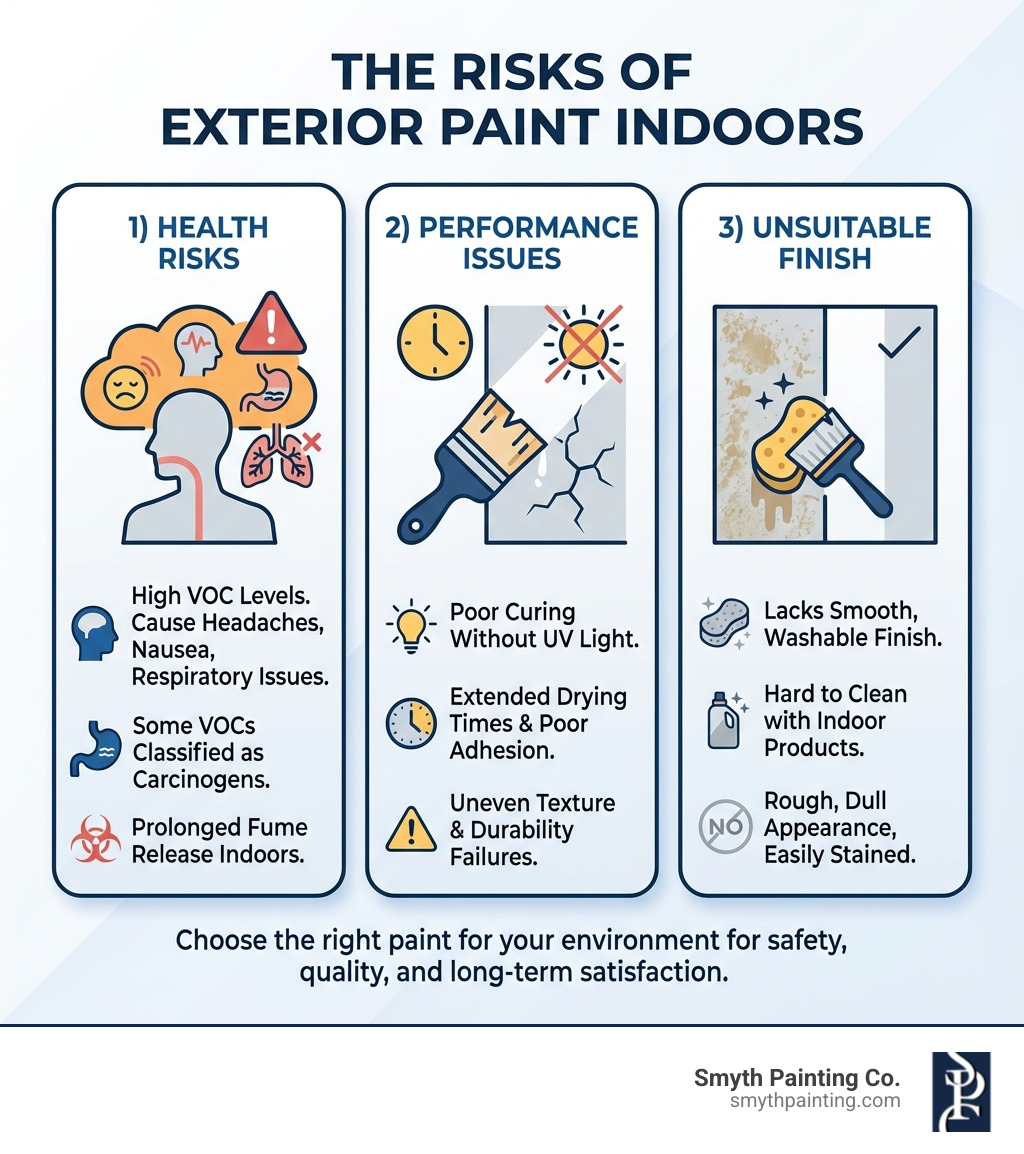
- Health Risks: Exterior paints contain significantly higher levels of Volatile Organic Compounds (VOCs) that continue to release harmful fumes indoors for months or even years after application
- Performance Issues: Exterior paint may not cure properly indoors without UV light and airflow, leading to extended drying times and poor adhesion
- Unsuitable Finish: Exterior paints are formulated for durability against weather, not for the smooth, washable finish you need inside your home
- Lingering Odors: The strong chemical smell from exterior paint can persist in enclosed spaces without adequate outdoor ventilation
The reality is simple: interior and exterior paints are formulated for completely different environments. Exterior paints include weather-resistant additives, mildewcides, and flexible resins that make them unsuitable—and potentially hazardous—for indoor use. While you can technically apply exterior paint inside, doing so can degrade your indoor air quality, pose health risks to your family, and result in a finish that deteriorates faster than proper interior paint.
I’m Douglas Smyth, founder of Smyth Painting Company, and over nearly two decades I’ve seen homeowners make the mistake of using exterior paint indoors with their leftover supplies, often requiring costly remediation. Through hundreds of residential projects across Newport County and greater Rhode Island, I’ve learned exactly why the right paint for the right application matters for your health, your home’s appearance, and your long-term satisfaction.
Key Differences: Why Interior and Exterior Paints Aren’t Interchangeable
When you walk into a paint store, you’ll immediately notice the clear distinction: interior paint and exterior paint. This isn’t just clever marketing; these paints are engineered with fundamentally different purposes, ingredients, and performance characteristics in mind. Trying to use one for the other is a bit like wearing a raincoat to a sauna – it’s just not designed for that environment, and you’ll quickly find yourself uncomfortable and regretting the decision!
Let’s break down the core differences that make them non-interchangeable:
| Attribute | Interior Paint | Exterior Paint |
|---|---|---|
| Primary Use | Aesthetics, easy cleaning, low odor, smooth finish for indoor surfaces. | Weather resistance, UV protection, durability against elements, mildew deterrence for outdoor surfaces. |
| Binders | Formulated for smooth, hard, scrubbable surfaces, resistant to scuffs and stains. | Flexible acrylic resins that expand and contract with temperature changes, adhere to outdoor materials. |
| Additives | Low VOCs, stain resistance, washability, scratch resistance. | High VOCs, mildewcides, UV inhibitors, fade resistance, anti-chipping agents, weather-resistant compounds. |
| VOC Level | Typically low or zero VOCs, designed for healthy indoor air quality. | Significantly higher VOCs due to weather-resistant additives. |
| Durability | Resists abrasion, scuffs, and stains from indoor traffic; designed for aesthetics and cleaning. | Resists harsh weather, UV radiation, moisture, temperature fluctuations, cracking, and peeling. |
| Finish | Wide range of sheens (flat to high-gloss) for aesthetic appeal and varied light reflection. | Often satin, semi-gloss, or flat; formulated for protection, less emphasis on delicate aesthetic smoothness. |
Paint Composition and Purpose
The magic – or rather, the science – is in the ingredients.
Interior paints are designed to be beautiful, easy to clean, and safe for enclosed spaces. Their binders and resins are formulated to create a smooth, hard finish that stands up to scuffs, stains, and frequent washing. They prioritize low odor and minimal off-gassing, which is crucial for maintaining healthy indoor air quality for your family and pets in your Rhode Island home.
Exterior paints, on the other hand, are built like tiny superheroes, ready to battle the elements. They contain specialized, flexible acrylic resins that allow them to expand and contract with the extreme temperature swings we experience here in Southern New England, from freezing winters to humid summers. These paints are packed with robust additives: powerful mildewcides to combat mold and mildew in damp conditions, UV inhibitors to prevent fading from the relentless sun, and anti-chipping agents to withstand impacts and general wear. These components make them incredibly durable outdoors, but also problematic when brought inside.
Understanding the various types of finishes and what they’re designed for can also help you make the right choice. For a deeper dive into how different sheens affect your walls, check out our guide on Paint Finishes: A Simple Guide.
Durability and Finish
The durability you need for a kitchen wall is very different from what’s required for the siding of your Newport home. Interior paints are scrubbable, allowing us to easily wipe away fingerprints, scuffs, and everyday grime without damaging the finish. They’re formulated to look good and stay clean in a controlled indoor environment.
Exterior paints offer a different kind of durability. They create a protective shell that resists rain, snow, wind, and intense UV rays. This ruggedness often comes at the expense of a delicate finish. While some exterior paints come in satin or semi-gloss, they are engineered for protection first, not the silky-smooth aesthetic often desired for interior walls. When used indoors, this protective texture can feel out of place and may not provide the easy-to-clean surface you expect. Moreover, interior paints are designed to resist the wear and tear of indoor life, such as constant touching, rubbing against furniture, and general household activity, while exterior paints are built to endure external forces.
The Hidden Dangers: Health Risks of Using Exterior Paint Indoors
The most significant and often overlooked reason to avoid using exterior paint indoors is the potential health hazard it poses. While that leftover can of exterior paint might seem like a budget-friendly solution for an indoor project, it comes with a hidden cost: your family’s health.
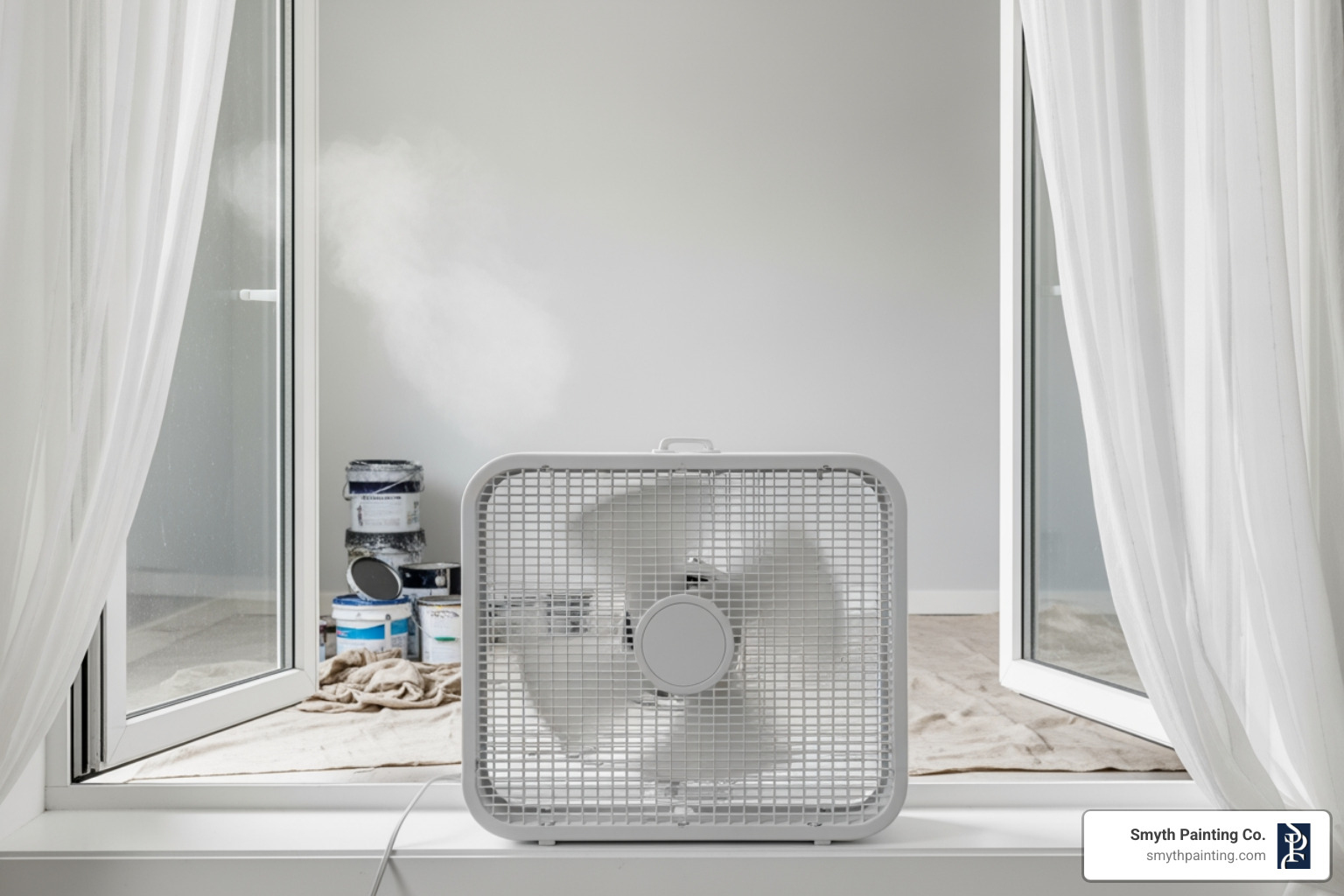
Exterior paints are designed to dry and off-gas in the open air, where fumes can dissipate harmlessly. Indoors, however, these fumes become trapped, creating an unhealthy environment. This off-gassing, the release of chemicals into the air, can continue for months or even years as the paint cures. This prolonged exposure can lead to a range of health issues, from immediate discomfort to serious long-term risks. Think of it like trying to air out a wet dog inside a sealed closet – the smell (and the chemicals) have nowhere to go!
Short-term symptoms from exposure can include irritation to the eyes, nose, and throat, headaches, nausea, and dizziness. For individuals with respiratory sensitivities, children, pets, or pregnant individuals, these effects can be more severe.
Understanding VOCs and Their Impact on Air Quality
The primary culprits behind these health concerns are Volatile Organic Compounds (VOCs). These are chemicals released as gases from the paint as it cures and dries. Exterior paints have significantly higher amounts of VOCs than interior paints because they are formulated with robust weather and fade-resistant additives. Some exterior paints continue to release VOCs for years after drying.
Without proper ventilation, these higher levels of VOCs can degrade your indoor air quality. The EPA provides extensive information on the Impact on indoor air quality from VOCs, highlighting their potential to cause a variety of health problems. What’s more concerning is that some VOCs are classified as carcinogens, meaning they have the potential to cause cancer with long-term exposure. As noted in research, VOCs classified as carcinogens can contribute to long-term health risks when individuals have prolonged exposure in confined spaces. We always prioritize your family’s safety and well-being, which is why we strictly adhere to using appropriate, low-VOC interior paints for all our residential projects in Rhode Island and SE Mass.
Performance Problems and Practical Drawbacks
Beyond the health risks, using exterior paint indoors presents a host of performance issues and practical drawbacks that will likely leave you frustrated with the results. These paints are simply not engineered for the unique conditions of an interior space.

One major problem is curing. Exterior paints are often designed to cure with exposure to UV light and ample airflow. Indoors, without these conditions, the paint may not cure properly, leading to extended drying times. We’ve seen cases where exterior paint applied indoors remains tacky for weeks, attracting dust and lint, and never achieving a truly hard, durable finish. This can result in poor adhesion, making the paint prone to scuffing, chipping, and peeling much faster than a proper interior paint. Imagine painting your living room walls, only to find them easily damaged by a light touch or furniture moving – that’s a common outcome with exterior paint used inside.
Then there’s the odor. Those robust chemicals that make exterior paint so resilient outdoors also make it smell quite strong. Indoors, these pungent fumes can linger for months, creating an unpleasant living environment. This can be particularly problematic in bedrooms, living areas, or any space where you spend a lot of time.
Finally, consider cleaning. Interior paints are formulated for washability, allowing you to easily wipe away spills and marks. Exterior paints, while durable, are not designed for repeated scrubbing with indoor cleaning products. They can be harder to clean effectively, and aggressive cleaning might even damage the finish, leaving you with patchy or dull areas. The cost implications can also be significant; what seems like a saving initially can turn into a more expensive project when you factor in remediation, repainting, and potential health issues.
Why Interior Paint Fails Outdoors
Conversely, it’s equally important to understand why interior paint should never be used for exterior applications. Just as exterior paint isn’t suited for indoors, interior paint is completely out of its depth when exposed to the elements.
Interior paints lack the specialized binders, resins, and additives needed to withstand the harsh weather conditions we experience in Rhode Island and SE Mass. If you were to use interior paint on your deck, for example, it would rapidly deteriorate. It lacks the flexibility to expand and contract with temperature changes, leading to cracking, peeling, and blistering. The sun’s powerful UV rays would quickly cause the colors to fade, leaving your once vibrant surfaces dull and lifeless.
Furthermore, interior paints don’t contain the mildewcides or moisture-resistant compounds found in exterior formulas. This makes them highly susceptible to mold and mildew growth in damp outdoor environments, which is a common issue in our coastal climate. The lack of weather resistance means that any interior paint applied outdoors would quickly break down, offering no protection to the underlying surface and requiring frequent, costly repainting. For an example of how crucial proper exterior protection is, consider the impact of weather on wooden structures; you can learn more about protecting outdoor wood in our article on 7 Warning Signs Your Deck Needs Repairs and Paint Before the Harsh New England Winter.
Damage Control and Special Cases
So, what happens if you’ve already made the mistake of using exterior paint indoors? Don’t panic, but do take action. And are there any situations where this might be acceptable? Let’s explore.
What to Do If You’ve Already Used Exterior Paint Inside
If you’ve already applied exterior paint to an interior surface, the most important thing is to address the situation promptly and safely. We’ve helped many homeowners in Rhode Island steer these exact scenarios. Here’s a general plan of action:
- Increase Ventilation Immediately: Open all windows and doors in the affected area. Use fans (like box fans pointed out of windows) to draw fresh air into the room and push fumes out. This is crucial for diluting VOCs and helping the paint cure faster. Continue this for as long as possible, ideally for several days or even weeks.
- Seal with a Quality Interior Primer: Once the exterior paint is fully dry (this might take longer than usual), you’ll need to seal it in. Apply a high-quality, low-VOC interior primer that is designed to block odors and seal in stains. This primer will create a barrier, preventing lingering VOCs from off-gassing into your living space. We recommend consulting with a paint professional to choose the right primer for effective sealing.
- Repaint with the Correct Product: After the primer has dried completely, repaint the walls with a high-quality, low-VOC interior paint. This will ensure you have a durable, washable, and safe finish that is appropriate for your indoor environment.
- When to Call a Professional: If the fumes are overwhelming, you or your family members are experiencing severe symptoms, or you’re simply unsure how to proceed, it’s always best to call in painting professionals like us. We can assess the situation, recommend the best course of action, and safely remediate the problem. Attempting to fix painting mistakes can sometimes lead to even bigger issues, as we discuss in DIY Painting Pitfalls: Common Mistakes Homeowners Make and How to Avoid Them.
Are There Any Acceptable Scenarios for Using Exterior Paint Indoors?
While we generally advise against using exterior paint indoors due to health and performance concerns, there are a few niche situations where it might be considered, albeit with significant caveats:
- Well-Ventilated, Unfinished Spaces: In areas like an unfinished garage, a workshop, or a utility room that is always well-ventilated and not part of the main living space, the risks are somewhat mitigated. These spaces often experience greater temperature fluctuations and may benefit from the durability of exterior paint. However, even here, choosing a low-VOC exterior formula is paramount, and continuous ventilation during and after application is a must.
- Unfinished Basements: An unfinished basement that is prone to dampness or significant temperature shifts could potentially benefit from exterior paint’s mold and mildew resistance and its ability to expand and contract. Again, this is only for unfinished spaces, with excellent ventilation, and preferably using low-VOC options. If it’s a finished basement, we would strongly recommend proper interior paint designed for moisture-prone areas.
- Interior/Exterior Hybrid Paints: There are specific paint products marketed as “interior/exterior” blends. These are formulated to offer a balance of durability and lower VOCs, making them suitable for certain applications both inside and out. These are not standard exterior paints, but rather specialized formulas. We’ll discuss these more below.
Even in these specific scenarios, we emphasize careful consideration, thorough research into the specific product’s VOC levels, and ensuring maximum ventilation. The goal is always to prioritize health and safety within your living spaces.
Frequently Asked Questions about Paint Choices
Choosing the right paint can feel overwhelming with all the options available. Let’s clarify some common questions we get from homeowners in Rhode Island and SE Mass.
How do VOC levels differ between interior and exterior paints?
This is a critical distinction for your indoor air quality. Exterior paints typically contain significantly higher amounts of Volatile Organic Compounds (VOCs) compared to interior paints. This is because exterior paint formulations include more robust chemical additives necessary for weather resistance, UV protection, and mildew deterrence. These additives, while essential for outdoor performance, contribute to higher VOC levels.
Interior paints, on the other hand, are specifically formulated with your indoor environment in mind. Manufacturers prioritize lower VOC content to ensure better indoor air quality and reduce health risks. Many interior paints are now available as “low-VOC” or “zero-VOC” options, which are ideal for homes, especially in occupied spaces or areas with limited ventilation. The difference is stark: exterior paints are built to withstand the elements; interior paints are built to protect your family’s health and provide a comfortable living space.
Are there paints that can be used for both interior and exterior applications?
Yes, there are specific types of paint known as “interior/exterior” or “hybrid” paints. These products are formulated to offer a balance of durability and lower VOCs, making them suitable for certain applications in both environments. They aim to provide some of the weather-resistant properties of exterior paint with the lower emissions and smoother finish of interior paint.
However, it’s important to understand their limitations. While they offer increased durability compared to standard interior paint, they may not match the extreme weather resilience of a dedicated exterior paint or the ultra-low VOCs of a premium interior paint. They are often a good choice for areas that experience more wear and tear, such as:
- Interior Trim and Doors: For high-traffic areas like baseboards, door frames, and interior doors, an interior/exterior paint can offer improved scuff and chip resistance.
- Garage Interiors: If your garage is a high-use area or experiences temperature fluctuations, a hybrid paint can provide a more robust finish than standard interior paint.
- Utility Rooms: In areas with potential moisture or heavy use, these paints can be a practical option.
While they can be more expensive than standard interior paints, their versatility can be a benefit for specific projects. For large interior walls or ceilings, however, a dedicated interior paint is usually more cost-effective and provides a better finish.
What are the potential drawbacks of using interior paint outdoors?
Using interior paint outdoors is a recipe for disappointment and wasted effort. The drawbacks are numerous and will quickly become apparent:
- Rapid Deterioration: Interior paints lack the flexible resins and protective additives to withstand weather. They will crack, peel, and blister as they expand and contract with temperature changes and are exposed to moisture.
- Lack of Flexibility: They are not designed to tolerate the constant movement and stress caused by changing weather conditions.
- Susceptibility to Moisture and Mildew: Without mildewcides and water-resistant compounds, interior paints will quickly succumb to mold and mildew growth, especially in damp climates like ours in Rhode Island.
- Fading and Chalking: UV radiation from the sun will rapidly break down the pigments, leading to severe fading and chalking, ruining the aesthetic appeal.
- Voiding Product Warranties: Paint manufacturers design their products for specific applications. Using interior paint outdoors will almost certainly void any warranty on the product, leaving you responsible for any failures.
In short, interior paint used outdoors will not last, will look poor, and will offer no protection to the surface underneath. It’s truly a case of using the right tool for the job.
Conclusion: The Right Paint for a Safe and Beautiful Home
At Smyth Painting Company, we believe in doing things right the first time. The question of using exterior paint indoors might seem like a simple one, but as we’ve explored, the truth reveals significant differences in formulation, performance, and most importantly, health implications. The higher VOC levels and specialized additives in exterior paints make them unsuitable and potentially hazardous for your indoor living spaces. Similarly, interior paints simply aren’t built to face the harsh realities of the outdoor environment.
Prioritizing the health and safety of your family and the longevity of your paint job means choosing the right product for its intended application. Whether it’s a vibrant interior refresh or a durable exterior change, selecting the proper paint ensures a beautiful, safe, and lasting finish for your home in Middletown, Newport, or any of our service areas across Rhode Island and SE Mass.
For a professional, worry-free finish that truly improves your home, trust the experts. We understand the nuances of different paint types and applications, ensuring we use only the best, safest products for your specific needs. Let us bring our expertise to your next project.


