
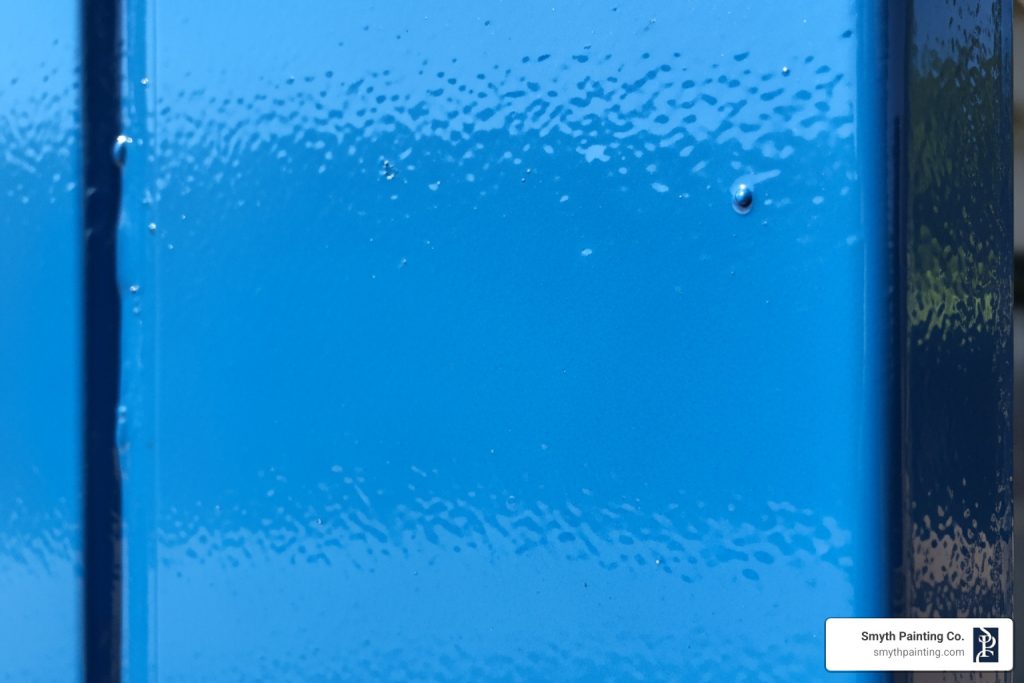
Why Exterior Gloss Paint Matters for Your Home
Exterior gloss paint is a high-sheen finish designed for outdoor surfaces that delivers exceptional durability, superior moisture resistance, and a striking, reflective appearance that improves architectural details.
Quick Answer: What You Need to Know About Exterior Gloss Paint
- What it is: A paint finish with the highest level of shine (70-85% light reflection), containing more resin than pigment
- Best for: Front doors, window casings, trim, shutters, railings, and architectural details
- Key benefits: Maximum durability, easy to clean, resists moisture and mildew, creates dramatic contrast
- Main drawback: Highlights surface imperfections and requires meticulous preparation
- Types: Water-based (acrylic/latex) or oil-based (alkyd), each with distinct advantages
- Lifespan: Typically 5-10 years with proper application and maintenance
Your home’s exterior makes its first impression. While a fresh coat of paint can transform curb appeal, the type of finish you choose determines how long that change lasts—and how much maintenance you’ll face.
Exterior gloss paint offers the best protection for high-traffic areas and design elements you want to stand out. It’s the finish professional painters use when durability and visual impact matter most. However, it isn’t the right choice for every surface, and applying it successfully requires understanding its strengths and limitations.
This guide covers how gloss paint differs from other finishes, where it performs best, what to look for in a quality product, and how to achieve a flawless result. You’ll learn when exterior gloss paint makes sense for your home.
I’m Douglas Smyth, founder of Smyth Painting Company, and over nearly two decades serving Newport County and greater Rhode Island, I’ve helped hundreds of homeowners select and apply exterior gloss paint to protect and beautify their properties. Our experience with historic homes and complex coastal environments has taught us exactly what works—and what doesn’t—when it comes to achieving a durable, high-gloss finish.
Understanding Paint Sheen: What Makes Gloss Different?
“Paint sheen” refers to the glossiness or reflectivity of dried paint. It’s determined by the ratio of resin (binder) to pigment (color). More resin and less pigment create a higher sheen. Gloss paints have a high resin-to-pigment ratio, creating a smooth, hard, light-reflecting surface with a characteristic shiny appearance.
For a deeper dive into paint finishes, check out our More info about paint finishes.
Gloss vs. Other Finishes
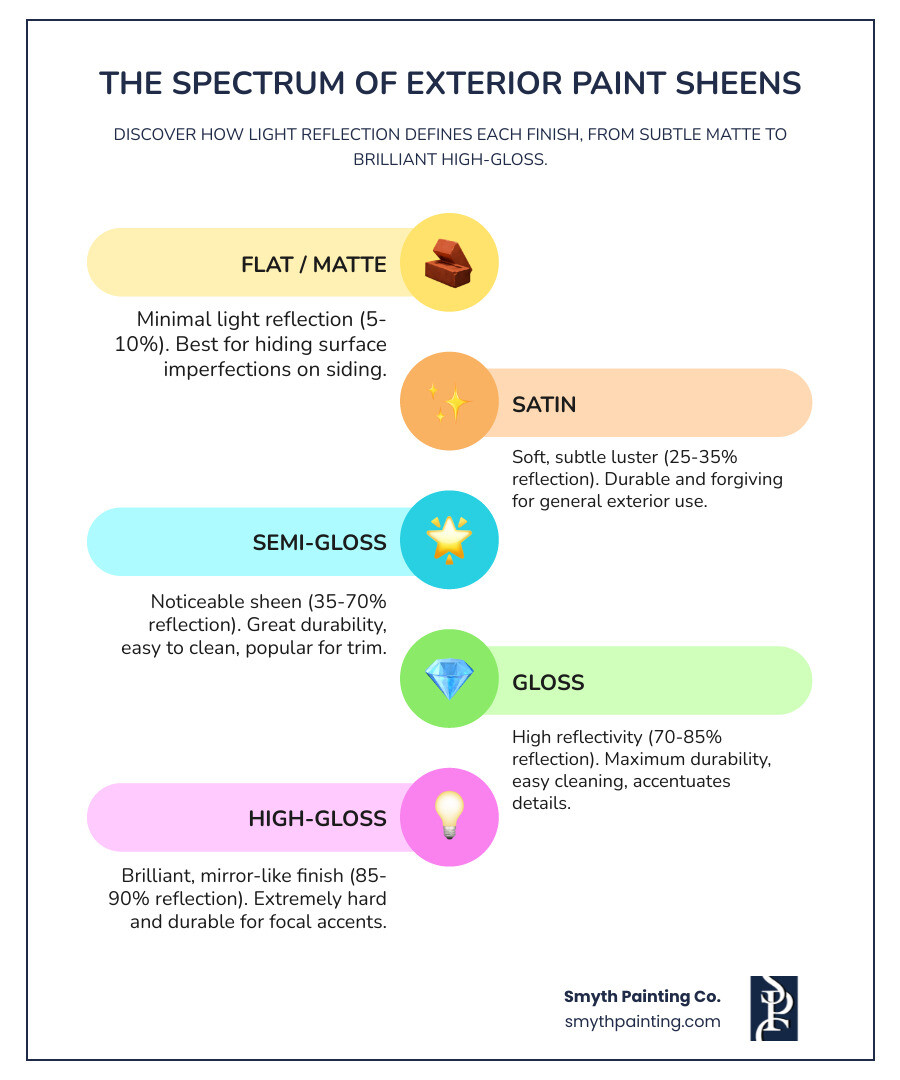
Understanding the spectrum of paint finishes is key to making the right choice for your exterior project. Each sheen offers a different balance of aesthetic and practical benefits. Here’s how exterior gloss paint stacks up against its counterparts:
| Finish Type | Shine/Luster | Durability | Washability | Ability to Hide Imperfections |
|---|---|---|---|---|
| Flat/Matte | Very low (5-10%) | Low | Low | Excellent |
| Satin | Moderate (25-35%) | Good | Good | Good |
| Semi-Gloss | Noticeable (35-70%) | Very Good | Very Good | Fair |
| Gloss | High (70-85%) | Excellent | Excellent | Poor |
As you can see from the table, there’s a trade-off. The higher the sheen, the more durable and washable the paint, but also the more it will highlight any imperfections on the surface.
The Pros of Using Gloss Paint Outdoors
Choosing exterior gloss paint for certain areas of your home offers many advantages, especially in challenging climates like ours in Rhode Island and SE Massachusetts.
- Exceptional Durability: Gloss paints are renowned for their toughness. They create a hard, resilient surface ideal for high-wear areas, which means less frequent repainting.
- Superior Moisture Resistance: Gloss paint’s tight, smooth surface repels water, preventing moisture penetration. This protects exterior surfaces from rain, snow, and humidity, guarding against rot and water damage.
- Mildew and Mold Resistance: Modern exterior gloss paints often have antimicrobial additives to resist mildew and mold. Their non-porous surface also prevents growth, a key benefit in damp coastal areas.
- Easy to Clean: The slick finish of gloss paint resists dirt and grime, making it easy to clean with soap and water. This is why it’s recommended for high-use areas like doors and window casings.
- Excellent Scuff Resistance: Due to their hard finish, gloss paints are much more resistant to scuffs, scratches, and abrasions compared to lower-sheen paints. This is particularly valuable for surfaces that experience frequent contact or impact.
- Vibrant, Rich Look: The high reflectivity of gloss paint intensifies colors, giving them a deeper, more vibrant appearance. This can make architectural details pop and add a sophisticated touch to your home’s exterior.
- Accentuates Architectural Details: If your home features intricate trim, decorative moldings, or unique architectural elements, gloss paint is your best friend. Its reflective quality draws the eye, highlighting these features and adding depth and contrast to your facade. We often use gloss on shutters and trim work to provide a nice contrast to the siding.
The Cons and Limitations of Gloss Paint
While the advantages of exterior gloss paint are compelling, it’s not a one-size-fits-all solution. There are some limitations to consider:
- Highlights Surface Imperfections: This is the biggest drawback. The reflective surface magnifies every bump, dent, and scratch. If surfaces aren’t in excellent condition, gloss will show every flaw. Meticulous surface preparation is non-negotiable.
- Difficult Application for Beginners: A smooth, streak-free gloss finish requires skill. Brush strokes, roller marks, and drips are more noticeable, making it challenging for inexperienced DIY painters.
- Potential for Glare in Direct Sunlight: The high reflectivity that gives gloss paint its appeal can also be a disadvantage. On large, south-facing surfaces, for instance, a full gloss could create an intense glare that might be uncomfortable or distracting.
- Requires Meticulous Prep Work: As mentioned, the need to hide imperfections translates into a significant amount of preparation time. Any flaw overlooked will be glaringly obvious once the paint dries. This can add considerable time and effort to your painting project.
Choosing and Applying Exterior Gloss Paint
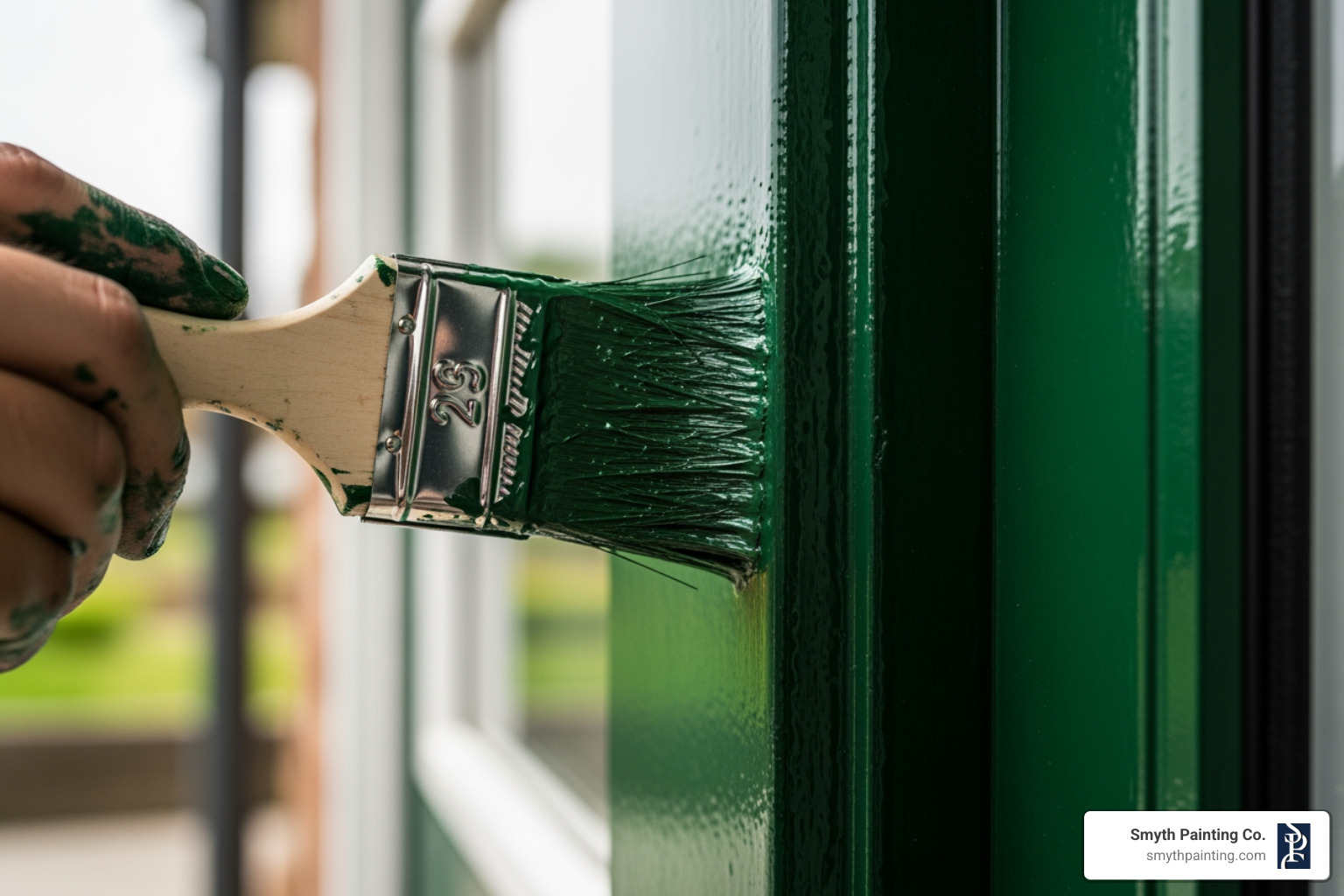
Selecting and applying exterior gloss paint correctly is the secret to open uping its full potential. It’s not just about picking a color; it’s about understanding the right product for the right surface and the techniques that yield a professional, long-lasting finish.
Best Surfaces for a Gloss Finish
Given its strengths and weaknesses, exterior gloss paint is best reserved for specific areas of your home where its durability, cleanability, and aesthetic impact can truly shine. These include:
- Front Doors: A glossy front door creates a welcoming focal point and stands up to daily wear and tear.
- Window Casings and Trim Work: These elements benefit from the easy-to-clean, durable finish and the contrast that gloss provides against less reflective siding.
- Shutters: Glossy shutters add a crisp, defined look and are easy to wipe clean.
- Railings: Whether wood or metal, railings endure frequent handling and exposure, making gloss paint an excellent protective choice.
- Garage Doors: These large, often-used surfaces benefit from gloss paint’s durability and washability.
- Architectural Details: Cornices, columns, decorative moldings, and other accent pieces are improved by the reflective quality of gloss, drawing attention to your home’s unique features.
These are typically areas in constant use or where you want to create a strong visual statement.
Types of Paint: Oil-Based vs. Water-Based
When choosing an exterior gloss paint, you’ll primarily encounter two main types based on their chemical composition: water-based (latex/acrylic) and oil-based (alkyd). Each has distinct properties that make them suitable for different applications.
Water-Based (Acrylic/Latex): This is the most common type of exterior paint used today.
- Flexibility: Latex paint expands and contracts with temperature changes, which is especially important for wood surfaces in our New England climate. This flexibility helps prevent cracking, peeling, and blistering. Acrylic formulas are known for providing extra protection against these issues.
- Fast-Drying: Latex paint dries quickly, often to the touch in 30 minutes to an hour, allowing for multiple coats in a single day.
- Low VOCs: Generally has lower volatile organic compounds (VOCs) and less odor, making it a more environmentally friendly option.
- Easy Cleanup: Cleans up easily with just soap and water.
- Primer: While many are “paint and primer in one,” for bare or problematic surfaces, a water-based latex primer is recommended for its flexibility and quick drying.
Oil-Based (Alkyd): Once the dominant exterior paint, oil-based options still have their place.
- Hard, Durable Finish: Oil-based paint dries to a very smooth, hard surface that stands up exceptionally well to the elements and is highly resistant to scuffs and impacts.
- Smooth Leveling: It tends to level out beautifully, minimizing brush marks and creating a glass-like finish.
- Strong Odor: Contains higher VOCs and has a strong, lingering odor, requiring good ventilation.
- Longer Cure Time: Dries more slowly than latex, usually taking 24 hours to cure, and longer to fully harden.
- Requires Mineral Spirits for Cleanup: Requires turpentine or paint thinner for cleanup.
- Primer: Oil-based primers are excellent for covering stains and are good for painted or unpainted wood and metals prone to rusting, as they seal the surface and allow paint to be applied more evenly. However, they can become brittle over time.
For most modern exterior applications in our region, we generally lean towards high-quality acrylic latex gloss paints due to their flexibility, durability, and ease of use, especially for wood that expands and contracts.
Key Characteristics of a Quality Exterior Gloss Paint
Not all gloss paints are created equal. When selecting a product for your home in Rhode Island or SE Massachusetts, look for these crucial characteristics that ensure longevity and performance:
- UV Resistance: Our New England sun, even when not scorching, can be harsh. High-quality exterior gloss paint should contain advanced UV-resistant pigments to protect against fading and color degradation, ensuring your vibrant colors stay true for years.
- Color Retention: Hand-in-hand with UV resistance, excellent color retention means the paint will maintain its original hue without chalking or dulling over time.
- Chalking Resistance: Chalking occurs when the paint binder slowly degrades, releasing pigment particles that appear as a chalky powder on the surface. Good gloss paints are formulated to resist this, preventing “chalk rundown” that can stain surfaces below.
- Blister Resistance: This refers to the paint’s ability to resist the formation of bubbles or blisters beneath the film, which can be caused by moisture trying to escape the substrate. Look for paints that offer good blister resistance, especially in humid coastal environments.
- Hiding Power (Opacity): While gloss paints generally have less pigment than flat paints, a quality product will still offer good hiding power, allowing it to cover the previous color or surface imperfections effectively in fewer coats.
- Flexibility to Prevent Cracking: Especially important for wood surfaces that naturally expand and contract with temperature and humidity changes. Acrylic formulas, in particular, provide this crucial flexibility, preventing the paint from cracking or peeling.
Proper Surface Preparation is Crucial
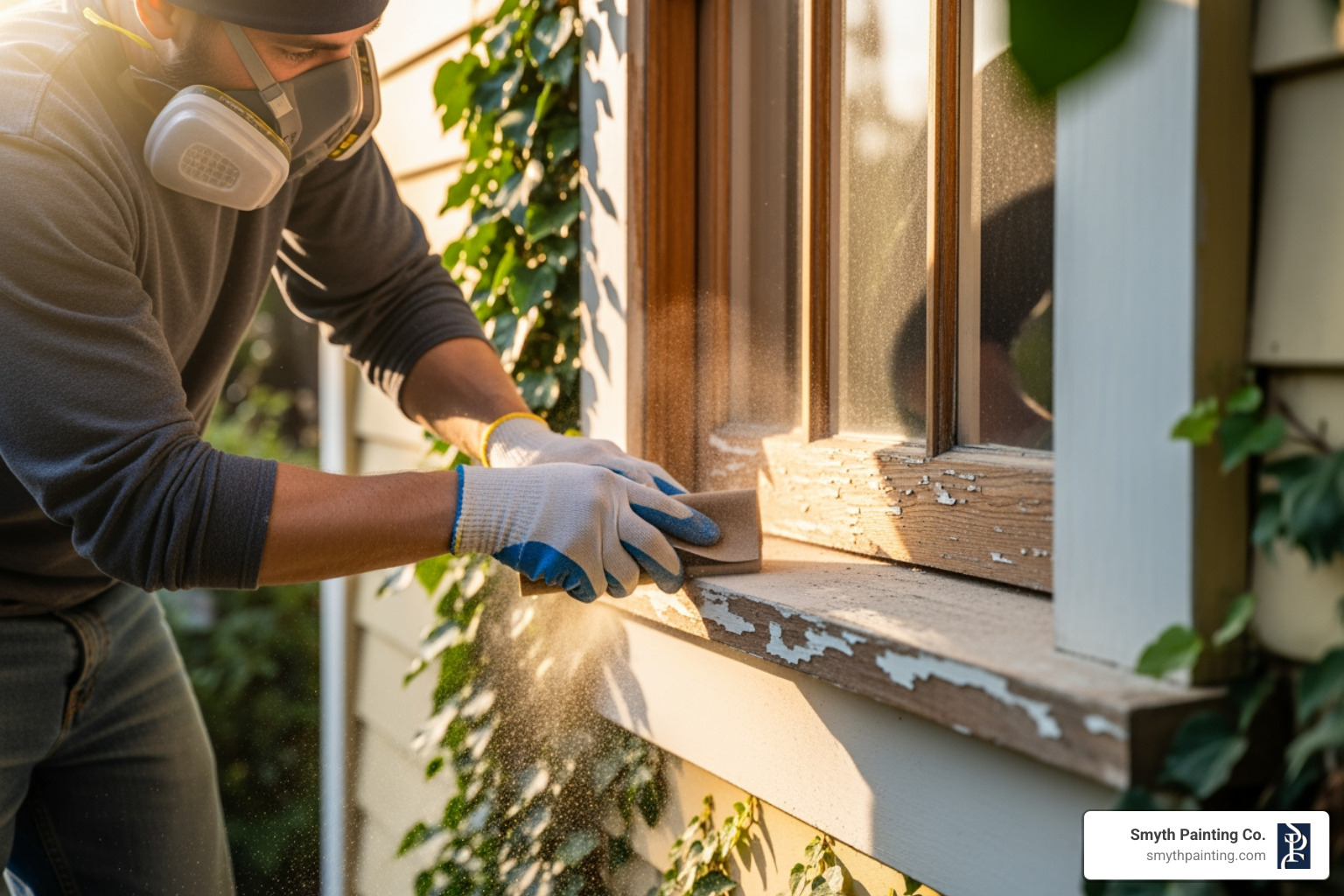
We cannot overstate this: for any exterior paint, but especially for exterior gloss paint, meticulous surface preparation is the cornerstone of a beautiful, durable finish. If you want that mirror-like sheen to last, you have to put in the groundwork.
- Cleaning the Surface: All dirt, grime, mold, mildew, and loose debris must be removed. We often recommend soft washing for exterior surfaces, as it’s a gentle yet highly effective method for cleaning without damaging your home’s exterior. Learn more about Why Soft Washing is Better Than Power Washing for Rhode Island Homes. For surfaces with mold, algae, or lichen, a fungicidal wash should be used during preparation.
- Scraping Loose Paint: Any peeling, flaking, or blistering paint must be scraped away down to a sound surface.
- Sanding for Adhesion: Sanding is critical for creating a “profile” for the new paint to adhere to. Glossy surfaces should be de-glossed by sanding to ensure mechanical adhesion. Even previously painted surfaces benefit from a light sanding to create a “key” for the new paint.
- Filling Holes and Cracks: Use an appropriate exterior-grade filler or caulk to repair any holes, cracks, or seams. Gloss paint will highlight these imperfections, so fill them carefully and sand smooth.
- Priming Bare Surfaces: Bare wood, metal, masonry, or previously unpainted surfaces must be primed. Primer provides a uniform base, improves adhesion, helps block stains, and improves the topcoat’s durability.
- Wood: For new or bare wood, use an exterior preservative primer to seal and protect against water damage, decay, and fungi. For staining woods, a stain-blocking primer is essential.
- Metal: Metal surfaces, especially those prone to rust, require a rust-inhibiting primer. Weathered aluminum and galvanized steel might be able to take certain paints directly, but it’s always safer to prime.
- Masonry/Stucco: Ensure the surface is clean, sound, and fully cured (typically 30 days for new masonry). A masonry primer can help seal chalky surfaces and provide a good base.
Application Methods and Color Trends
Applying exterior gloss paint successfully requires a steady hand and the right tools.
Application Tips for a Flawless Finish:
- Use a high-quality brush: For trim, doors, and detailed work, a good quality synthetic brush (for latex) or natural bristle brush (for oil-based) will make a huge difference in achieving a smooth finish and minimizing brush marks.
- Avoid overworking the paint: Apply the paint smoothly and evenly, then leave it alone. Excessive brushing or rolling can lead to visible marks and an uneven sheen.
- Maintain a wet edge: Always work from unpainted to painted areas, maintaining a “wet edge” to prevent lap marks. This is particularly important with fast-drying latex paints.
- Apply thin, even coats: It’s better to apply two or three thin coats than one thick coat. Thick coats are prone to sagging, wrinkling, and uneven drying.
- Consider a roller for larger flat surfaces: For larger areas like garage doors, a high-quality short-nap roller can provide a smoother, more even finish than a brush, but be mindful of roller marks.
- Airless Sprayer: For experienced painters, an airless sprayer can achieve the smoothest, most uniform gloss finish, especially on large, flat surfaces. However, it requires significant masking and setup.
Color Considerations and Trends:
Exterior gloss paint makes colors pop, so your color choice will have a significant impact.- Using Gloss for Contrast: Gloss is excellent for creating contrast. Painting trim, doors, or shutters in a gloss finish while the main siding is a lower sheen (like satin or matte) draws attention to these features and adds architectural interest. Think of a crisp white gloss trim against a darker siding, or a bold color on your front door.
- Classic Choices: Black, white, and navy are timeless choices for gloss accents. A glossy black front door exudes sophistication, while white gloss trim provides a clean, neat look.
- Historic Colors: In our historic towns like Newport and Little Compton, specific color palettes are popular. A glossy finish can beautifully revive these traditional hues. Explore our insights on Top 3 Historic Exterior Paint Colors in Newport, RI for inspiration.
- Modern Trends: While gloss isn’t typically used for an entire house exterior, it can complement modern design trends when used on specific elements, adding a touch of sleekness.
Performance, Durability, and Maintenance
Understanding how exterior gloss paint performs over time and how to care for it will help you maximize its lifespan and keep your home looking its best.
Lifespan and Climate Performance
A high-quality exterior gloss paint, properly applied and maintained, can offer impressive longevity.
- Typical Lifespan: While various factors influence it, you can generally expect a quality exterior gloss paint to last anywhere from 5 to 10 years, with some premium products offering guarantees of 10 years or more of all-weather protection.
- Factors Affecting Durability:
- Paint Quality: Premium paints use better resins and pigments, leading to longer durability.
- Surface Preparation: As discussed, this is paramount. Poor prep means early failure.
- Application: Correct application (thin coats, proper tools) ensures optimal performance.
- Exposure: Surfaces facing direct, intense sunlight or extreme weather conditions will naturally degrade faster.
- Substrate: Paint adheres differently to various materials.
- Performance in Coastal Climates like Rhode Island: Our coastal environment presents unique challenges:
- Salt and Moisture: Constant exposure to salt air and high humidity can accelerate corrosion on metal and promote mildew growth. Quality gloss paints with excellent moisture and mildew resistance are essential here.
- Temperature Fluctuations: The freeze-thaw cycles common in New England require paints with good flexibility (like acrylics) to prevent cracking and peeling.
- Wind and Rain: Gloss paints’ hard, smooth surface excels at shedding rain and resisting wind-driven debris. Some paints are even engineered for extreme climate conditions, providing self-cleaning finishes and advanced UV resistance crucial for coastal homes.
Drying, Curing, and Cleaning
It’s important to differentiate between drying and curing times for exterior gloss paint.
- Drying Times: This refers to how long it takes for the paint to be dry to the touch, meaning you can typically apply another coat without disturbing the previous one. Latex paints can be dry to the touch in as little as 30 minutes to 1 hour. Oil-based paints usually take longer, around 6-8 hours or more.
- Curing Times: This is the much longer process where the paint film hardens completely, achieving its maximum durability, adhesion, and resistance properties. While latex paints might be dry to the touch quickly, they can take several days to a few weeks to fully cure. Oil-based paints often take 24 hours to cure, but can take up to a month or more for full hardness. During the curing period, the paint is still somewhat vulnerable, so treat it gently.
- Impact of Humidity and Temperature: High humidity and low temperatures will significantly extend both drying and curing times. Conversely, dry, warm (but not hot) conditions will speed them up. Always check the manufacturer’s recommendations for ideal application temperatures, typically between 50°F (10°C) and 90°F (32°C).
- Gentle Cleaning Methods: One of the great advantages of exterior gloss paint is its ease of cleaning. For routine maintenance, simply use a soft cloth or sponge with mild soap and water. Avoid abrasive cleaners or harsh scrubbing, as these can dull the finish over time. For tough spots, a gentle, non-abrasive cleaner designed for painted surfaces can be used.
- How to Inspect for Damage: Regularly inspect your gloss-painted surfaces for any signs of wear, such as chipping, peeling, blistering, or dulling. Early detection allows for touch-ups before minor issues become major repairs.
- Understanding Safety Data Sheets: For specific product information regarding drying times, cleanup, and any safety precautions, always refer to the manufacturer’s Safety Data Sheets.
Common Mistakes to Avoid with Exterior Gloss Paint
Even with the best intentions, mistakes can happen. Here are some common pitfalls to steer clear of when working with exterior gloss paint:
- Skipping Prep Work: This is the cardinal sin of painting, especially with gloss. Any shortcuts in cleaning, scraping, sanding, or priming will lead to a finish that looks poor and fails prematurely. Gloss magnifies flaws!
- Painting in Direct Sun or High Humidity: Painting in direct sunlight can cause the paint to dry too quickly, leading to brush marks, lap marks, and poor adhesion. High humidity can prevent the paint from drying or curing properly, leading to blistering or a tacky finish. Aim for overcast days or paint in the shade.
- Applying Coats Too Thickly: While it might seem like a time-saver, thick coats are more likely to sag, wrinkle, and take much longer to dry and cure, compromising the durability and appearance of the finish. Always apply thin, even coats.
- Not Using the Right Primer: A primer is not always optional, especially on bare or problematic surfaces. Using the wrong type of primer, or no primer at all, can lead to poor adhesion, uneven sheen, and premature paint failure.
- Choosing the Wrong Application Tool: Using a cheap brush that sheds bristles or a roller with the wrong nap can ruin a gloss finish. Invest in high-quality tools appropriate for the paint type and surface.
- Ignoring Manufacturer Instructions: Every paint product has specific guidelines for application, drying, and curing. Always read and follow these instructions to ensure the best results and maintain any warranties.
Frequently Asked Questions about Exterior Gloss Paint
Can I paint directly over an existing gloss paint?
You must de-gloss the surface first by sanding and cleaning it thoroughly to ensure the new coat of paint will adhere properly. Applying a bonding primer is also highly recommended. Without proper preparation, new paint applied over an existing glossy finish will likely chip, peel, or scratch off easily because it won’t have a surface to grip onto.
Is exterior gloss paint completely waterproof?
While highly water-resistant, no paint is completely waterproof. A gloss finish creates a non-porous film that effectively sheds water, protecting the underlying surface from moisture damage, but it is not a waterproofing membrane. Its primary role is to act as a barrier against water penetration, not to withstand prolonged submersion or hydrostatic pressure like specialized waterproofing products.
When is a semi-gloss or satin finish a better choice?
Choose a semi-gloss or satin finish for large surfaces like siding where a high-gloss would be overwhelming, or on surfaces with minor imperfections, as the lower sheen is more forgiving. They still offer good durability and are easier to clean than flat finishes, making them a versatile choice for many exterior applications. Semi-gloss is durable and easy to clean with less shine than full gloss, suitable for doors and trim where some stain resistance is desired without the full reflective impact. Satin offers easy cleaning with a moderate sheen, working well on wood or cement siding that’s in good condition.
Conclusion: Is Gloss Paint the Right Choice for Your Home?
Exterior gloss paint offers a compelling combination of style and substance for your home. We’ve seen how its high durability, superior moisture resistance, and easy-to-clean surface make it an excellent choice for protecting high-traffic areas and enhancing curb appeal. Its reflective quality amplifies color and draws attention to your home’s unique architectural details, making them truly pop.
However, its unforgiving nature when it comes to surface imperfections and the need for meticulous preparation mean it’s not a finish to be chosen lightly. It’s best reserved for specific elements like trim, doors, window casings, railings, and other architectural accents where its benefits can be fully realized without highlighting flaws on larger, less-than-perfect surfaces.
Achieving a flawless gloss finish that stands the test of time and the rigors of our Rhode Island climate requires skill, attention to detail, and the right products. For professional, long-lasting results on your Newport, Middletown, or other Rhode Island home, consider entrusting your project to experts. At Smyth Painting Co., we pride ourselves on delivering high-quality, detailed work with excellent communication and eco-friendly options, ensuring a smooth, stress-free experience from start to finish.
Ready to give your home the lasting beauty and protection of exterior gloss paint? Contact us for your exterior painting project today.


