

Why Your Outdoor Paint Choice Matters More Than You Think
Eco friendly outdoor paint offers a healthier, more sustainable alternative to conventional paints by eliminating or drastically reducing harmful chemicals while still protecting your home’s exterior. Here’s what makes paint truly eco-friendly:
- Zero or Low VOCs – Less than 50 g/L (often under 5 g/L for zero-VOC)
- Natural ingredients – Plant-based resins, mineral pigments, casein, linseed oil
- Third-party certifications – Look for GREENGUARD or Green Seal labels
- Free from harmful preservatives – No formaldehyde, toxic biocides, or heavy metals
- Breathable formulas – Allow wood to regulate moisture naturally
When renovating a room or refreshing your home’s exterior, choosing less-toxic, eco-friendly paints means you can breathe clean indoor air while preserving the Earth. The stakes are higher than you might think. More than two-thirds of the 176 million pounds of VOC emissions generated in California come from paints and coatings. Conventional paints release volatile organic compounds that can cause headaches, nausea, and long-term health issues—and those fumes don’t just disappear when the paint dries.
The good news? Modern eco-friendly outdoor paints have come a long way. They now offer the durability and weather resistance you need for New England’s harsh conditions, without the chemical cocktail of traditional formulas. Whether you’re painting historic clapboard siding, a backyard deck, or garden furniture, you no longer have to choose between performance and safety.
For homeowners with historic or complex properties in Rhode Island and SE Massachusetts, this matters even more. Your home deserves protection that lasts—and so does your family’s health.
I’m Douglas Smyth, founder of Smyth Painting Company, and since 2005 we’ve been helping Newport County homeowners maintain their properties with high-quality finishes. Over nearly two decades, I’ve seen the eco friendly outdoor paint industry transform from niche natural formulas to high-performance coatings that protect both your home and the environment.
The Hidden Impact of Conventional Outdoor Paint
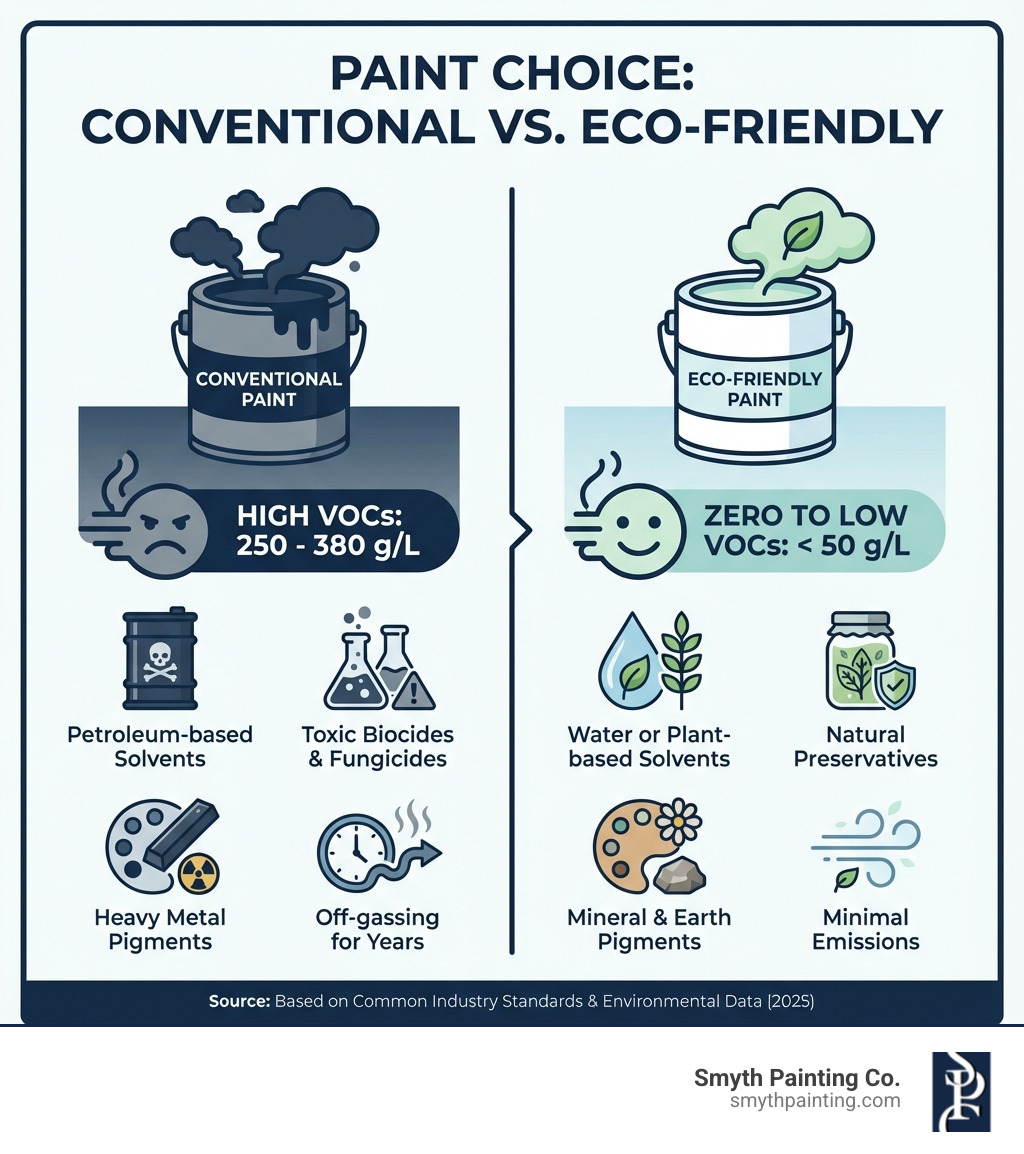
When we choose paint for our homes, we often focus on color and finish. But the ingredients within a can of traditional paint can have significant, unseen consequences for both our health and the environment. These are the main environmental and health concerns associated with conventional outdoor paints, and why we should be vigilant about what we’re putting on our homes.
Traditional paints are notorious for releasing Volatile Organic Compounds (VOCs) into the air. These aren’t just unpleasant odors; they are chemicals that off-gas during and long after application. According to the Environmental Protection Agency, short- and long-term adverse health effects associated with VOCs run the gamut from allergic reactions, headaches, and nausea to liver, kidney, and central nervous system disorders, and even cancer. Some VOCs are also known to damage the ozone layer. For painters, a 2002 study by the National Cancer Institute found a “significantly increased” risk of cancer for those working in the painting trades.
What specific ingredients in traditional paints should consumers avoid?
- High VOCs: As mentioned, these are the primary culprits. Oil-based paints generally contain more VOCs than water-based paints, often making up around 40 to 60 percent of the paint’s contents, whereas water-based paints still often contain five to ten percent VOCs.
- Biocides and Fungicides: These are active chemical molecules added to paint to control or kill bacteria, mold, and mildew, especially in exterior formulas. While they prevent fungal growth, they can be highly toxic and have long-term effects. Toxic biocides can be detected in the air five years after paint is applied, contaminating our air and potentially our groundwater if not disposed of properly. Low-biocide exterior paints are not readily available, making this a tricky area.
- Heavy Metals: Some traditional pigments can contain heavy metals that are harmful if ingested or leached into the soil. This is particularly concerning for outdoor applications, especially around vegetable gardens or areas where children and pets play. We’ve all heard the warnings about lead paint in older homes, and while modern paints have largely eliminated lead, other toxic elements can still be present.
- Formaldehyde and Formaldehyde Releasers: These are often used as preservatives and can contribute to indoor air pollution and health issues.
The environmental impact extends beyond just air quality. Improper disposal of paint, particularly oil-based varieties and those containing biocides, can lead to groundwater contamination. This is why responsible paint disposal is so important, and why choosing eco-friendly options from the start is the best approach.
What Defines a Truly Eco-Friendly Paint?
Choosing an eco-friendly outdoor paint means looking for products designed to minimize harm throughout their lifecycle, from manufacturing to application and eventual disposal. These paints prioritize health, environmental safety, and performance, ensuring your home in Newport County is both beautiful and protected without compromise.
Decoding Labels and Certifications
When navigating eco-friendly paints, understanding labels and certifications is crucial. These help us cut through marketing hype and identify products that genuinely meet higher environmental and health standards.
Key characteristics of eco-friendly outdoor paints:
- Low-VOC and Zero-VOC Formulations: This is often the first thing people look for. The EPA currently limits the amount of VOCs in “low-VOC” latex paints to no more than 250 grams per liter (gm/l) and no more than 380 gm/l for “low-VOC” oil-based paints. However, truly eco-friendly options go much further. Some commercial paints labeled as “zero-VOC” can contain no more than 5gm/l VOCs. The advantages of low-VOC and zero-VOC paints for outdoor use are clear: significantly reduced air pollution during application and curing, and fewer health risks for applicators and occupants.
- Natural and Plant-Based Ingredients: These paints replace petroleum-derived chemicals with renewable resources. This includes plant-based resins, mineral pigments, and natural binders.
- Breathability and Moisture Regulation: Especially for exterior wood, breathable paints allow the material to naturally regulate moisture. This prevents paint from blistering, cracking, and peeling, which is vital for preserving historic homes common in our area, like those in Preserving Newport’s Historic Charm.
- Durability and UV Resistance: Eco-friendly doesn’t mean less durable. Modern formulations offer excellent weather resistance, color retention, and UV protection, crucial for the varying New England weather.
- Absence of Harmful Preservatives: Truly eco-friendly paints avoid formaldehyde, toxic biocides, and heavy metals.
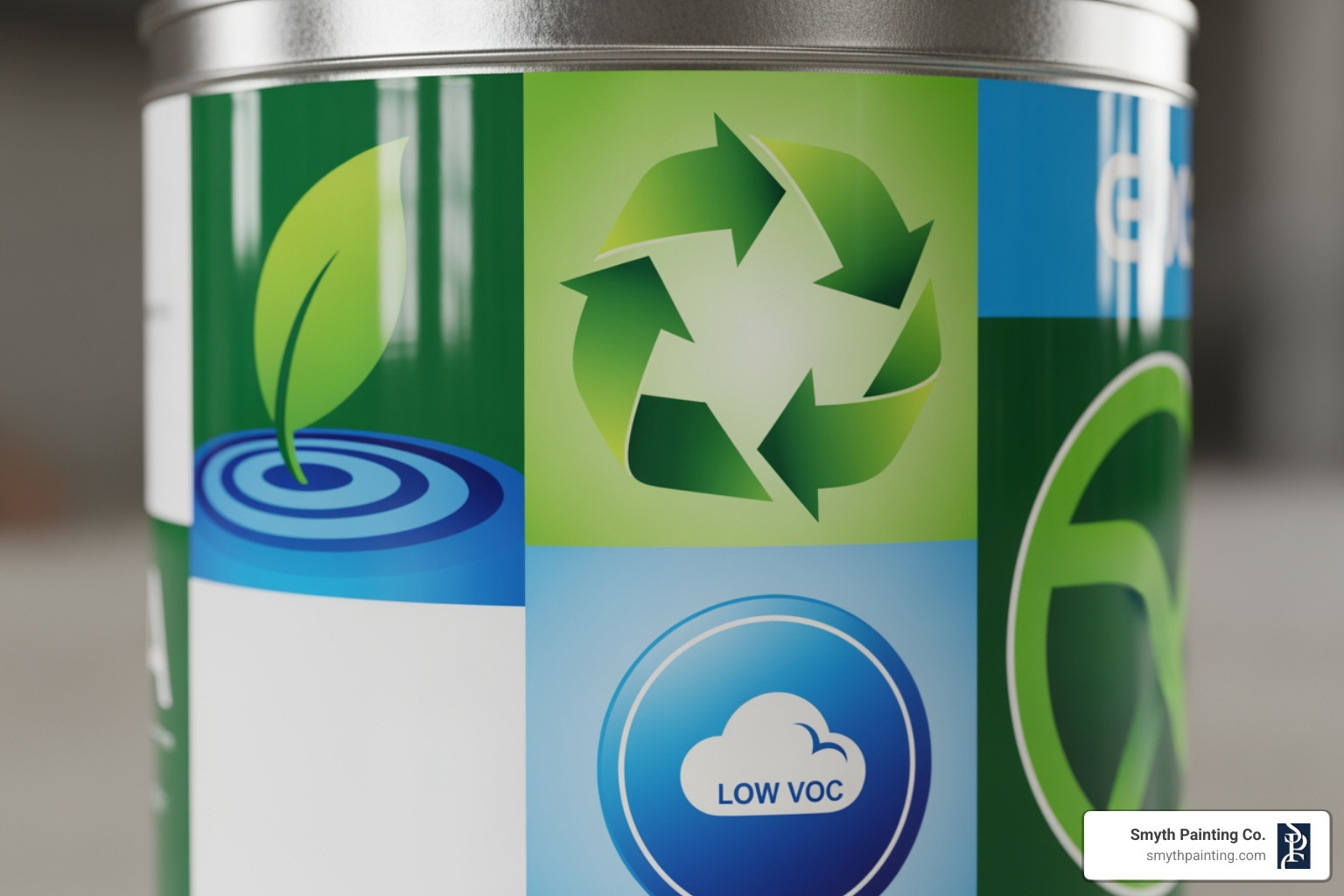
So how can we be sure we are buying eco-friendly paint? Check for independent testing certification seals.
- GREENGUARD label: Paints that bear the GREENGUARD label will have less than 50 grams of VOCs per liter.
- Green Seal certification: Green Seal certified paints cannot exceed 50 grams of VOC per liter for flat paint and 100 grams per liter for non-flat paints.
- Transparency in Labeling: The most trustworthy brands willingly share detailed information about what goes into their products and how they’re manufactured. Look for full ingredient disclosure.
It’s worth noting that some commercial paints labeled “zero-VOC” can still contain up to 5gm/l VOCs, and the tinting process can sometimes add VOCs back into a low-VOC base. Always check the final product’s VOC content after tinting.
The Power of Natural and Plant-Based Ingredients
The shift towards natural and plant-based ingredients is at the heart of the eco-friendly paint movement. These components replace harsh chemicals with substances derived from renewable resources, offering a safer and more sustainable choice for our homes and the environment.
What natural and plant-based ingredients are commonly found in eco-friendly paints?
- Plant-Based Resins: Instead of petroleum-based plastics, these paints use resins derived from plants, making them more biodegradable and less impactful on the environment.
- Mineral and Earth Pigments: For color, eco-friendly paints often rely on natural earth pigments. These not only provide beautiful, rich colors but also offer excellent UV fade resistance, which is important for maintaining color retention and UV resistance in eco-friendly exterior paints.
- Clay-Based Formulas: Clay paints offer a natural, breathable finish, particularly suitable for interior applications, but some formulations are adapted for exterior use.
- Milk Protein (Casein): Milk paint, one of the oldest forms of paint, uses casein as a binder. Modern milk paint formulations typically contain milk protein (casein), lime, clay, and natural pigments.
- Linseed Oil: A centuries-old ingredient, linseed oil is derived from flax seeds. It’s a natural binder and solvent that deeply penetrates wood, allowing it to breathe.
- Citrus Solvents: These natural solvents can replace harsher chemical solvents in some paint formulations.
- Biodegradable Components: Overall, eco-friendly paints strive for ingredients that break down naturally, minimizing their impact on soil and waterways.
- Avoiding Harmful Preservatives: This means steering clear of formaldehyde, formaldehyde releasers, and isothiazolinones, opting instead for alternative natural preservative systems.
How do brands like Natural Earth Paint, ECOS Paints, and AFM Safecoat differentiate themselves in the eco-friendly market?
- Natural Earth Paint: This brand often focuses on truly non-toxic alternatives for various applications, including outdoor use, emphasizing natural earth pigments and plant-based binders. They stand out for their commitment to using ingredients that are safe enough for children’s toys and garden structures.
- ECOS Paints: ECOS specializes in paints for chemically sensitive individuals, offering zero-VOC, solvent-free options with good hiding, coverage, adhesion, and mildew resistance. They are known for transparency, providing detailed ingredient lists and documentation. Even their shipping practices are more eco-friendly, using 100-percent post-consumer recycled containers.
- AFM Safecoat: Developed specifically for individuals with chemical sensitivities and allergies, AFM Safecoat offers zero-VOC paints with multiple safety certifications. They focus on technical performance combined with maximum safety.
These brands exemplify how consumers can ensure transparency and trust when selecting eco-friendly paint brands by looking for detailed ingredient lists, third-party certifications, and a clear commitment to health and environmental safety.
Your Guide to the Best Eco-Friendly Outdoor Paint Types
When it comes to protecting our homes from the harsh New England elements, the right eco friendly outdoor paint not only beautifies but also preserves. For our clients in Rhode Island and SE Massachusetts, choosing the best eco-friendly paint involves considering the specific surface and desired finish, whether it’s historic siding, a sturdy fence, a well-used deck, or cherished wood furniture.
Water-Based Acrylics: The Versatile Modern Choice
Water-based acrylic paints have become a cornerstone of eco-friendly exterior painting, and for good reason. They offer an excellent balance of performance, durability, and environmental responsibility, making them a superb choice for a variety of outdoor surfaces.
What are the benefits of using water-based acrylic paints for outdoor wood?
- Durability and Weather Resistance: Modern 100% acrylic polymers provide exceptional adhesion and elasticity, allowing the paint to expand and contract with the wood without cracking or peeling. This is crucial for wooden surfaces exposed to our region’s fluctuating temperatures and moisture. They can last 5-10 years, depending on exposure and application quality.
- Low VOC Content: Many water-based acrylics are formulated with very low or zero VOCs, significantly reducing harmful emissions.
- Easy Cleanup: A major convenience, these paints clean up easily with soap and water, eliminating the need for harsh chemical solvents.
- Versatility: They are suitable for a wide range of exterior wood surfaces, including siding, trim, fences, and even some deck applications (though specialized deck coatings are often preferred for high-traffic areas).
- Color Retention: High-quality acrylics are formulated with UV-resistant pigments, ensuring excellent color retention and UV resistance in eco-friendly exterior paints, protecting your home’s aesthetic for years.
For homes in Newport, we often recommend water-based acrylics that can be tinted to match historic exterior paint colors, ensuring both preservation and protection.
Natural Oil & Milk Paints: Traditional and Breathable Finishes
For those seeking a more traditional aesthetic or a truly natural approach, linseed oil paint and milk paint offer unique benefits, particularly for specific types of outdoor wood projects.
How does milk paint perform as an eco-friendly exterior option?
Milk paint, made from milk protein (casein), lime, clay, and natural pigments, is a wonderfully eco-friendly option.
- Rustic, Matte Finish: It provides a beautiful, soft, matte finish that is highly sought after for rustic furniture, heritage restorations, or a charming, aged look.
- Breathable: Like linseed oil paint, milk paint allows wood to breathe, which can be beneficial in preventing moisture issues.
- Non-Toxic: It is naturally zero-VOC and incredibly safe, often chosen for children’s play equipment or garden furniture where contact is frequent.
- Sealing Requirements: For full outdoor exposure in our climate, milk paint typically requires a natural oil or wax sealer to improve its weather resistance and durability. Without proper sealing, it’s particularly well-suited to covered outdoor areas like porches or protected furniture, rather than fully exposed applications. Reapplication with natural sealers might be needed every 2-4 years.
Linseed oil paint is another excellent eco-friendly option, offering distinct advantages for exterior wood.
- Deep Wood Penetration: Unlike film-forming paints, linseed oil paint penetrates deeply into the wood fibers, nourishing and protecting the wood from within. This allows the wood to breathe naturally.
- Prevents Peeling: Because it doesn’t form a rigid film on the surface, linseed oil paint is less prone to cracking, blistering, and peeling, which can be a common issue with conventional paints on older, moisture-prone wood.
- Easy Maintenance: Linseed oil paint can often be refreshed with a new coat without extensive scraping and sanding, making maintenance less labor-intensive. Maintenance is typically every 4-7 years.
- Ideal for Specific Projects: It’s particularly well-suited for traditional wooden structures, log homes, and heritage restorations where preserving the natural character and breathability of the wood is paramount.
When considering specific eco-friendly paint options for different types of outdoor wood projects:
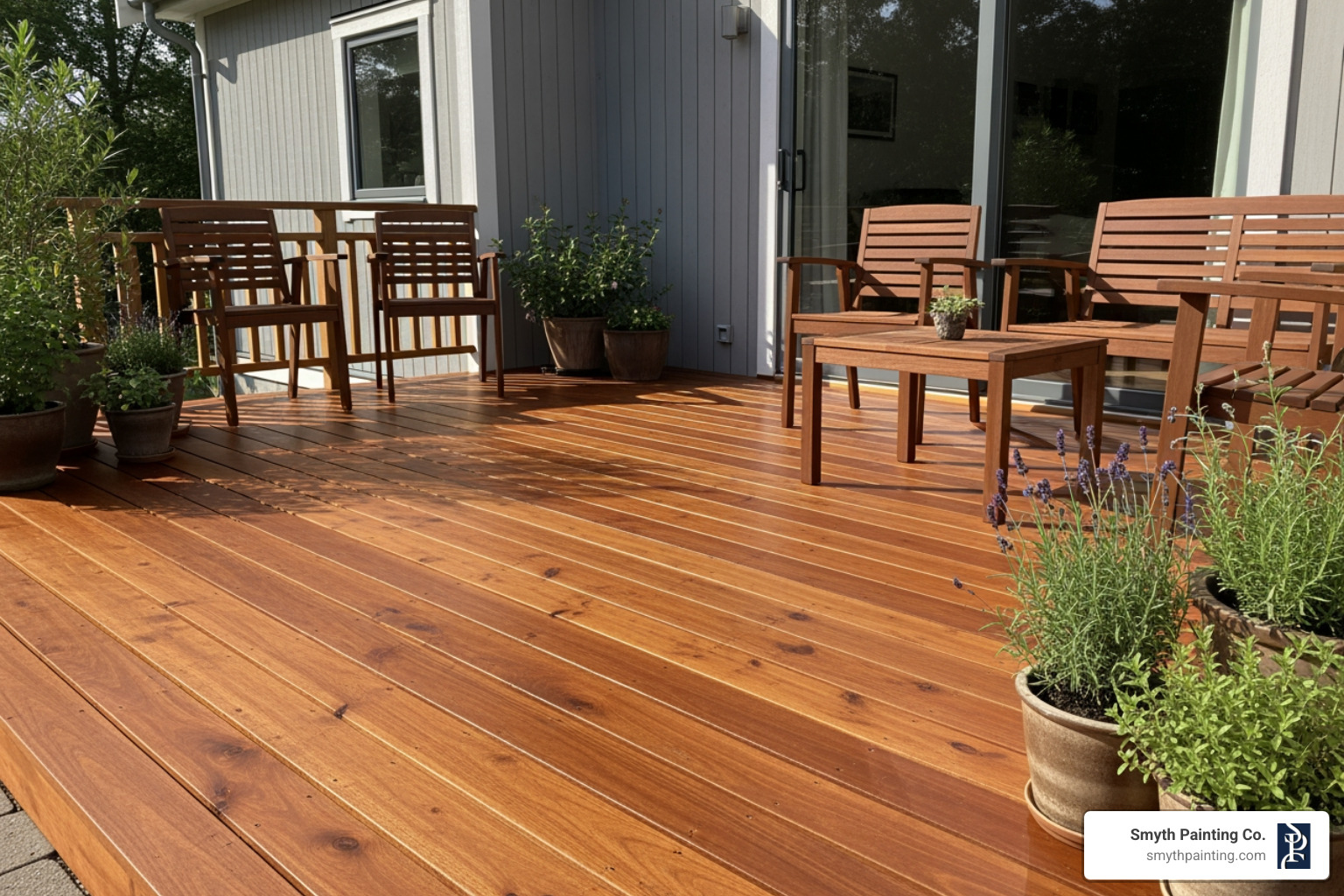
- Decks: Specialized water-based acrylic deck coatings or highly durable natural oil-based deck stains provide the best wear resistance and UV protection for high-traffic areas. Consider how often you’re willing to undertake deck repairs and paint when making your choice.
- Fences: Water-based acrylics or natural wood stains offer good protection and color retention.
- Furniture: Milk paint (sealed), linseed oil paint, or zero-VOC acrylics are excellent choices for outdoor furniture, prioritizing safety and a beautiful finish.
- Siding: High-quality water-based acrylics are generally the most versatile and durable for exterior siding, offering excellent weather resistance and color retention.
Best Practices for Application and Maintenance
Even the most environmentally friendly paint won’t perform its best without proper application and diligent maintenance. For our clients throughout Rhode Island and SE Massachusetts, we emphasize these best practices to ensure a lasting, beautiful finish that protects your home for years to come.
What are the best practices for preparing surfaces and applying eco-friendly exterior paints?
- Thorough Cleaning: Start with a clean slate. Remove all dirt, grime, mildew, and loose paint. For many exterior surfaces, especially with stubborn mildew common in our humid coastal climate, softwashing is a superior method to traditional power washing. It uses low-pressure, eco-friendly detergents to gently yet effectively clean surfaces without causing damage.
- Sanding and Repair: Sand any rough spots, feather edges of old paint, and make necessary repairs to the wood or substrate. This creates an ideal surface for the new paint to adhere to.
- Priming: Don’t skip the primer, especially if you’re painting bare wood, making a significant color change, or transitioning from oil-based to water-based paint. A high-quality, eco-friendly primer will improve adhesion, block stains, and ensure a uniform topcoat finish. If you’re dealing with older homes, be mindful of lead paint safety and consult with professionals if lead paint is suspected.
- Application Conditions: Apply paint during moderate temperatures (typically 50-85°F or 10-30°C) and low humidity. Avoid painting in direct, scorching sunlight or when rain is expected. The variable weather in New England means we often need to carefully plan our painting days!
- Proper Mixing: Always mix your paint thoroughly before and during application. For eco-friendly paints that might contain natural pigments or fillers, this ensures consistent color and performance.
- Number of Coats: Most exterior surfaces benefit from 2-3 thin, even coats for optimal protection and color depth. This also contributes to better color retention and UV resistance.
- Curing Times: Natural and eco-friendly paints can sometimes have longer drying and curing times than conventional paints. Always follow the manufacturer’s recommendations for drying time between coats and before exposing the surface to heavy use or moisture.
How does the durability and maintenance of eco-friendly exterior paints compare to conventional options?
Modern eco-friendly exterior paints have significantly closed the gap in durability compared to conventional options.
- Durability: High-quality water-based acrylics, for example, offer excellent resistance to cracking, peeling, and fading, often performing comparably to premium conventional paints. Linseed oil paints penetrate wood for long-lasting protection against moisture.
- Maintenance: While some natural paints might require reapplication slightly more frequently (e.g., milk paint with natural sealers every 2-4 years, linseed oil paint every 4-7 years, and non-toxic acrylics every 5-7 years), they often allow for easier touch-ups and re-coating without extensive scraping. Regular inspection and prompt touch-ups can extend the lifespan of any paint job.
- Long-Term Value: The benefits of a healthier home and a reduced environmental footprint often outweigh any perceived differences in maintenance schedules. The ease of working with low-VOC products also makes for a much more pleasant experience during application.
Frequently Asked Questions
We often get asked common questions about eco-friendly outdoor paints, especially by homeowners in our service areas of Rhode Island and SE Mass who are keen on making sustainable choices without compromising quality. Let’s address some of these.
Is eco-friendly outdoor paint as durable as conventional paint?
This is a very common and valid concern, and the short answer is: yes, modern eco-friendly formulations are incredibly durable. The perception that “natural” means “fragile” is outdated. Today’s eco friendly outdoor paint has come a long way, offering performance that rivals, and in some cases surpasses, conventional options.
- Modern Formulations: Advances in resin technology, particularly with 100% acrylic polymers in water-based paints, have created incredibly tough and flexible coatings. These paints are designed to withstand the expansion and contraction of wood in our varied New England climate, preventing cracking and peeling.
- Improved Weather Resistance: Eco-friendly paints are now engineered to offer excellent resistance to UV radiation, moisture, and temperature fluctuations. This means better color retention and less fading over time.
- Reapplication Cycles: While some conventional paints might boast a 10+ year lifespan, many high-quality eco-friendly acrylics can last 5-7 years, and linseed oil paints 4-7 years. The key benefit is that maintenance often involves easier touch-ups or re-coating without the need for extensive stripping, which saves time and effort in the long run.
- Long-Term Value: When you factor in the health benefits for your family, the reduced environmental impact, and the ease of maintenance, the long-term value of eco-friendly paint is clear. It’s an investment in a healthier home and a greener planet.
Can I use eco-friendly outdoor paint over old, conventional paint?
Yes, in most cases, you can use eco friendly outdoor paint over old, conventional paint, but proper preparation is absolutely critical for success. This isn’t just about aesthetics; it’s about ensuring adhesion and durability.
- Proper Preparation is Key: The golden rule of painting applies here: preparation is 80% of the job. You need to ensure the existing surface is clean, dry, and sound. This often involves thorough cleaning (perhaps with softwashing), scraping away loose or peeling paint, and sanding to create a smooth profile for the new paint.
- Thorough Cleaning and Sanding: Remove all dirt, mildew, and chalky residue. Sanding helps to dull any glossy surfaces and provides “tooth” for the new paint to grip.
- Transition Primers: If you’re switching from an oil-based paint to a water-based eco-friendly acrylic, or if the existing paint is in poor condition, a high-quality, eco-friendly transition primer is highly recommended. This will help with adhesion and prevent any bleed-through from the old paint.
- Testing in an Inconspicuous Area: Always test a small, hidden area first to ensure compatibility and desired results, especially if you’re unsure about the existing paint’s type or condition.
- Lead Paint Safety: For older homes in Rhode Island and SE Mass, always be aware of the potential for lead-based paint. If you suspect lead paint, consult with a certified professional before disturbing the surface. Your safety, and that of your family, is paramount.
Are eco-friendly paints significantly more expensive?
While the initial sticker price of some eco-friendly outdoor paints might be slightly higher than their conventional counterparts, it’s essential to consider the bigger picture of initial cost versus long-term value.
- Initial Cost vs. Long-Term Value: Think of it as an investment. The upfront cost might be a little more, but you’re investing in your family’s health, the environment, and often a durable, high-performance product. When we consider the reduced health risks and environmental benefits, many find the investment well worth it.
- Health and Environmental Benefits: The avoidance of VOCs and other harmful chemicals provides invaluable benefits that are hard to put a price on. Reduced exposure to toxins during application and for years after means a healthier living environment for everyone.
- Reduced Waste: Many eco-friendly paints are produced with sustainability in mind, from sourcing ingredients to packaging. Choosing these options contributes to a reduction in harmful chemical waste.
- Durability of Modern Formulas: As discussed, the durability of modern eco-friendly paints is excellent. This means fewer repaints over time, which can offset the initial cost difference. Plus, the ease of maintenance and touch-ups can save on labor costs down the line.
The market for eco friendly outdoor paint is growing, and with increased demand, prices are becoming more competitive. We believe that the peace of mind, the health benefits, and the environmental stewardship offered by these paints make them a sound investment for any homeowner.
Conclusion: A Healthier Home and a Greener Planet
Choosing eco friendly outdoor paint for your home in Rhode Island and SE Massachusetts is more than just a trend; it’s a conscious decision that benefits your family, your community, and the planet. We’ve explored the hidden dangers of conventional paints, finded what truly defines an eco-friendly option, and highlighted the best types and application practices.
Modern eco-paints have come a long way. They now offer the durability, weather resistance, and beautiful finishes you expect, without the compromise of harmful chemicals. You no longer have to choose between a beautiful home and a healthy environment. Instead, you can achieve a stunning, lasting finish you can feel good about.
Making an informed choice means looking for low-VOC or zero-VOC certifications, understanding the power of natural and plant-based ingredients, and prioritizing brands committed to transparency. With proper surface preparation and application, these paints will protect your home from the harsh New England elements, maintaining their color retention and UV resistance for years to come.
For a professional, lasting finish with eco-friendly options, trust the experts at Smyth Painting Co. We are dedicated to providing high-quality, detailed, and professional work, ensuring a smooth, stress-free customer experience while prioritizing the health of your home and the environment.


