

Painting with a Conscience: Why Eco-Friendly Interior Paint Matters for Your Home
Searching for eco friendly interior paint? You’re looking for paints that prioritize both your health and the planet. Here’s what makes a paint eco-friendly:
- Low or Zero VOCs: Contains minimal to no volatile organic compounds, which are harmful chemicals.
- Natural Ingredients: Made from plant or mineral-based materials like clay, milk protein, or lime.
- Reduced Toxics: Free from heavy metals, formaldehyde, and other harsh chemicals.
- Sustainable Production: Often water-based, with recyclable packaging and ethical manufacturing.
Choosing eco friendly interior paint is a smart step for any homeowner. Traditional paints can release harmful chemicals into your air for years. This affects your indoor air quality. It can impact your family’s health. But today, you don’t have to choose between a beautiful home and a healthy one. Many new paint options offer vibrant colors and great durability without the hidden dangers. This guide will help you understand these choices.
As Douglas Smyth, founder of Smyth Painting Company, I’ve seen the growing demand for healthier home solutions. My experience since 2005 has given me deep insights into the best practices for applying eco friendly interior paint to achieve both stunning results and a healthier living environment.
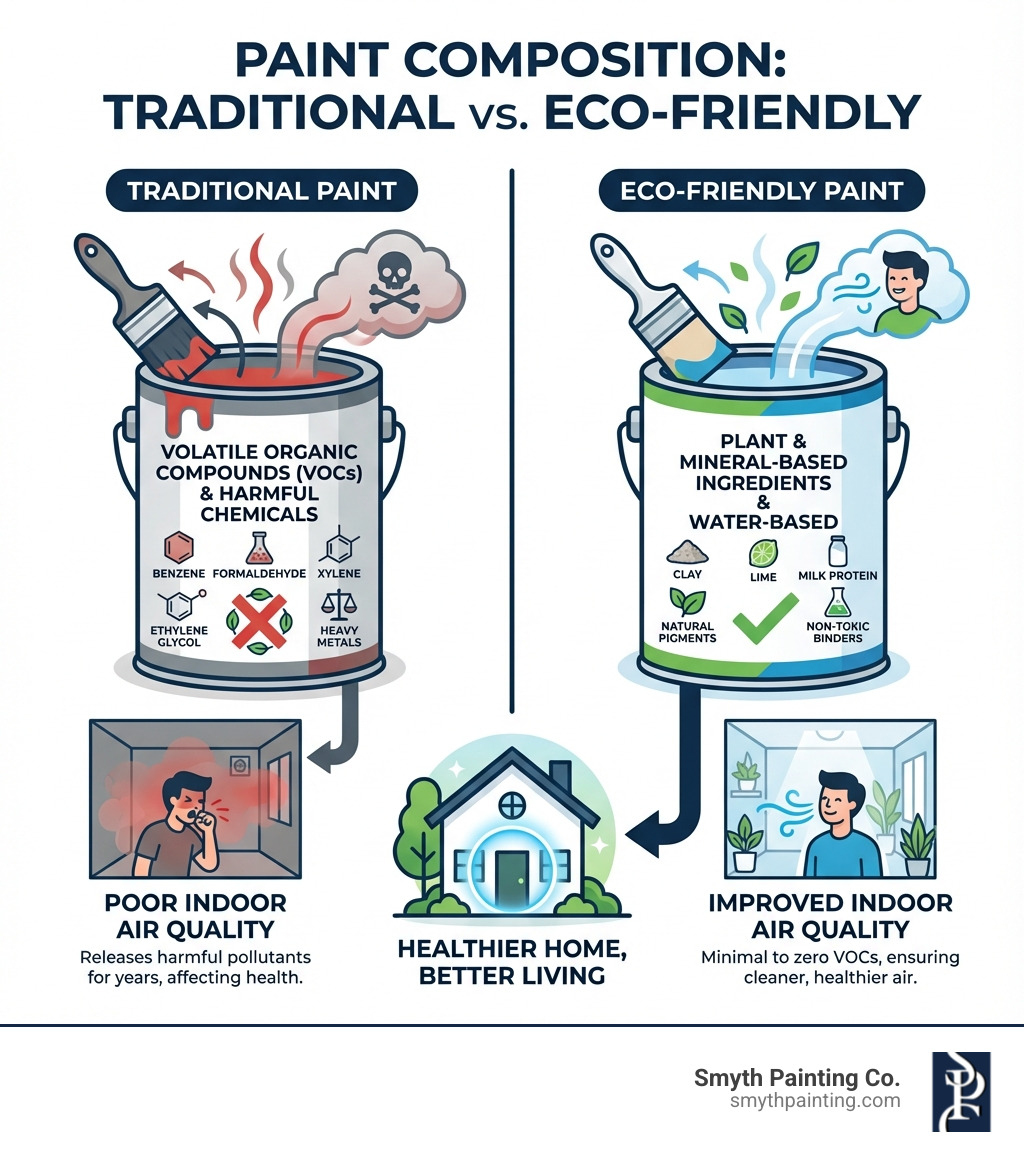
Why Choose Eco-Friendly Paint? The Problem with VOCs
When we talk about eco friendly interior paint, one of the first things that comes to mind are Volatile Organic Compounds, or VOCs. But what exactly are these mysterious substances, and why should we be concerned about them?
VOCs are organic compounds that easily vaporize and enter the air as gases at room temperature. Think of that familiar “new paint smell”—that’s often VOCs off-gassing into your home environment. Paint is a leading culprit of VOCs, with many traditional products containing chemicals like benzene, formaldehyde, xylene, toluene, and ethylene glycol. These aren’t just unpleasant; they pose significant health risks.
The health concerns associated with VOCs run the gamut from short-term irritations to severe long-term conditions. Exposure can lead to allergic reactions, headaches, dizziness, nausea, and visual or respiratory impairment. In more serious cases, long-term exposure to these chemicals has been linked to liver, kidney, and central nervous system disorders, and even cancer. We’ve certainly learned that the quality of our indoor air directly impacts our well-being. The Environmental Protection Agency (EPA) highlights these adverse health effects, making it clear that reducing VOC exposure is crucial for our health.
Beyond our personal health, VOCs also have an environmental impact. Some of these compounds are known to damage the ozone layer, contributing to broader ecological issues. It’s a stark reminder that our choices inside our homes can have ripple effects far beyond our walls.
What’s particularly alarming is the concentration of these chemicals indoors. Statistics show that concentrations of VOCs can be up to 10 times higher indoors than outdoors. The EPA notes that the effects of VOCs are about two to five times higher indoors than outdoors. If you’re undertaking a home project that involves stripping old paint, studies show that VOC levels can skyrocket up to 1,000 times higher! This underscores the importance of choosing safer alternatives, especially in our homes across Rhode Island and SE Mass, where we spend so much of our time.
The good news is that by opting for low-VOC or zero-VOC paints, we can significantly reduce these risks. These paints are formulated to minimize the release of harmful chemicals, leading to improved indoor air quality, fewer strong odors during and after painting, and a healthier living space for our families and even our furry friends. It’s about painting with a conscience, choosing products that are better for both us and the planet.
Decoding the Labels: Types of Eco-Friendly Paints
Navigating eco friendly interior paint can feel like learning a new language, especially when faced with terms like “zero-VOC,” “low-VOC,” and various certifications. But understanding these labels is key to making truly informed choices for your home.
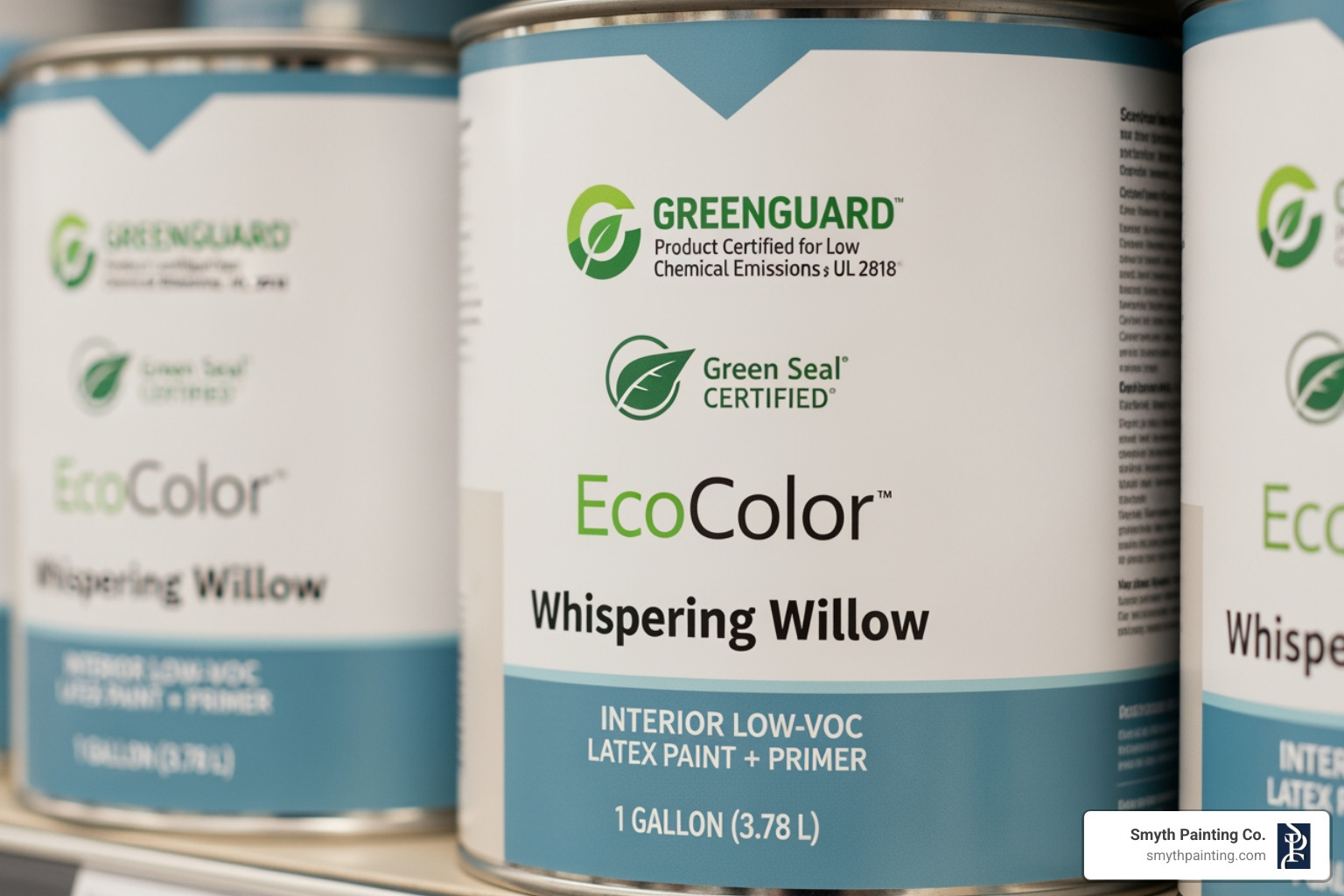
Let’s break down the main categories of eco-friendly paints and what sets them apart:
| Paint Type | Key Features 1. Zero-VOC Paints: These paints are formulated to have VOC content at or near zero in the paint base. However, it’s crucial to remember that some colorants (tints) can introduce VOCs. Look for brands that use zero-VOC colorant systems.
* VOC Levels: Generally contain no more than 5gm/l VOCs.
* Best Uses: Ideal for nurseries, children’s bedrooms, living rooms, and any sensitive environment where air quality is a top priority.
2. Low-VOC Paints: These options have significantly lower VOC levels than traditional paints but aren’t entirely free of them. They are a good step towards healthier indoor air.
* VOC Levels: The EPA limits ‘low-VOC’ latex paints to no more than 250 grams per liter (gm/l). For oil-based paints, the limit is 380 gm/l. Certifications like GREENGUARD and Green Seal often set even stricter limits (e.g., less than 50 gm/l).
* Best Uses: General interior painting where you want a healthier option than conventional paints without compromising on performance.
3. Natural (Mineral or Plant-Based) Paints: These paints often use ingredients derived from nature, such as milk protein, clay, lime, or earth pigments. They tend to have simpler formulas.
* VOC Levels: Many are entirely VOC-free, though some plant-derived ingredients can contain natural VOCs (terpenes).
* Best Uses: Ideal for achieving unique, breathable finishes, historical properties, or for specific aesthetic goals. They are often favored for furniture refinishing.
4. Recycled-Content Paints: These paints are made by reprocessing leftover paint, diverting waste from landfills.
* Best Uses: Excellent for utility areas, basements, or projects where sustainability and waste reduction are primary drivers.
Understanding Certifications
How can you be sure you’re truly choosing an eco friendly interior paint? That’s where independent certifications come in. These labels provide assurance that a product meets specific environmental and health standards.
- Green Seal: Paints that have earned the Green Seal cannot exceed 50 grams of VOC per liter for flat paint and 100 grams per liter for non-flat paints. This certification signifies a commitment to reduced environmental impact.
- GREENGUARD Label: Paints bearing the GREENGUARD label will have less than 50 grams of VOCs per liter. The even stricter GREENGUARD Gold certification ensures products meet rigorous chemical emissions standards, promoting healthier indoor air.
- Asthma & Allergy Friendly®: This certification goes a step further, identifying products scientifically proven to reduce exposure to allergens and irritants, making them ideal for homes with sensitive individuals.
While there are other labels out there, like the GreenWise seal, we often find that independent third-party verification from organizations like Green Seal and GREENGUARD offers the most credible assurance of a paint’s eco-friendly claims.
Types of Eco-Friendly Interior Paint
Let’s dive a little deeper into the types we’ve outlined:
- Zero-VOC paints: These are our go-to for maximum indoor air quality. They are formulated with little to no VOCs in the paint base. However, it’s a common misconception that “zero-VOC” means absolutely no VOCs, as some colorants can introduce them. We always recommend asking for zero-VOC tints to ensure your final mixed paint truly lives up to its name. Brands like Benjamin Moore, for instance, use patented colorant systems (like Gennex®) to keep their tinted paints zero-VOC.
- Low-VOC paints: A significant improvement over traditional paints, low-VOC options contain reduced levels of volatile organic compounds. They still offer a healthier environment compared to conventional paints and are widely available.
- Natural paints (milk, clay, lime): These paints offer a unique aesthetic and are often breathable, which can be beneficial for older homes in our Rhode Island and SE Mass communities. Milk paint, made from organic milk protein, is known for its beautiful, rich colors and often comes in biodegradable formulas. Clay and lime paints also provide distinct, earthy finishes. While many are VOC-free, it’s worth noting that some plant-derived ingredients can contain natural VOCs (terpenes). Also, the sourcing of ingredients like casein (from dairy facilities for milk paint) can have its own environmental considerations.
- Recycled-content paints: A truly sustainable choice, these paints are made by taking leftover paint, processing it, and remixing it into new colors. This helps divert waste from landfills and reduces the demand for virgin materials. They’re a fantastic option for less visible areas or where the primary goal is environmental stewardship.
A Guide to Top Eco-Friendly Interior Paint Options
When it comes to choosing an eco friendly interior paint, we understand you want both performance and peace of mind. Over the years, we’ve worked with many excellent brands that deliver on both fronts. Here’s a look at some of the leading options we trust for our clients in Rhode Island and SE Mass.
The Gold Standard: Zero-VOC Paints
These paints are designed with the highest standards for indoor air quality, making them ideal for sensitive environments. They are largely odorless, creating a much more pleasant painting experience.
- ECOS Paints: We love ECOS Paints because they are entirely free of VOCs and odors, making them a true standout. This USA-made brand is committed to transparency, providing a clear ingredient list. What’s more, ECOS Paint boasts impressive coverage, often covering 560 sq. feet per gallon, which is more than many traditional options. Even their shipping practices are eco-friendly, utilizing 100-percent post-consumer recycled containers and boxes. They offer an extensive palette of over 1300 colors.
- Benjamin Moore’s Eco Spec: A favorite among professionals, Benjamin Moore’s Eco Spec line is a 100% acrylic interior paint that contains zero VOCs and zero emissions. It’s Green Seal certified, and critically, Benjamin Moore’s patented Gennex® colorant system ensures that the paint remains zero-VOC even after tinting. This paint is known for being their lowest odor option, with odors dissipating completely within an hour for flat, eggshell, and semi-gloss sheens. It’s even Asthma & Allergy Friendly® Certified, making it an excellent choice for homes where occupants are sensitive to smells or have allergies. Eco Spec offers excellent hide, great touch-up capabilities, and superior chemical resistance. You can find it in over 3,500 colors.
- Behr Premium Plus: For those seeking a budget-friendly yet highly effective zero-VOC option, Behr Premium Plus is a fantastic choice. This interior paint and primer in one simplifies the painting process, offering amazing hiding and coverage without the need for a separate primer. It’s also stain- and scrub-resistant, making it durable for busy households. Behr Premium Plus is both LEED and GREENGUARD GOLD certified, assuring its low-to-no VOC status and overall environmental quality.
- AFM Safecoat: Dedicated to creating healthy homes, AFM Safecoat provides medically approved building solutions. Their zero-VOC, fast-curing interior paints are not only 100% VOC-free but also completely free of HAPs (Hazardous Air Pollutants). This commitment ensures only the cleanest products are used, making cleanup easy with just soap and water. AFM Safecoat offers over 1000 colors, including biophilic and ayurvedic color lines.
- Clare Paint: This brand offers a curated palette of designer colors, all of which are 100 percent zero-VOC and GREENGUARD Gold Certified. Clare Paint focuses on sustainability throughout its operations, from low-waste production methods to recycled packaging and water conservation systems. They offer over 75 colors and even provide 12×12 inch stickers as samples for easy color testing.
- Sherwin-Williams EcoSelect Zero VOC Interior Latex Paint: Sherwin-Williams offers its own zero-VOC solution with EcoSelect. This product boasts good spatter resistance and is suitable for use on a variety of surfaces including wallboard, primed plaster, wood, and masonry.
The Natural Choice: Plant and Mineral-Based Paints
These paints offer a distinct aesthetic and are often chosen for their unique composition and breathable qualities.
- The Real Milk Paint Co.: Made in small batches, The Real Milk Paint Co. offers zero-VOC milk paint crafted from organic milk protein and earth pigments. This results in beautiful, rich colors and a truly unique finish. Milk paint is biodegradable and provides an authentic, timeless look. They offer over 52 colors, and even provide loose pigments if you’re feeling adventurous and want to blend your own custom shade.
- Unearthed Paints: For those seeking a dairy-free natural option, Unearthed Paints offers zero-VOC milk paint using vegetable-based casein. This provides a similar natural aesthetic and breathable finish without relying on dairy products.
While natural paints offer a wonderful, unique appeal, it’s worth considering their specific characteristics. They might not always match the extreme durability or scrub resistance of some commercial zero-VOC acrylics, making them more suitable for furniture or less high-traffic areas. However, their breathable nature is often a huge plus for older homes, allowing walls to “breathe” and manage moisture naturally.
From Selection to Application: A Practical Guide
Choosing the right eco friendly interior paint is just the first step. For truly stunning and long-lasting results, proper selection of finish and color, along with meticulous application, is essential. We’ve honed these skills over decades, ensuring every project in Rhode Island and SE Mass meets our high standards.
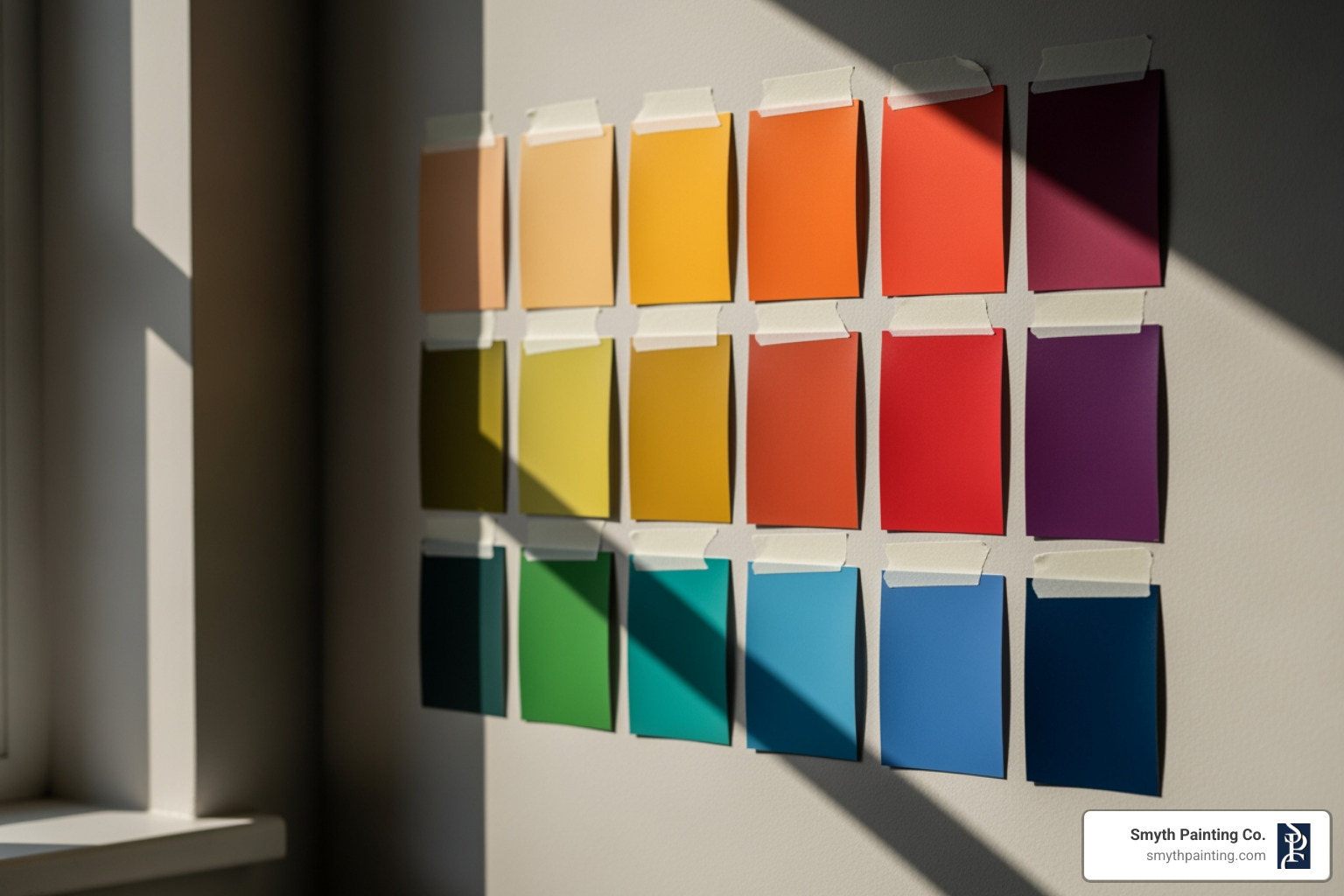
Choosing the Right Finish and Color
The finish you choose can dramatically impact a room’s look, feel, and durability.
- Matching Sheen to Room Function:
- Matte or Flat: Excellent for hiding imperfections and creating a soft, neat look. We often recommend these for ceilings and low-traffic areas like formal dining rooms or bedrooms.
- Eggshell: A versatile choice that balances a subtle sheen with better cleanability than flat. Perfect for living rooms, hallways, and general wall surfaces.
- Satin: With a noticeable sheen, satin finishes offer increased durability and are easier to clean. This makes them ideal for kitchens, bathrooms, and kids’ rooms where moisture and spills are common.
- Semi-Gloss: The most durable and easiest to clean, semi-gloss is best reserved for trim, doors, and Cabinet Refinishing. For a deeper dive into finishes, check out our guide on Paint Finishes: A Simple Guide.
- Durability vs. Aesthetics: Generally, the higher the sheen, the more durable and washable the paint will be. However, higher sheens also tend to highlight surface imperfections. We help our clients find the perfect balance for their specific needs.
- Testing Colors in Your Space: We can’t stress this enough! Paint colors look different under various lighting conditions. Always test large paint samples on multiple walls and observe them at different times of day. Consider how the color interacts with fixed elements like flooring, countertops, and furniture. Many brands offer convenient peel-and-stick samples that make this process easier.
- Best Options for Specific Rooms:
- Bedrooms and Nurseries: Zero-VOC or natural paints are ideal here, prioritizing the purest air quality. A matte or eggshell finish creates a calm, soothing atmosphere.
- Kitchens and Bathrooms: Low- or zero-VOC satin paints are excellent due to their moisture resistance and ease of cleaning.
- Trim and Doors: Durable, low-VOC semi-gloss paint will withstand frequent touching and cleaning.
Tips for Applying Eco-Friendly Interior Paint
Even with the best eco friendly interior paint, proper application is key to achieving a professional, long-lasting result.
- Surface Preparation: This is arguably the most crucial step. Our thorough expert preparation, including cleaning surfaces, sanding glossy areas, and repairing any drywall imperfections, is the secret to professional-grade painting. We ensure surfaces are smooth, clean, and ready for optimal paint adhesion.
- Priming: A quality low- or zero-VOC primer is essential. It improves adhesion, ensures color accuracy, and improves overall durability. Priming patched spots is especially important for uniform absorption and to prevent flashing. For older walls or those with stains, specialty primers can block issues before applying the topcoat.
- Ventilation: Even with low- and zero-VOC paints, maintaining good ventilation during painting and curing is important. Open windows and use fans to circulate fresh air.
- Following Manufacturer’s Instructions: Always adhere to the paint manufacturer’s specific recoat and cure times. Rushing these steps can compromise the paint’s durability and finish. For example, allowing the paint to cure fully before washing walls will prevent damage.
As your trusted painting partner in Rhode Island and SE Mass, we handle all these details, ensuring a flawless application of your chosen eco friendly interior paint.
Frequently Asked Questions about Eco-Friendly Paint
We often get excellent questions from our clients about eco friendly interior paint. Here are some of the most common inquiries we address:
Are natural paints (milk, clay) better than commercial zero-VOC paints?
This isn’t a simple “yes” or “no” answer; it depends on your priorities and the specific project.
- Natural Paints (like milk or clay):
- Pros: They often contain fewer, simpler ingredients, are typically breathable, and can create unique, matte, earthy finishes. For certain historical applications or a distinct aesthetic, they are unparalleled. Milk paint, for instance, is often truly zero-VOC and biodegradable.
- Cons: Durability can sometimes be lower than commercial acrylics, especially in high-traffic areas requiring frequent scrubbing. Some natural paints may still contain plant-derived VOCs (terpenes), and the environmental impact of ingredients like casein (from dairy facilities) can be a consideration. They are often chosen for furniture rehab rather than entire rooms due to cost and application nuances.
- Commercial Zero-VOC Paints:
- Pros: Modern formulations offer excellent durability, scrub resistance, and a vast range of colors and finishes. They are rigorously tested and certified (e.g., GREENGUARD Gold, Green Seal). Brands like Benjamin Moore’s Eco Spec use advanced technology to ensure consistent performance and zero-VOC status even after tinting. They are generally easier to apply and maintain for everyday living spaces.
- Cons: While the base is zero-VOC, you must ensure the colorants are also zero-VOC to maintain that status. The ingredients, while safe, are often more complex chemical formulations than simple natural paints.
In our experience, for general interior walls in homes across Rhode Island and SE Mass, commercial zero-VOC paints often provide the best balance of health benefits, durability, and ease of maintenance. Natural paints are fantastic for specific aesthetic goals or furniture pieces.
How does the cost and performance of eco-friendly paint compare to traditional paint?
Historically, eco friendly interior paint was often more expensive and sometimes perceived to underperform traditional paints. However, that landscape has changed dramatically.
- Cost: While some premium eco-friendly paints might have a higher upfront cost per gallon than the cheapest conventional options, this difference is often offset by several factors.
- Long-term Value: The investment in healthier indoor air quality is invaluable for your family’s well-being, potentially reducing health issues associated with VOC exposure.
- Coverage Rates: Many eco-friendly paints offer excellent coverage. For example, ECOS Paint covers 560 sq. feet per gallon, which is often more than traditional options, meaning you might need fewer gallons for your project.
- Durability and Maintenance: Modern eco-friendly paints are highly durable. Brands like Behr Premium Plus are stain- and scrub-resistant, and Benjamin Moore’s Eco Spec boasts superior chemical resistance, meaning your paint job will last longer and be easier to maintain, reducing the frequency of repainting.
- Performance: Today’s eco-friendly paints often meet or exceed the performance of traditional paints. They offer rich, vibrant colors, excellent hiding capabilities, smooth application, and robust finishes. We’ve seen how these paints deliver beautiful, long-lasting results for our clients.
Considering the health benefits, environmental responsibility, and improved performance, we believe investing in eco friendly interior paint is a worthwhile decision for any homeowner.
How do I ensure my paint is still zero-VOC after tinting?
This is a critical question! Many paints are labeled “zero-VOC” in their white or untinted base. However, the colorants (or tints) used to create your desired shade can introduce VOCs into the final product.
- VOCs in Colorants: Traditional colorant systems often contain VOCs. If these are added to a zero-VOC base, your “zero-VOC” paint is no longer truly zero-VOC.
- Zero-VOC Colorant Systems: The good news is that many leading brands have developed zero-VOC colorant systems. For example, Benjamin Moore’s patented Gennex® Color Technology is designed to maintain the zero-VOC status of their paints even after tinting, ensuring that the final color you choose is as healthy as the base paint.
- Asking Your Paint Supplier: Always ask your paint retailer or professional painter if their colorants are also zero-VOC. This is the surest way to confirm that your tinted paint will maintain its low-emission properties.
- Importance of the Entire Paint System: True eco-friendliness considers the entire paint system—the base paint, the colorants, and even the primers you use. We always recommend using zero-VOC primers alongside your chosen zero-VOC paint and tints for the healthiest outcome.
A Healthier Home is a Brushstroke Away
Choosing eco friendly interior paint is more than just a trend; it’s a commitment to a healthier home and a more sustainable future. By opting for low- or zero-VOC paints, you’re actively improving your indoor air quality, reducing exposure to harmful chemicals, and contributing to environmental well-being. These modern paints offer exceptional performance, durability, and a vast array of colors, proving that you don’t have to sacrifice beauty for health.
The benefits are clear: healthier indoor air for your family, less impact on our planet, and a long-term investment in your home’s value and comfort. For a professional, stress-free painting experience using high-quality, eco-friendly options, trust the experts at Smyth Painting Co. We pride ourselves on detailed, professional work with excellent communication, ensuring a smooth process from start to finish for our clients in Rhode Island and SE Mass. Whether it’s a fresh coat for your living room or a complete Residential Painting Services project, we’re here to help you paint with a conscience.
Ready to transform your home with eco friendly interior paint? Explore our Interior Painting Services and let’s discuss how we can bring your vision to life, healthily and beautifully. You can also find more helpful tips and insights on our Blog.


