

Why Home Designing Paint Is Your Most Powerful Change Tool
Home designing paint is the most cost-effective way to transform your living space, but it’s often an overwhelming decision. Here’s what you need to know.
Essential Home Designing Paint Tools:
- Virtual Color Visualizers – Test colors digitally before buying.
- Paint Sample Kits – Apply real swatches to see colors in your actual lighting.
- Color Psychology Guides – Match colors to room function and desired mood.
- Paint Sheen Selectors – Choose the right finish for durability and aesthetics.
- Coverage Calculators – Determine exact paint quantities to avoid waste.
The global paints and coatings market reached $164.8 billion in 2023, with interior paint driving growth as more homeowners tackle DIY projects. The challenge? Thousands of color options and confusing terms can feel paralyzing.
The right color doesn’t just cover your walls—it transforms how you feel in a space. Warm colors energize kitchens, cool blues create restful bedrooms, and light neutrals make small spaces feel larger. Understanding color psychology helps you create atmosphere and functionality in every room.
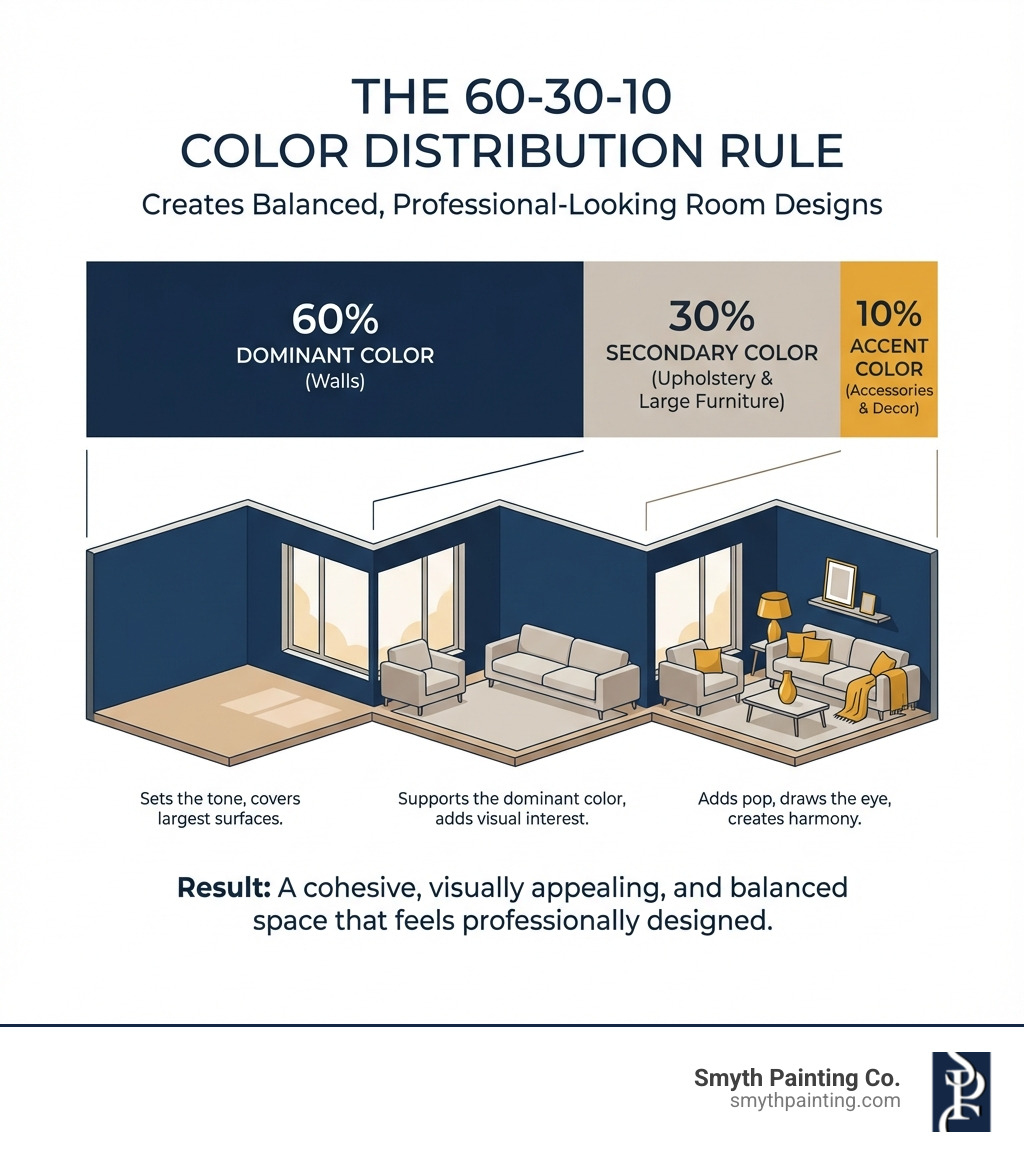
Technology has revolutionized the selection process. Virtual room painters let you test combinations without a brush, while paint samples show how colors change with light. Strategic techniques—like the 60-30-10 color distribution rule—ensure professional results.
Yet many homeowners still make costly mistakes: rushing decisions, skipping primer, or ignoring how light affects color. The key is having the right tools and knowing how to use them.
I’m Douglas Smyth, founder of Smyth Painting Company. Since 2005, I’ve guided hundreds of Rhode Island homeowners through successful home designing paint projects. In this guide, I’ll share essential tools and expert knowledge to help you choose colors confidently and avoid common pitfalls.
The Digital Advantage: How Technology Simplifies Paint Selection
Choosing a paint color no longer requires endless trips to the paint store for tiny color chips. Today, home designing paint has entered the digital age, offering immense benefits to homeowners.

Virtual color visualizer tools allow you to experiment with countless colors and palettes from home. You can see how a specific shade will look on your living room walls or test exterior paint colors on a photo of your house before committing to a purchase.
The primary benefit is safe, risk-free experimentation. Upload your own photos for a realistic preview of interior and exterior colors. Many tools feature ‘edge-detect’ functionality to automatically map out walls, making the process quick and seamless. You can also save painted room images, track projects, and record exact colors, saving time and money.
This digital advantage helps avoid costly mistakes by narrowing down choices before buying sample cans. At Smyth Painting Co., we encourage our clients across Rhode Island and SE Mass to use these tools. We can guide you through the process, helping interpret the virtual results and offering expert advice to ensure you select colors with absolute confidence.
The Science of Color: How Light and Psychology Influence Your Walls
Choosing the right home designing paint color is a science. It’s about understanding how color interacts with your space, lighting, and mood.
Understanding Color Psychology
Color psychology explains how hues impact our emotions, helping create spaces with specific moods.
- Warm Colors: Reds, oranges, and yellows feel welcoming and energizing. They are great for social areas like kitchens and dining rooms in homes from Narragansett to Newport.
- Cool Colors: Blues, greens, and purples feel open and relaxing. They are excellent for private settings like bedrooms and bathrooms, creating a calming atmosphere.
- Neutral Colors: Grays, beiges, and whites offer versatility. They serve as excellent backdrops that allow other design elements to shine.
By understanding these effects, we can use color to set the perfect mood for each room.
The Critical Role of Lighting
Lighting can completely change how a paint color looks on your wall. Mastering its effects is crucial for home designing paint.
- Natural Light: A room’s direction impacts its light. North-facing rooms get cooler light, muting colors. South-facing rooms get warmer light, intensifying them.
- Artificial Light: Light bulbs have different color temperatures. Incandescent bulbs bring out warm undertones, while cool LEDs can make colors appear bluer.
- Testing Swatches: Always test paint swatches in your space. Paint a large swatch (at least 4×4 feet) and observe it at different times of day and night, under both natural and artificial light, to see how the color truly looks.
- Using Lighting to Your Advantage: Use lighter colors to brighten rooms with limited natural light. In rooms with abundant light, you can experiment with both light and dark shades. This is a critical step we emphasize for homes in Middletown and Portsmouth.
Not Just White: A Guide to White Paints
White paint is complex, with a spectrum of undertones that change a room’s feel. Understanding them is key to successful home designing paint.
- ‘Clean’ Whites: These have no obvious undertones, offering a crisp, pure look for contemporary spaces.
- Cool Whites: With green, blue, or gray undertones, they make a space feel larger and modern. They are ideal for balancing rooms with warm natural light.
- Warm Whites: With yellow, pink, or brown undertones, they create a cozy, inviting atmosphere. They work well in rooms with little natural light.
- White for Trim and Ceilings: White trim offers a classic contrast against colored walls and unifies open floor plans. White ceilings reflect light, making rooms feel more spacious and ceilings appear higher.
Strategic Color Application: Advanced Techniques for a Designer Look
How you apply paint can dramatically influence a space. These strategic home designing paint techniques can lift your home’s aesthetic.
Creating Space and Highlighting Features
Smart color choices can alter the perception of a room’s size, a common concern in the charming older homes of Little Compton and Exeter.
- To Make Small Rooms Feel Larger: Use light colors like crisp whites, soft pastels, and light neutrals. They reflect light, creating an airy, open feeling. Painting the ceiling a lighter shade than the walls also gives the illusion of height.
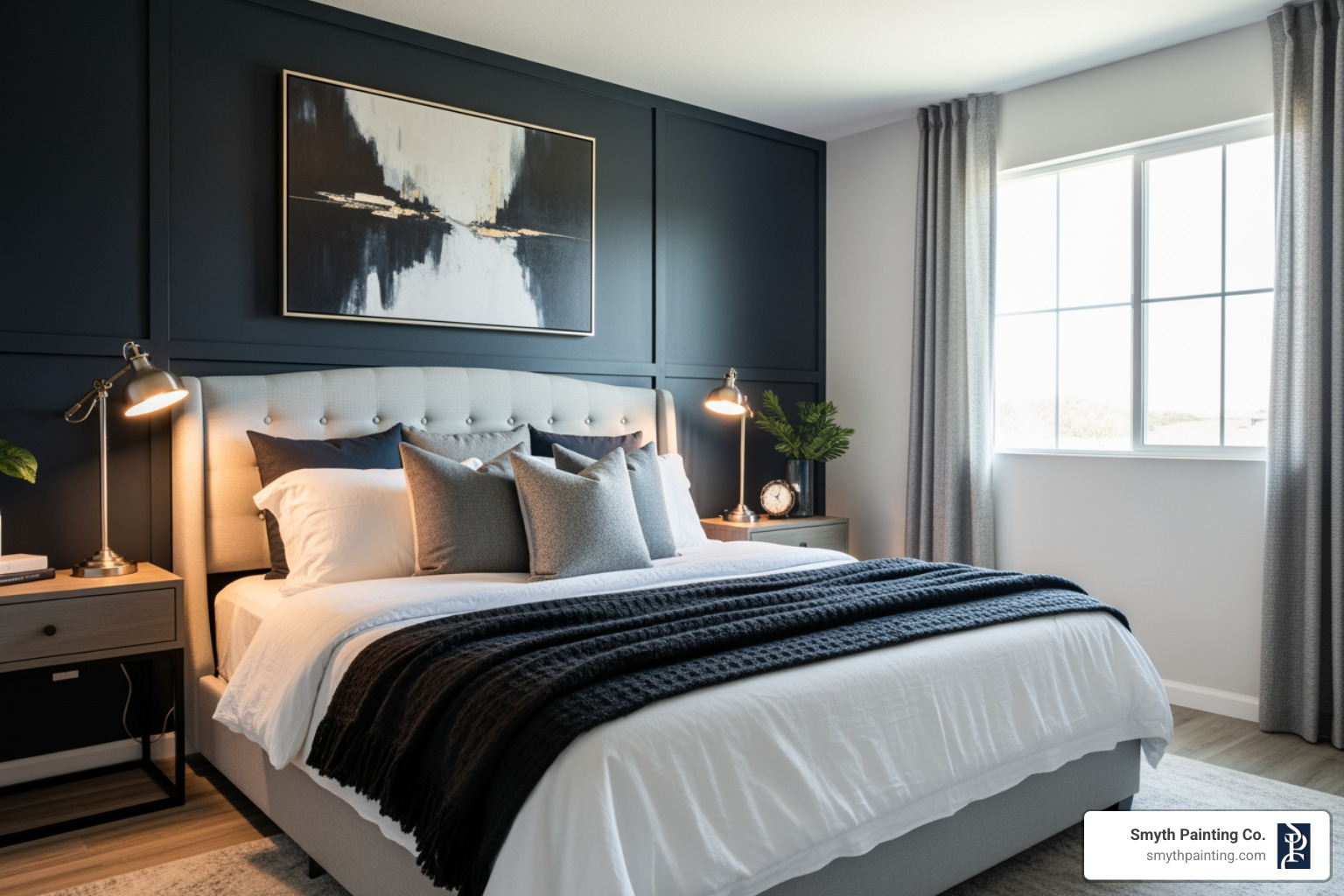
- To Make Large Rooms Feel Cozier: Use darker colors like hunter green or navy blue to make surfaces feel closer, creating a more intimate atmosphere. Balance dark colors in smaller spaces with light furnishings and ample lighting.
Paint is also a fantastic tool for highlighting the beautiful architectural details found in many Rhode Island homes.
- To draw attention to moldings, mantels, or built-ins, paint them one step lighter or darker than the wall color for subtle depth. For a more dramatic effect, use a contrasting color. Our team in Newport, RI, often uses this approach to make historic details pop.
Strategies for Open Floor Plans and Bold Choices
Open floor plans, popular in areas like South Kingstown, present unique home designing paint opportunities.
- Color Zoning: Use paint to subtly define different functional areas. A slightly different shade can delineate a dining area from a living room without physical walls.
- Maintaining Flow: Choose colors with similar undertones throughout the open plan. A consistent trim color, typically white or neutral, ties the zones together for a polished look.
To add visual interest, consider these bold techniques:
- Accent Walls: A wall painted in a contrasting color creates a focal point, perfect for highlighting a headboard or a cozy reading nook.
- Two-Tone Walls: Painting the bottom and top portions of a wall in different colors can add a unique dynamic or mimic architectural features like wainscoting.
- Painting the Ceiling (The “Fifth Wall”): The ceiling is a great opportunity. A dark color can make a high ceiling feel cozier, while a pale blue can create a soothing effect. We’ve helped clients in historic Newport homes use bold ceiling colors to create warm, inviting spaces.
From Swatch to Wall: The Practical Guide to Your Home Designing Paint Project
Once you have your home designing paint inspiration, it’s time for the practical steps that ensure a beautiful result.
The Importance of Samples and Primers for Home Designing Paint
An informed color decision starts long before the first coat. Using paint samples is crucial to see how a color truly appears in your space under different lighting conditions. We recommend painting a large swatch (at least 4×4 feet) or painting a poster board that you can move around the room. This helps avoid rushing, a common mistake.
Primer is a non-negotiable step for a professional finish. It ensures the true color comes through, improves adhesion, and creates an even finish, especially over old colors. While “paint-and-primer in one” products offer better hide, a separate primer is often best for significant changes.
Common DIY mistakes include rushing, skipping samples and primer, and ignoring existing decor or lighting. At Smyth Painting Co., we handle proper surface preparation and primer application, helping clients from Newport to Jamestown avoid costly do-overs.
Decoding Paint Sheens for Every Surface
Paint sheen is as important as color, affecting durability, washability, and appearance.
- Flat: Non-reflective, best for hiding imperfections on low-traffic walls and ceilings.
- Matte: Low-luster with more durability than flat. Good for low-traffic areas.
- Eggshell Enamel: Soft, velvety look. A popular choice for moderate-traffic areas like living rooms.
- Satin Enamel: Pearl-like, durable, and easy to clean. Versatile for most interior surfaces.
- Semi-Gloss Enamel: Sleek and radiant. Ideal for cabinets, trim, and high-moisture areas like kitchens and bathrooms.
- Hi-Gloss Enamel: Most brilliant and durable. Best for high-use surfaces or to highlight features.
Our Smyth Painting Co. guide to paint finishes helps you select the ideal sheen for your Rhode Island home, balancing aesthetics with practicality.
Calculating Needs and Avoiding Common Home Designing Paint Mistakes
Accurate planning is key. One gallon of paint typically covers 250-400 square feet. Use online paint calculators to estimate your needs, and always factor in at least two coats for a color change. For larger projects, a 5-gallon bucket is often more cost-effective.
Avoid common mistakes like ignoring existing finishes (flooring, countertops) and choosing colors in isolation without considering room-to-room flow. At Smyth Painting Co., we handle these details for our clients in Bristol and Warren, ensuring a seamless experience.
Creating Your Home’s Signature Palette
Crafting a cohesive palette is where your personal style shines. Our goal with home designing paint is to help you create a signature look that flows beautifully from room to room.
Finding Inspiration and Building a Cohesive Scheme
Inspiration is often already around you. Look at a favorite rug, piece of art, or fabric to find a palette you naturally love. You can also use online tools to generate palettes from images.
To create balance, use the 60-30-10 rule: 60% dominant color (walls), 30% secondary color (furniture), and 10% accent color (decor).
For a cohesive home, create flow by choosing a shade two steps lighter or darker from the same color strip for an adjacent room. A consistent neutral trim color also unifies the entire house.
Room-by-Room Color Ideas
While personal preference is key, some colors work well in specific rooms:
- Bedrooms: Calming blues, greens, and lavenders promote rest.
- Kitchens: Welcoming yellows, soft greens, and clean whites are popular. Accents of red can stimulate appetite.
- Living Rooms: Versatile greiges and warm neutrals create a comfortable atmosphere.
- Bathrooms: Spa-like blues and crisp whites feel clean and serene.
- Home Offices: Blues can aid concentration, while a touch of yellow can stimulate the mind.
A Note on Exterior Paint Choices
Choosing exterior home designing paint is a significant decision in Southern New England, impacting curb appeal and home value.
Key considerations include:
- Durability: In coastal Rhode Island, paint must resist salt air, humidity, and harsh weather. Look for products with all-climate protection and mildew resistance.
- Architectural Style: Colors should complement your home’s style, from a historic Colonial in Newport to a modern home in Narragansett.
- Neighborhood Context: Consider how your colors harmonize with surrounding homes.
Smyth Painting Co. has extensive expertise in exterior painting services in Rhode Island and SE Mass. We help you select products that ensure long-lasting beauty and protection for your home.
Conclusion: Bringing Your Vision to Life with Confidence
Starting on a home designing paint project is an exciting journey. By visualizing choices, understanding color theory, testing samples, and planning strategically, you can transform your home. A well-chosen color goes beyond aesthetics—it improves your home’s beauty and reflects your personality.
While these tools and knowledge empower you, expert help is invaluable for a flawless, professional finish. At Smyth Painting Co., we provide high-quality, detailed work with excellent communication, ensuring a stress-free experience for homeowners from Aquidneck Island to Southern New England.
We guide you through every step, from selecting perfect hues to meticulous application.
Get a professional consultation for your interior painting project with Smyth Painting Co. today, and let us help you transform your home with confidence.


