
Why Lead-Safe Painting Practices Matter for Your Home
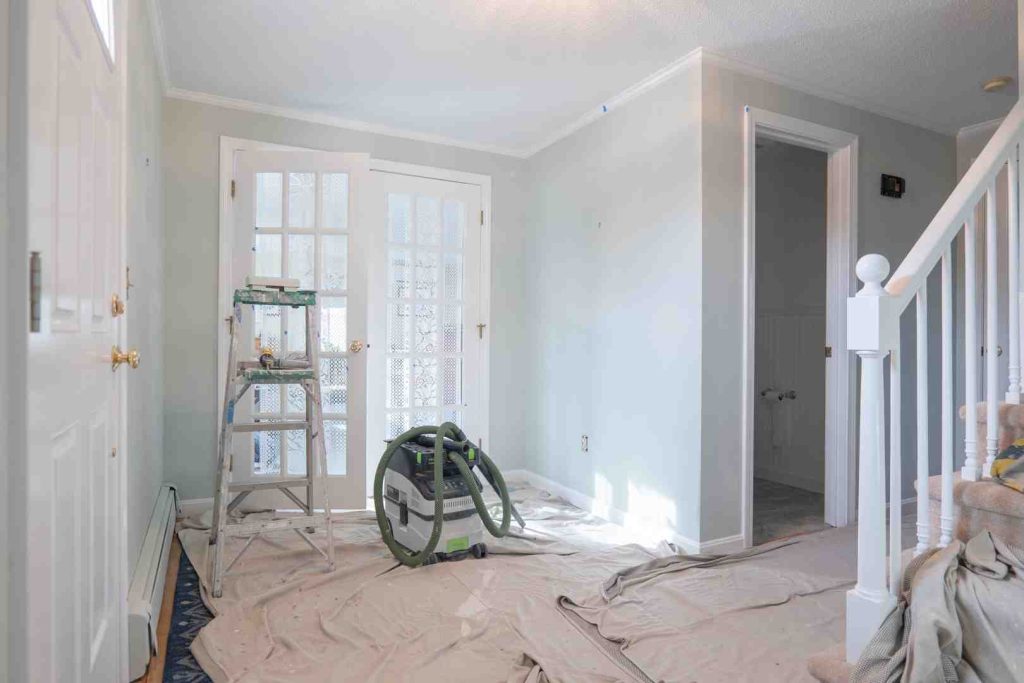
Lead-safe painting practices are essential techniques that protect you, your family, and workers from dangerous lead dust when renovating, repairing, or painting homes built before 1978. Here’s what you need to know:
Key Lead-Safe Practices:
- Contain the work area with plastic sheeting extending at least 6 feet indoors (10 feet outdoors)
- Use wet methods for scraping and sanding to minimize dust
- Wear proper protective equipment including N-100 respirators and disposable coveralls
- Clean thoroughly with HEPA vacuums and wet mopping
- Never dry-sand, burn, or use high-heat methods on lead paint
- Hire EPA-certified contractors for work in pre-1978 homes
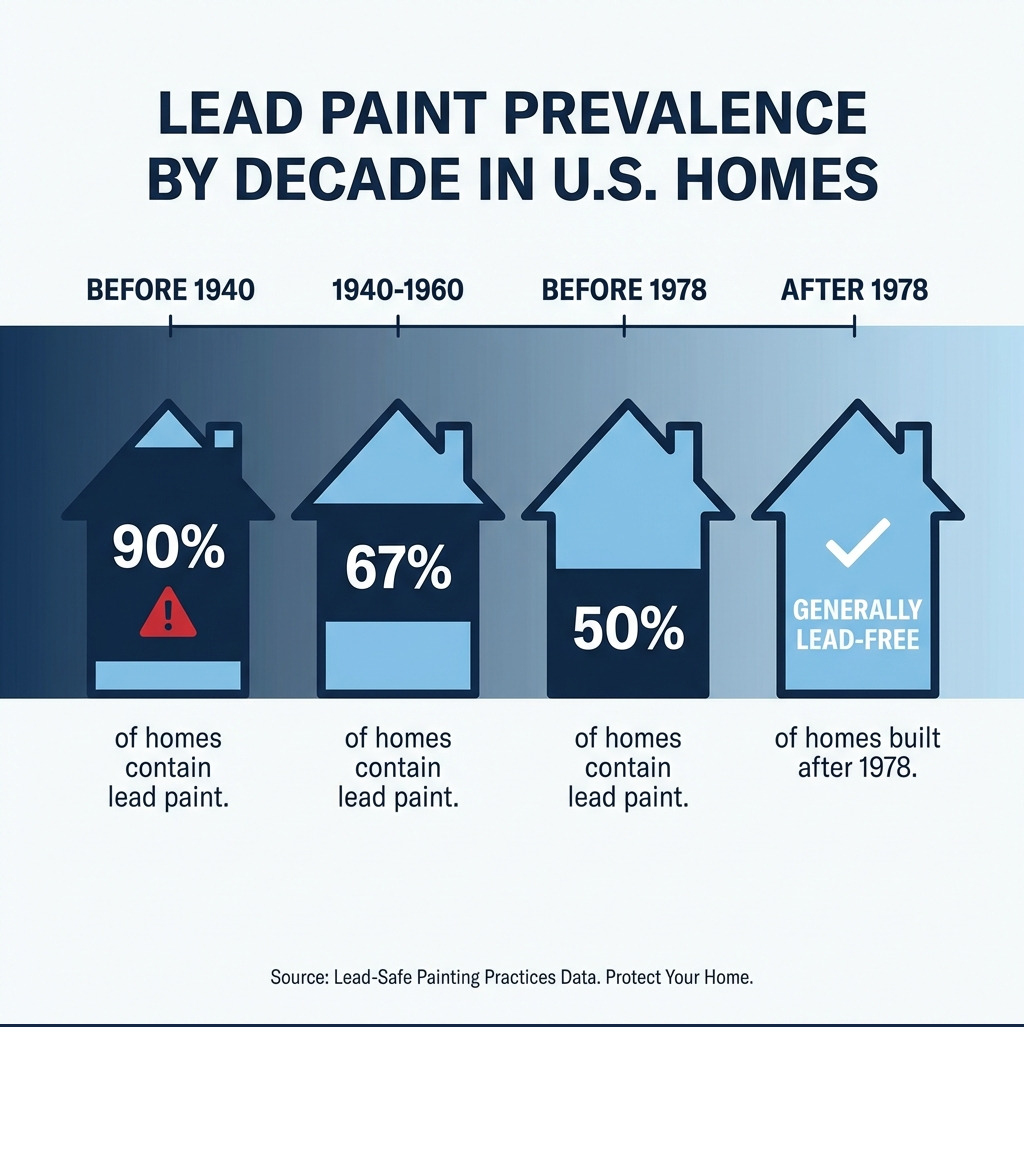
If you’re renovating an older home in Rhode Island or Southeastern Massachusetts, understanding lead safety isn’t optional—it’s the law. The stakes are high. About half of homes built before 1978 contain lead-based paint, and that number jumps to nine out of ten for homes built before 1940. When disturbed during renovation, this paint creates invisible dust that can cause permanent brain damage in children.
The reality hit close to home for one Vermont family whose renovation project left lead dust in their nursery, nearly poisoning their newborn. Stories like this underscore why the EPA now requires all contractors working on pre-1978 homes to be certified in lead-safe practices.
The danger isn’t just paint chips—it’s the fine dust created during scraping, sanding, or demolition. This dust settles on floors, windowsills, and surfaces where young children play. Even small amounts can harm developing brains. There is no known safe level of lead exposure for children.
Rhode Island’s historic homes are particularly vulnerable. Many beautiful properties in Newport County and surrounding areas date back to the 1800s and early 1900s, making lead paint nearly certain. But with proper practices, these homes can be safely restored and maintained.
As Douglas Smyth, founder of Smyth Painting Company serving Newport County since 2005, I’ve guided countless homeowners through safe renovations of historic properties where lead-safe painting practices are critical to protecting families while preserving architectural character. My experience with older homes has taught me that doing this work right requires specialized knowledge, proper equipment, and unwavering attention to safety protocols.
Understanding the Risks and Regulations
When we talk about painting an older home, we aren’t just talking about choosing the perfect shade of “Newport Blue.” We are navigating a complex landscape of federal and state regulations designed to keep our community safe. The primary regulation governing this work is the Lead Renovation, Repair and Painting (RRP) Rule.
This rule applies to anyone performing renovations for compensation in “target housing”—which basically means most residential dwellings built before 1978—and child-occupied facilities like preschools and daycares. If a project disturbs more than 6 square feet of interior paint or 20 square feet of exterior paint, the law mandates specific lead-safe painting practices.
In addition to the EPA’s rules, the U.S. Department of Housing and Urban Development (HUD) has its own set of requirements for housing that receives federal assistance. While the RRP rule focuses on minimizing dust during the job, HUD often requires even stricter “clearance testing” at the end to prove the home is safe for reoccupancy. If you are curious about how this applies to your specific project, check out our guide on Repainting My Old Home: What I Need to Know About Lead Paint.
Health Impacts of Lead Exposure
Why all the fuss over a little dust? Because lead is a powerful neurotoxin. When we scrape or sand old paint, we create microscopic particles that are easily inhaled or ingested. Once lead enters the body, it doesn’t just leave; it settles into the blood, soft tissues, and bones.
For children, the risks are particularly devastating. Because their brains and nervous systems are still developing, lead exposure can cause permanent loss of IQ, learning disabilities, and behavioral problems. In adults, lead poisoning can lead to high blood pressure, kidney damage, and reproductive issues. Pregnant women must be especially careful, as lead can cross the placental barrier, affecting the developing fetus.

Identifying Lead-Safe Painting Practices in Older Homes
The first step in any project is determining if lead is present. If your home was built before 1978, we generally assume it has lead unless proven otherwise. However, the probability shifts dramatically based on the age of the structure:
- Pre-1940: 87% to 90% chance of lead paint.
- 1940–1960: 69% chance of lead paint.
- 1960–1978: 24% chance of lead paint.
To get a definitive answer, we use several methods. XRF (X-ray fluorescence) testing is the gold standard; it’s a non-destructive way to see through layers of paint. We can also send paint chips to a certified lab for analysis. For contractors, the EPA recognizes specific spot-test kits that provide immediate results. Following the Steps to Lead Safe Renovation, Repair and Painting starts with this crucial identification phase.
Essential Lead-Safe Painting Practices
Once lead is confirmed, the “business as usual” approach to painting goes out the window. We shift into a containment mindset. The goal of lead-safe painting practices is simple: keep the dust in the work area and off your family.
For Interior Painting Services, this means:
- Clearing the Room: All furniture, rugs, and curtains should be removed. Anything that can’t be moved must be covered with 6-mil plastic sheeting and sealed with duct tape.
- Sealing Vents: HVAC ducts must be closed and taped over to prevent dust from traveling through your Newport or Portsmouth home’s ventilation system.
- The 6-Foot Rule: Plastic sheeting must cover the floor and extend at least 6 feet in all directions from the area being worked on.
- Vertical Barriers: We often use plastic “walls” with zippered entries to isolate the room entirely.
For exterior work, the “10-foot rule” applies, where plastic sheeting must extend 10 feet from the wall to catch any falling debris or dust. We also close all windows and doors within 20 feet of the work area to ensure no dust drifts back inside.
Prohibited Work Practices to Avoid
There are certain old-school painting methods that are strictly prohibited because they create massive amounts of lead vapor or dust. If you see a contractor doing any of the following, stop them immediately:
- Open-flame burning or torching: This creates highly toxic lead fumes that are almost impossible to contain.
- High-temperature heat guns: Any heat gun operating above 1,100°F is a major hazard.
- Power sanding/grinding without HEPA: Using a power tool that isn’t attached to a High-Efficiency Particulate Air (HEPA) vacuum is illegal under RRP rules.
| Work Method | Is it Lead-Safe? | Why? |
|---|---|---|
| Dry Sanding | No | Creates clouds of invisible, toxic dust. |
| Wet Scraping | Yes | Misting the surface with water keeps dust heavy and on the floor. |
| Open Flame | No | Vaporizes lead into a gas that you can’t clean up. |
| HEPA Sanding | Yes | Vacuums 99.97% of particles at the source. |
Implementing Lead-Safe Painting Practices During Cleanup
The job isn’t done when the last coat of paint is dry. In fact, the cleanup is often the most critical part of the process. We don’t use standard shop-vacs; they actually exhaust fine lead dust back into the air. Instead, we use certified HEPA vacuums that trap particles as small as 0.3 microns.
After vacuuming, we perform a “wet-mist” cleanup. This involves mopping the area with a specialized lead-cleaning solution or a high-phosphate detergent. We use a two-bucket system—one for the cleaning solution and one for rinsing—to ensure we aren’t just spreading lead-tainted water around.
Once the area is visually clean, we perform a “Cleaning Verification.” We wipe the surfaces with a white wet-cleaning cloth and compare it to an EPA verification card. If the cloth is dirtier than the card, we clean again. All waste, from the plastic sheeting to the disposable coveralls, is double-bagged in heavy-duty trash bags and sealed. This meticulous attention to detail is what defines our Exterior Painting Services in historic coastal towns like Bristol and Tiverton.
Certification and Compliance Requirements
In the eyes of the law, a “handyman” isn’t qualified to handle lead paint unless they are an EPA-certified firm. To become certified, a firm must apply to the EPA and ensure their employees are trained by an accredited provider.
Every job must have at least one “Certified Renovator” assigned to it. This person is responsible for training the rest of the crew and ensuring all lead-safe painting practices are followed. They are also required to provide you with the “Renovate Right” pamphlet before the job starts. This isn’t just a suggestion; it’s a legal requirement.
Recordkeeping is another huge part of compliance. We must keep records of the project for three years, including:
- Documentation that the “Renovate Right” pamphlet was delivered.
- Lead testing results.
- Proof that the work area was contained and cleaned properly.
- The cleaning verification results.
When you hire us for Residential Painting Services, you aren’t just getting a beautiful home; you’re getting the peace of mind that comes with full legal and safety compliance.
Working in HUD-Assisted Housing
If your home in South Kingstown or Narragansett receives federal assistance, we follow HUD’s requirements, which go a step further than the EPA. HUD requires a “clearance examination” performed by an independent third party, such as a Lead Risk Assessor.
These professionals take dust-wipe samples from the floors and windowsills and send them to a lab. The results must fall below strict federal limits:
- Floors: Less than 10 micrograms per square foot (µg/sq ft).
- Windowsills: Less than 100 µg/sq ft.
If the lab results are too high, the area must be recleaned and retested. It’s a rigorous process, but it ensures that the most vulnerable members of our community are protected. You can review a comparison between HUD’s Lead Safe Housing and the RRP Rule to understand these nuances better.
Frequently Asked Questions about Lead Safety
How do I know if my home has lead-based paint?
If your home was built before 1978, there is a strong possibility. The most reliable way to know is through professional testing. We recommend hiring a certified lead inspector who uses an XRF analyzer. These devices can “see” lead through twenty layers of paint without needing to scrape anything off. You can also look for visual clues: lead paint often fails in a unique way called “alligatoring,” where the paint cracks into a pattern that looks like reptile scales.
Can I do lead-safe painting myself?
The EPA RRP rule applies to contractors working for compensation, so technically, homeowners can do their own work. However, we strongly advise against it unless you are willing to invest in the proper equipment. A standard vacuum and a pair of jeans aren’t enough. You need a HEPA vacuum, N-100 respirators, and a deep understanding of containment. If you have young children or a pregnant family member in the house, the risk of a DIY mistake is simply too high. If you do choose to go it alone, follow the EPA’s Lead-safe Advice for Do-It-Yourselfers (EPA) meticulously.
What is the difference between lead abatement and lead-safe renovation?
This is a common point of confusion!
- Lead-Safe Renovation (RRP): This is about safely disturbing paint during a project. It’s an “interim control.” The goal is to make sure the work doesn’t create a hazard while you are updating your home.
- Lead Abatement: This is a specialized set of procedures intended to permanently eliminate lead hazards. This might involve removing the lead-painted components entirely (like replacing all the windows) or encasing the lead paint in a permanent barrier. Abatement is usually ordered by a state agency after a child has been poisoned.
Conclusion
Restoring a historic home in Rhode Island or Southeastern Massachusetts is a labor of love. Whether you’re in a Victorian in Newport or a farmhouse in Little Compton, these buildings are part of our shared heritage. At Smyth Painting Co., we believe that preserving that history shouldn’t come at the cost of your family’s health.
By following rigorous lead-safe painting practices, we bridge the gap between old-world charm and modern safety standards. We take the stress out of the process by handling the containment, the specialized cleaning, and the complex recordkeeping. Our team is fully EPA-certified and experienced in the unique challenges of Southern New England’s architecture.
If you’re planning a project in Middletown, Jamestown, or anywhere in our service area, don’t leave safety to chance. We offer high-quality, detailed work with excellent communication and eco-friendly options. Ready to start your stress-free restoration? Visit our Residential Painting Services page to learn how we can help you protect your home and your loved ones. Let’s keep Rhode Island beautiful—and lead-safe.


